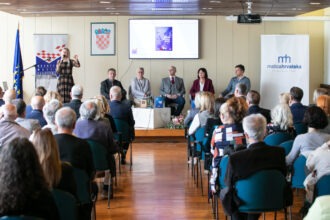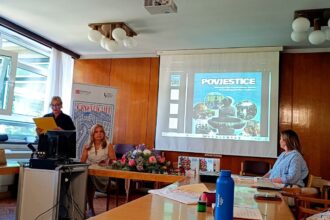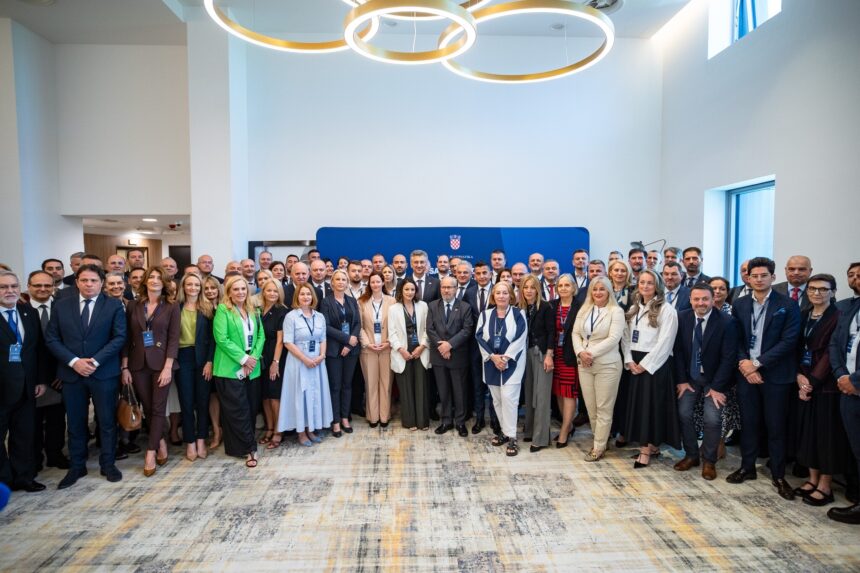
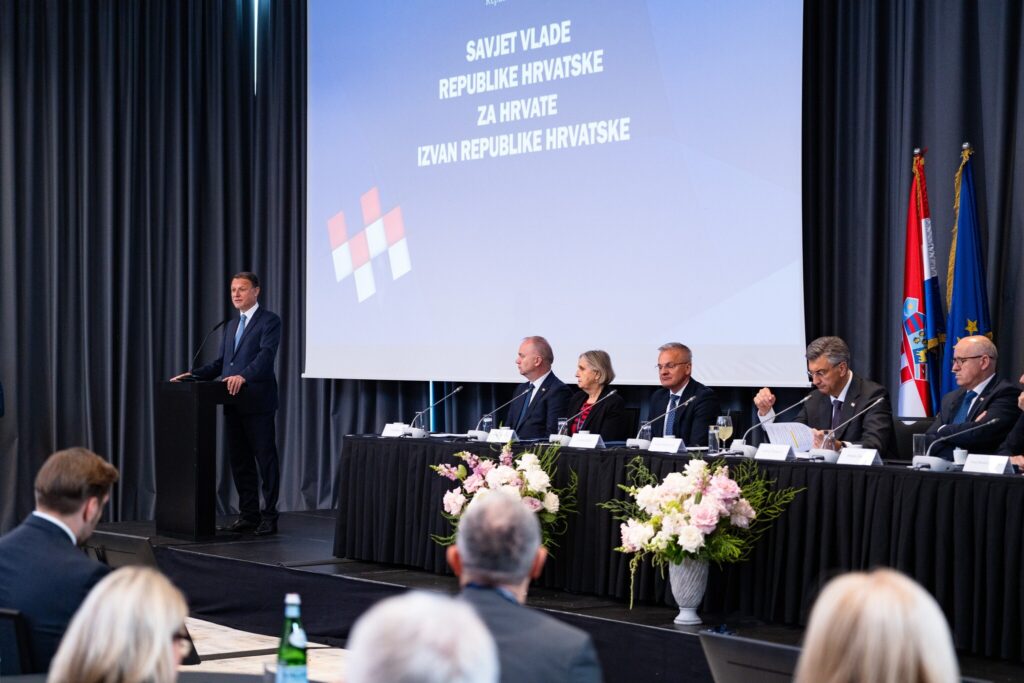
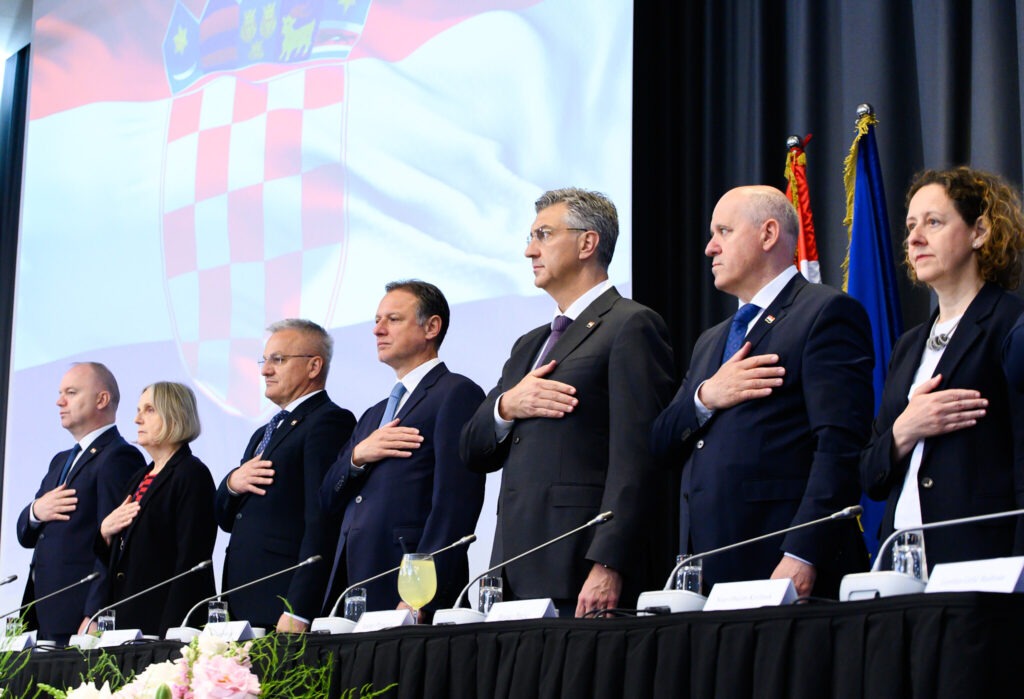
The constitutive session of the fourth convocation of the Council of the Government of the Republic of Croatia for Croats Abroad gathered representatives of Croatian communities from all over the world in Zagreb on May 29 and 30, 2026. During the two-day program, the importance of preserving Croatian identity, strengthening ties with the homeland and continuing to support Croats outside the Republic of Croatia was emphasized.
During the celebration of the Week of Croats Abroad, the first session of the fourth convocation of the Government Council for Croats Abroad was held, which discussed the further creation and implementation of policies, activities and programs aimed at Croats abroad. In addition to ministers and state secretaries, the first part of the session was attended by Prime Minister Andrej Plenković.
“The sessions of the Council are an opportunity, on this occasion, in the special atmosphere of the first Week of Croats Abroad, which is being held by the decision of the Croatian Parliament, to affirm the identity, culture and tradition of our Croats living outside the homeland, to strengthen the key message of unity and to enable Croats who are fourth, fifth and some of the sixth generation, to become acquainted with modern Croatia, to learn the Croatian language and to provide incentives for those who want to return to the homeland,” said Plenković. He emphasized that, over ten years, the Government of the Republic of Croatia increased the total annual allocation for Croats abroad from 16 million euros to 203 million euros, sending a clear message about the importance of care for Croats outside the homeland.
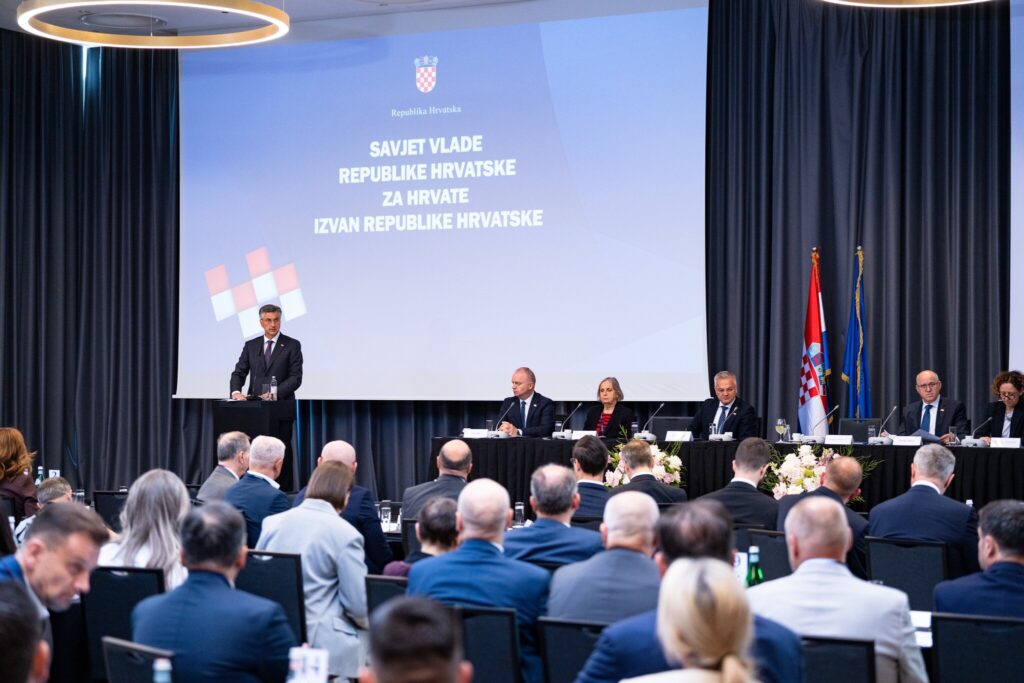
During the session, topics important for Croats abroad were discussed, with an emphasis on preserving Croatian identity, strengthening cooperation with Croatia, and the possibility of return, immigration and inclusion of our fellow Croats in the social and economic life of Croatia.
“The results of the work of the previous three convocations of the Council clearly show that it is not merely a formality. The presence of Prime Minister Andrej Plenković, ministers and representatives of Parliament confirms how much Croatia appreciates the contribution of the Croatian people around the world in creating an independent Croatia, but also in preserving all the values important to our nation,” said State Secretary of the Central State Office for Croats Abroad Zvonko Milas. He emphasized that Croatia is supporting 41 projects of strategic importance to Croats abroad – 18 in Bosnia and Herzegovina, 16 for the Croatian minority, and 7 for the Croatian diaspora. He highlighted the importance of granting up to 10,000 scholarships to young Croats abroad, the Croatian Citizenship Act, which is strongly directed towards the Croatian diaspora, and a special enrollment quota for students from the diaspora and minority outside the Republic of Croatia.
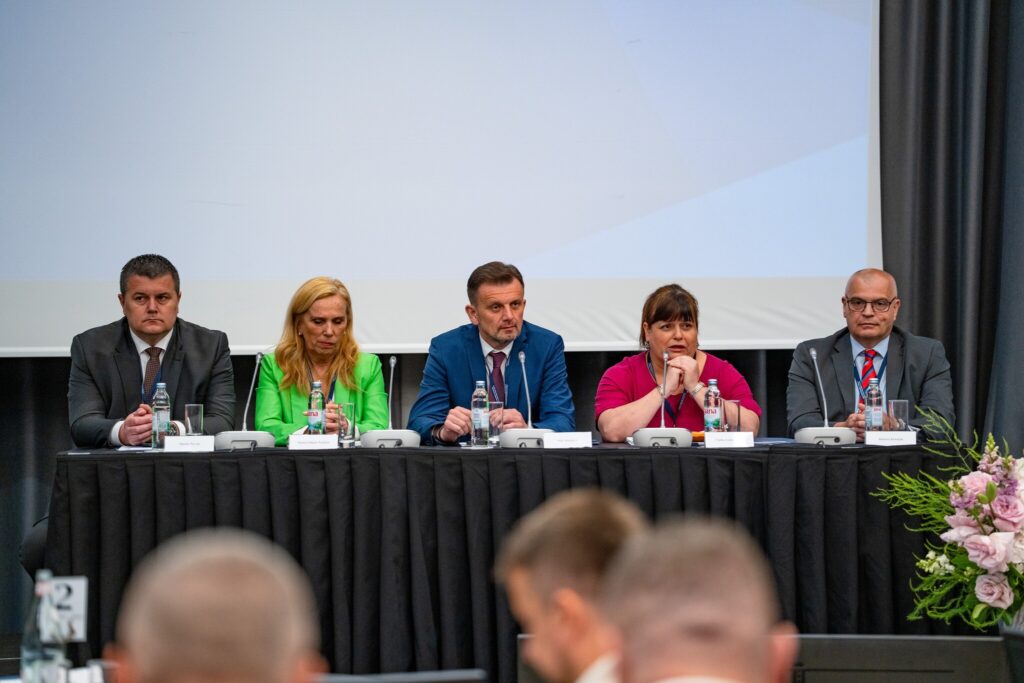
Mile Baričević from Germany was elected president of the fourth Council, who was grateful for the trust shown and emphasized the importance of joint action of all members of the Council in further strengthening ties between the Republic of Croatia and Croats around the world. Baričević also emphasized his belief that the newly elected Council would continue to successfully represent the interests of Croats outside the Republic of Croatia and contribute to the further development of cooperation between Croatian communities and the Republic of Croatia’s institutions. Four vice-presidents were also elected: Đanino Kutnjak, as a representative of the Croatian national minority, Marko Novak, as a representative of the Croats from Bosnia and Herzegovina, Vlatka Leko-Roche, as a representative of the Croatian diaspora in the European Union, and Elena Liliana Nadinić, as a representative of the Croatian diaspora.
During the two busy and working days, expert panels and discussions were held dedicated to key topics of interest to Croats abroad, with special emphasis on preserving Croatian identity, strengthening cooperation with the homeland and the possibility of return, immigration and inclusion in the social and economic life of the Republic of Croatia.
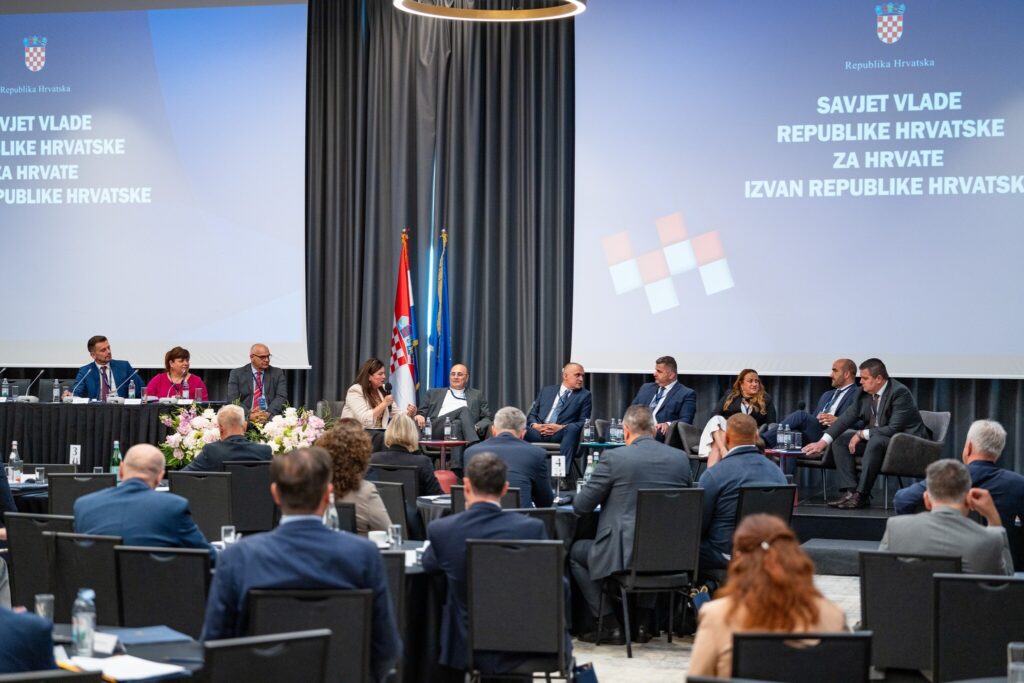
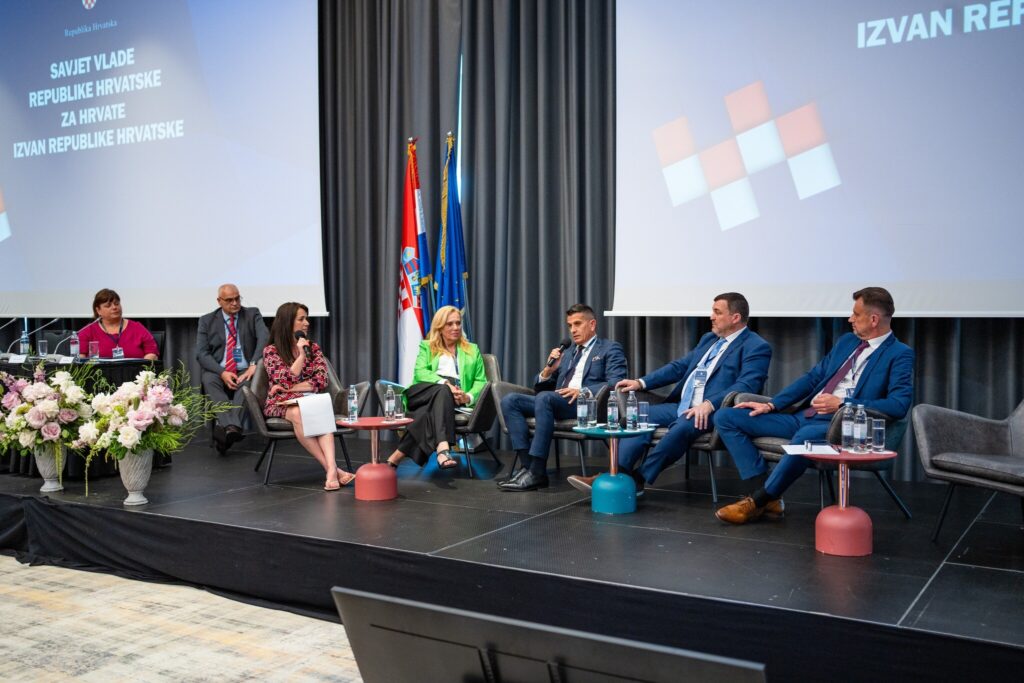
The session was concluded with the panel “Developing the Connections and Relations of the Republic of Croatia with Croats Abroad”, where programs, measures and projects aimed at Croats abroad were presented. The director of the Croatian Heritage Foundation, Zdeslav Milas, spoke about the CHF’s traditional and new programs for Croats abroad.
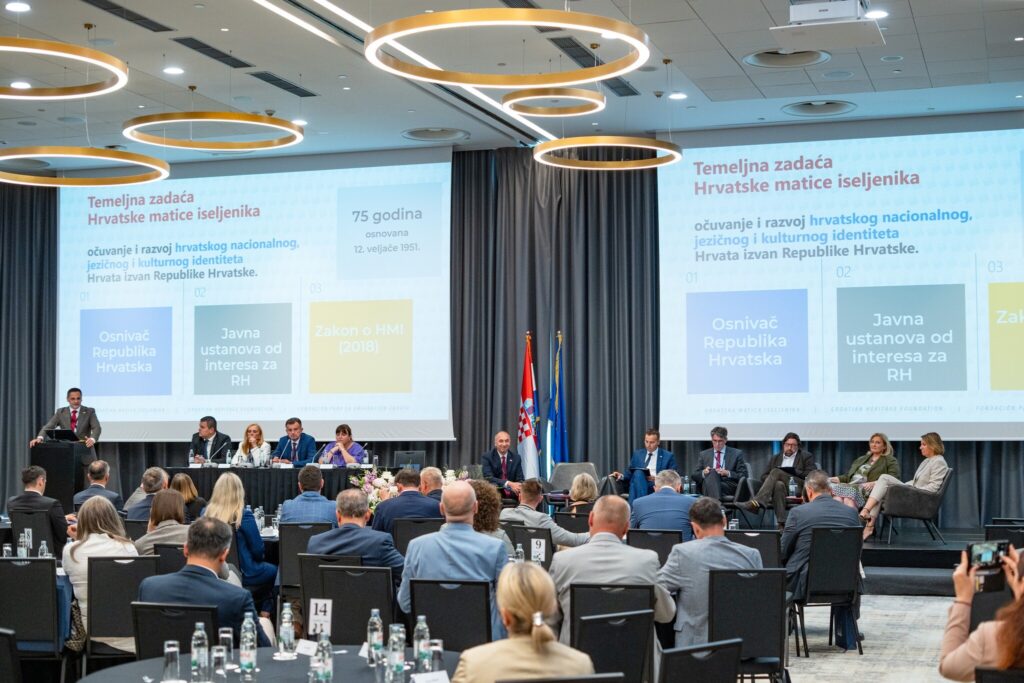
State Secretary in the Ministry of Demography and Immigration Frane Tokić presented measures and programs to encourage the return and immigration of Croatian emigrants, while the Croatian Television program for Croats abroad was presented by Vladimir Brnardić, Acting Editor of the Independent Department of the Program for Croats Abroad. Staša Skenžić from the Ministry of Science, Education and Youth spoke about the project of learning the Croatian language for Croats Abroad, Stella Arneri from the Ministry of Regional Development and European Union Funds about cross-border cooperation with Croats abroad, and Ivana Mehle from the Croatian Employment Service about the “I Choose Croatia” measure.
The Council of the Government of the Republic of Croatia for Croats Abroad is an advisory body of the Government during the creation and implementation of policies, activities and programs related to Croats abroad. Members of the Council from the Croatian people outside the Republic of Croatia are appointed by the Government of the Republic of Croatia at the proposal of Croatian communities from the countries from which they come. In question are 65 representatives of associations, organizations and institutions of Croats from all over the world, distinguished in the communities in which they live, engaged in preserving and strengthening Croatian identity, active in the work of their communities and committed to improving relations with their homeland. In addition to representatives of Croats abroad, on the basis of their function, also members of the Council are representatives of state bodies, institutions, the Catholic Church and civil society organizations.
Članovi po položaju:
Appointed Council Members:
1. Toni Kraljević, representative of Croats from Bosnia and Herzegovina
2. Andrijana Katić, representative of Croats from Bosnia and Herzegovina
3. Nikola Menalo, representative of Croats from Bosnia and Herzegovina
4. Stjepan Dujo, representative of Croats from Bosnia and Herzegovina
5. Marko Novak, representative of Croats from Bosnia and Herzegovina
6. Vinko Pavlović, representative of Croats from Bosnia and Herzegovina
7. Ana Rašo, representative of Croats from Bosnia and Herzegovina
8. Ružica Ševarika, representative of Croats from Bosnia and Herzegovina
9. Marko Ivanković, representative of Croats from Bosnia and Herzegovina
10. Ana Andrić, representative of Croats from Bosnia and Herzegovina
11. Mate Omazić, representative of the Croats from Bosnia and Herzegovina
12. Ivan Sajević, representative of Croats from Bosnia and Herzegovina
13. Franjo Jukić, representative of Croats from Bosnia and Herzegovina
14. Gabriela Novak-Karall, representative of the Croatian national minority from Austria
15. Josef Buranits, representative of the Croatian national minority from Austria
16. Adrijan Vuksanović, representative of the Croatian national minority from Montenegro
17. Jan Kopriva, representative of the Croatian national minority from the Czech Republic
18. Antonella D’Antuono, representative of the Croatian national minority from Italy
19. Ivan Gugan, representative of the Croatian national minority from Hungary
20. Andrija Handler, representative of the Croatian national minority from Hungary
21. Petar Hategan, representative of the Croatian national minority from Romania
22. Josip Tunić, representative of the Croatian national minority from North Macedonia
23. Radoslav Jankovič, representative of the Croatian national minority from Slovakia
24. Đanino Kutnjak, representative of the Croatian national minority from Slovenia
25. Koraljka Čeh, representative of the Croatian national minority from Slovenia
26. Renata Kuruc, representative of the Croatian national minority from Serbia
27. Petar Dujić, representative of the Croatian national minority from Serbia
28. Marin Piuković, representative of the Croatian national minority from Serbia
29. Domagoj Štefan, representative of the Croatian national minority from Bulgaria
30. Mario Brkić, representative of the Croatian national minority from Kosovo
31. Mirna Jukić-Berger, representative of the Croatian diaspora from Austria
32. Vlatka Leko-Roche, representative of the Croatian diaspora from France
33. Ivana Milina, representative of the Croatian diaspora from Italy
34. Marijo Primorac, representative of the Croatian diaspora from Germany
35. Mile Baričević, representative of the Croatian diaspora from Germany
36. Jozo Dalić, representative of the Croatian diaspora from Switzerland
37. Franko Cetinić, representative of the Croatian diaspora for the United Kingdom of Great Britain and Northern Ireland
38. Ivan Turkaj, representative of the Croatian diaspora for Denmark and Norway
39. Marija Aladić Fromont, representative of the Croatian diaspora for Belgium, Luxembourg and the Netherlands
40. Sanja Miletić, representative of the Croatian diaspora from Ireland
41. Vesna Ačkar, representative of the Croatian diaspora from Germany
42. Franjo Akmadža, representative of the Croatian diaspora from Germany
43. Domin Barunčić, representative of the Croatian diaspora from Germany
44. Martina Trupina Dreven, representative of the Croatian diaspora from Sweden
45. Jelena Nadinić, representative of the Croatian diaspora from Argentina
46. Zvonimir Kurtović, representative of the Croatian diaspora from Australia
47. Gustavo Victor Glavinich Giosa, representative of the Croatian diaspora for Paraguay, Uruguay and Venezuela
48. Dubravka Sidonija Šuto, representative of the Croatian diaspora from Brazil
49. Lovorka Duvnjak, representative of the Croatian diaspora from South Africa
50. Zvonimir Aničić, representative of the Croatian diaspora from Canada
51. Jeanne Valetić, representative of the Croatian diaspora from Canada
52. Ivana Pečarević, representative of the Croatian diaspora from Argentina
53. Raymond Vicko Pecotić, representative of the Croatian diaspora from Australia
54. Sonja Palić, representative of the Croatian diaspora from Australia
55. Ana Erceg, representative of the Croatian diaspora from Australia
56. Iván Eduardo Orlic Ticerán, representative of the Croatian diaspora for Bolivia, Ecuador and Peru
57. Marco Buzolić, representative of the Croatian diaspora from Chile
58. Alexandra Anamaría Vrsalović Honorato, representative of the Croatian diaspora from Chile
59. Zoran Tijardović, representative of the Croatian diaspora from Canada
60. Marija Nada Batistich, representative of the Croatian diaspora from New Zealand
61. Nikola Meteš, representative of the Croatian diaspora from the United States of America
62. Alen Juginović, representative of the Croatian diaspora from the United States of America
63. Ante Ivan Jakić, representative of the Croatian diaspora from the United States of America
64. Danko Svirac Grgas, representative of the Croatian diaspora from the United States of America
65. Peter John Hazdovac, representative of the Croatian diaspora from the United States
Members Based On Function:
Zvonko Milas, State Secretary of the Central State Office for Croats Abroad
Zvonimir Frka-Petešić, Head of the Office of the Prime Minister of the Republic of Croatia
Frano Matušić, State Secretary in the Ministry of Foreign and European Affairs
Tomislav Bilandžić, State Secretary in the Ministry of the Interior
Mladen Barać, State Secretary in the Ministry of Demography and Immigration
Branko Hrg, State Secretary in the Ministry of Defense
Matej Bule, State Secretary in the Ministry of Finance
Goran Romek, State Secretary in the Ministry of Economy
Anja Bagarić, State Secretary in the Ministry of Environmental Protection and Green Transition
Sanjin Rukavina, State Secretary in the Ministry of Justice, Administration and Digital Transformation
Iva Ivanković, State Secretary in the Ministry of Science, Education and Youth
Dražena Vrselja, State Secretary in the Ministry of Culture and Media
Josip Pavić, State Secretary in the Ministry of Tourism and Sports
Domagoj Mikulić, State Secretary in the Ministry of Regional Development and EU Funds
Ivan Vidiš, State Secretary in the Ministry of Labor, Pension System, Family and Social Policy
Marinko Beljo, State Secretary in the Ministry of Agriculture, Forestry and Fisheries
Žarko Tušek, State Secretary in the Ministry of the Sea, Transport and Infrastructure
Dario Tišov, State Secretary in the Ministry of Physical Planning, Construction and State Assets
Darko Nekić, State Secretary in the Ministry of Croatian Veterans
Tomislav Dulibić, State Secretary in the Ministry of Health
Jasna Vojnić, Member of the Croatian Parliament
Dario Pušić, Member of the Croatian Parliament
Nevenko Barbarić, Member of the Croatian Parliament
Zdeslav Milas, Croatian Heritage Foundation Director
Dario Magdić, Deputy State Secretary of the Central State Office for Croats Abroad
Željko Tanjić, Rector of the Catholic University of Croatia
Lidija Brković, Director General of the Croatian Bureau of Statistics
Vladimir Brnardić, Acting Editor of the Independent Department of the Program for Croats Abroad, HRT
Milan Mihaljević, Croatian Academy of Sciences and Arts
Tomislav Markić, Director of the Pastoral Care for Croats Abroad
Iva Vrkić Seidl, representative of the National and University Library
Sandra Prskalo, Head of the Office of the President of the Croatian Chamber of Economy
Dalibor Kratohvil, President of the Croatian Chamber of Crafts and Trades
Ivica Nuić, Secretary General of Matrix Croatica
Marina Perić Kaselj, Director of the Institute for Migration Research
Draženko Mamić, President of the Prsten Association

Text: Jelena Badovinac Dimitrijević / Photo: SDUHIRH, Government of the Republic of Croatia