


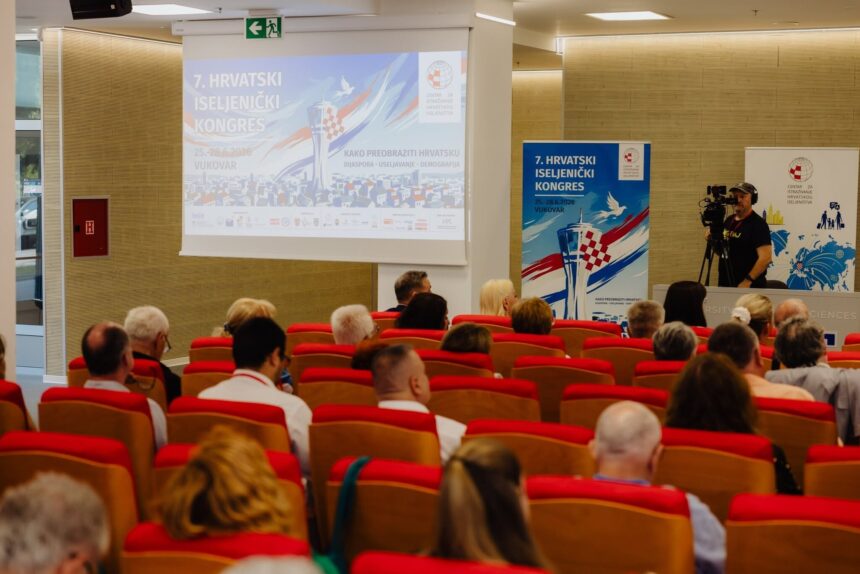
The 7th Croatian Emigrant Congress in the City of Remembrance opened the issues of return, demography, media, youth and the future of Croatian unity
The 7th Croatian Emigration Congress was held in Vukovar from June 25 to 28 on “How to transform Croatia: Diaspora – Immigration – Demography”, organized by the Center for Research on Croatian Diaspora and with the co-organization support of the Institute for Migration Research, the Directorate of Pastoral Care for Croats Abroad, the Ministry of Demography and Immigration of the Republic of Croatia, the Croatian Heritage Foundation, the Croatian Academy of Sciences and Arts’ Institute for Scientific Research and Artistic Work in Vukovar, the Faculty of Economics and Business of the University of Dubrovnik, ACAP and the International Croatian Youth Network.
The central theme of this year’s gathering was the future of Croatia and its demographic recovery, and the organizers emphasized that the Croatian diaspora represents one of the most significant development potentials of the country and that the return of emigrants can be an important response to long-standing demographic challenges.
On the first day of the Congress, as an introduction to the working part of the meeting, a cultural evening was held at the Vukovar City Museum, in the renovated Eltz Castle. Participants visited the museum’s permanent exhibition, which presents eight thousand years of history of the Vukovar region on multiple floors.
The opening ceremony was held at the Lavoslav Ružička University of Applied Sciences in Vukovar. With the anthem of the Republic of Croatia and a minute of silence for all Croatian citizens, Croatian defenders, victims of the Homeland War, victims of Vukovar and all those who laid down their lives for the freedom of the Republic of Croatia, an extremely rich program began, which included plenary lectures by experts and numerous panels.
The welcome speeches were delivered by the Program Committee President of the Croatian Emigrant Congress, Marin Sopta, Ph.D.; the Very Reverend Zvonimir Martinović, Parish Priest and Dean of the Vukovar Deanery; Ivan Rora, Deputy Director of the Croatian Heritage Foundation; Assistant Professor Željko Sudarić, Ph.D., Rector of the Lavoslava Ružička University of Applied Sciences; Marijan Pavliček, Mayor of Vukovar; Dario Magdić, Deputy State Secretary of the Central State Office for Croats Abroad; Ivan Bosančić, Vukovar-Srijem County Prefect; Dario Vretenar, Secretary General of the Croatian Academy of Sciences and Arts; and Ivana Perkušić, Academician and Envoy of the Minister of Demography and Immigration.
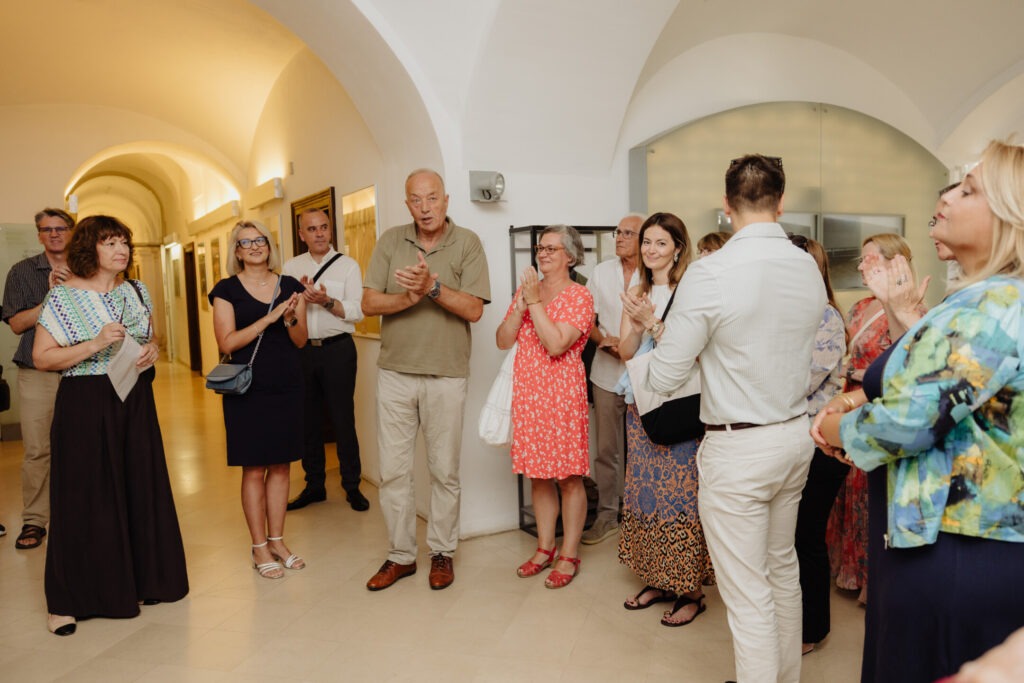
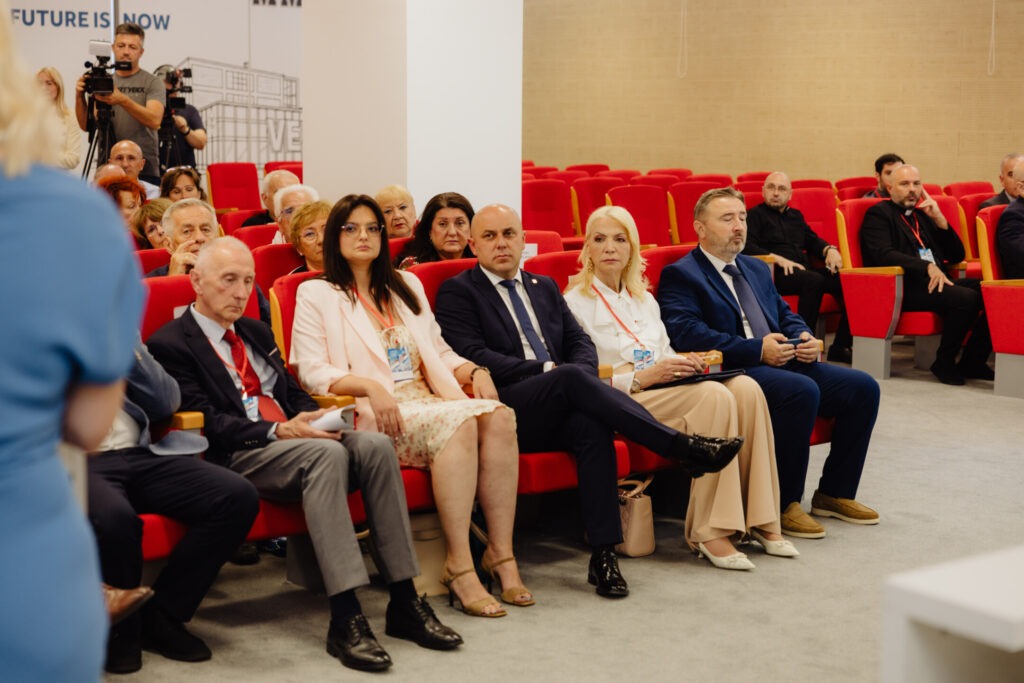
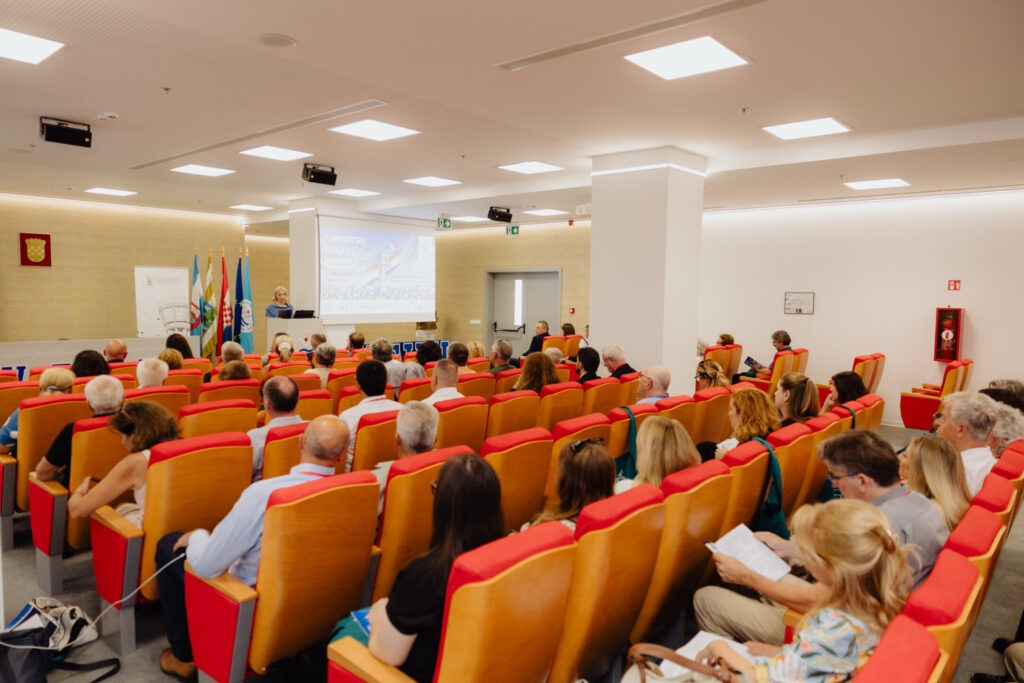
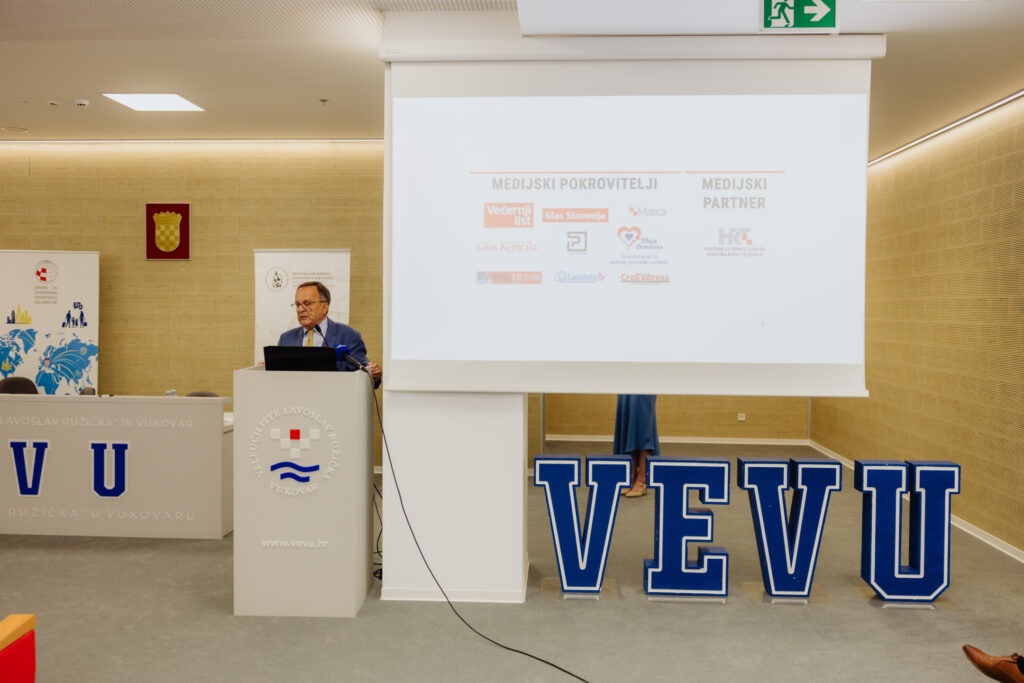
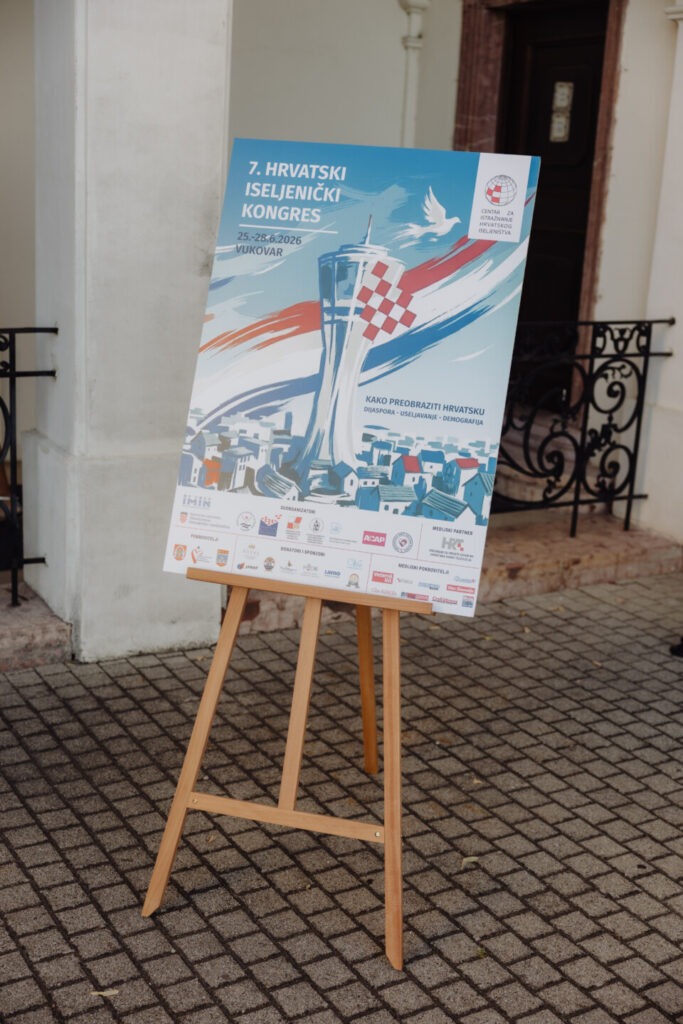
Dr. sc. Mr. Sopta pointed out that Vukovar is a city that embodies the beloved Croatian national identity and unites all Croats, regardless of the ideological differences among them. He added that, by coming to Vukovar, they wanted to pay tribute and gratitude to all those who laid their lives to liberate the city and to experience a free and democratic Republic of Croatia. Among other things, he recalled that after each congress, collections of papers were published and that more than 400 papers had been published thus far by over 600 authors.
The Very Rev. Martinović welcomed the participants to Vukovar and greeted them on behalf of Archbishop of Đakovo-Osijek Đuro Hranić, all the priests of the Vukovar Deanery and all those who provide pastoral care to Vukovar. He indicated that he did not come to the Congress to speak, but to listen, because the participants deal with life topics.
Ivana Rora, a member of the Organizing Committee of the Croatian Emigrant Congress from the very beginning, highlighted that the Croatian Heritage Foundation is “the meeting point of homeland and diaspora Croats”. She emphasized that the Croatian Heritage Foundation, as a long-term partner and co-organizer of the Congress, has been committed to connecting homeland and diaspora Croatia for over 75 years and deals with the preservation of Croatian identity among emigrants and their descendants. Such gatherings, she said, carry tremendous value since they bring together scientists, representatives of state institutions, local communities and numerous Croatian emigrants from all over the world, creating a space for dialogue and mutual reflection on the future of Croatia.
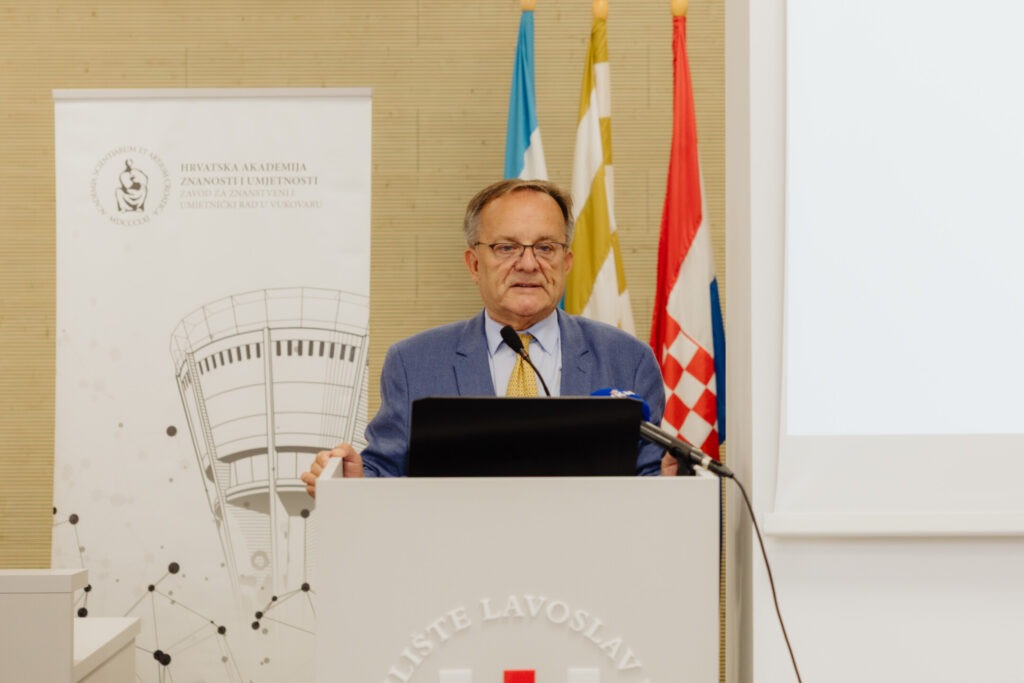
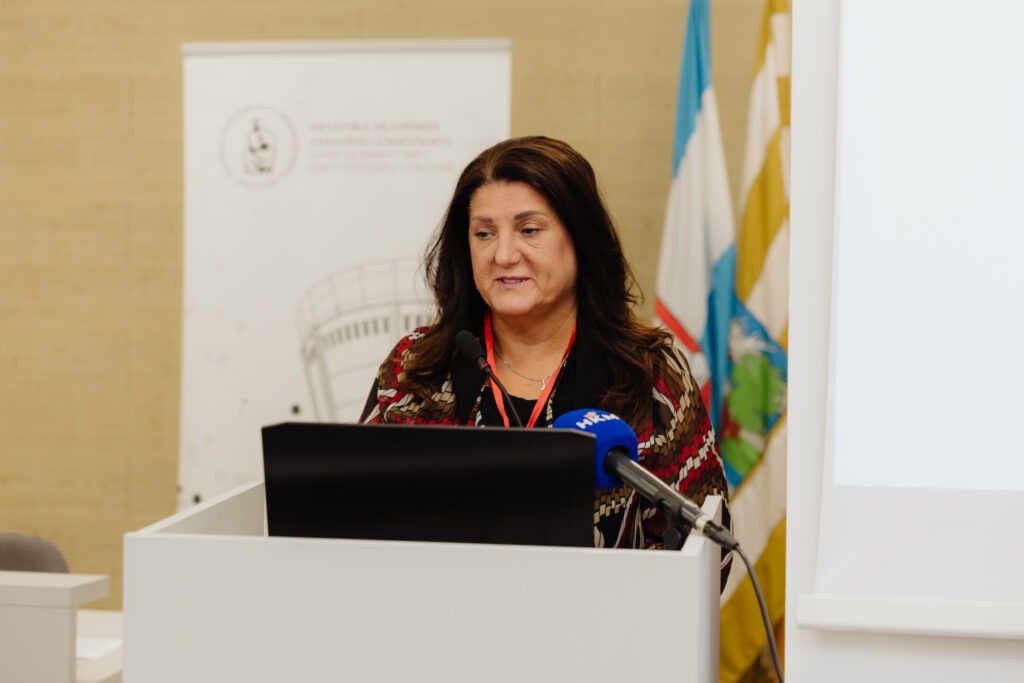
Rector Sudarić, welcoming the participants, presented the Lavoslav Ružička University of Applied Sciences, which has 1,000 students and about 50 employees. He also pointed out that, in cooperation with the Central State Office for Croats Abroad, the higher education institution had a quota for diaspora students.
Mayor Pavliček, recalling the importance of Vukovar in Croatian history, underscored that the city was directed towards the future. Emphasizing the importance of the connection with the Croatian diaspora, he said that 32 children of returnees were enrolled in the past academic year. Dario Magdić stated that the amount of funds invested in activities related to Croats abroad increased by 1015 percent compared to 2016.
Mayor Bosančić recalled the wave of emigration from 2013 to 2016, highlighting that it was caused by economic issues, and expressed hope that there would be as many examples of people returning with experience gained throughout the world. Academician Vretenar stated that the Croatian Academy of Sciences and Arts (HAZU) connects homeland and diaspora Croatia, but also warned that only recently has Croatia’s potential been recognized by Croatian scientists and artists working at the world’s most prestigious universities, institutes and cultural institutions.
Ivana Perkušić emphasized that she was also participating in the Congress as a returnee to the Republic of Croatia and recalled the Ministry of Demography’s measure for access to the state real estate fund, which was assigned to a returnee. The musical-narrative number “Priča o Vukovarcu” (The Story of the Vukovar Resident) was performed by Academician Prof. Dr. Prim. Mirna Šitum, accompanied by Prof. Dr. Nikša Sviličić. Prof. Šitum also spoke about her reasons for staying in Croatia, despite the opportunities available to her abroad as a doctor. The demographic challenges were discussed by distinguished experts – Assistant Professor Stjepan Šterc, Ph.D., Prof. Nenad Pokos, Ph.D., Prof. Josip Jurčević, Ph.D., as well as Iva Tadić, Ph.D. and Irena Martinović Klarić, Ph.D.
As part of the Economic Forum, panels were held at which returnees from all over the world spoke. They shared their experiences on the investment potential of emigrants, the expansion of the business community and proposals for administrative facilitation of the return of Croatian immigrants.
Media Panel
The panel “Media as a Bridge Between the Homeland and the Diaspora”, moderated by Ivan Rora, CHF Deputy Director, attracted significant interest. Among the participants were Ksenija Antonia Abramović, Director and Founder of Laudato Television, Vladimir Brnardić, Acting Editor-in-Chief of HRT’s Program for Croats Abroad, and Jelena Badovinac Dimitrijević, Editor-in-Chief of Matica Magazine.
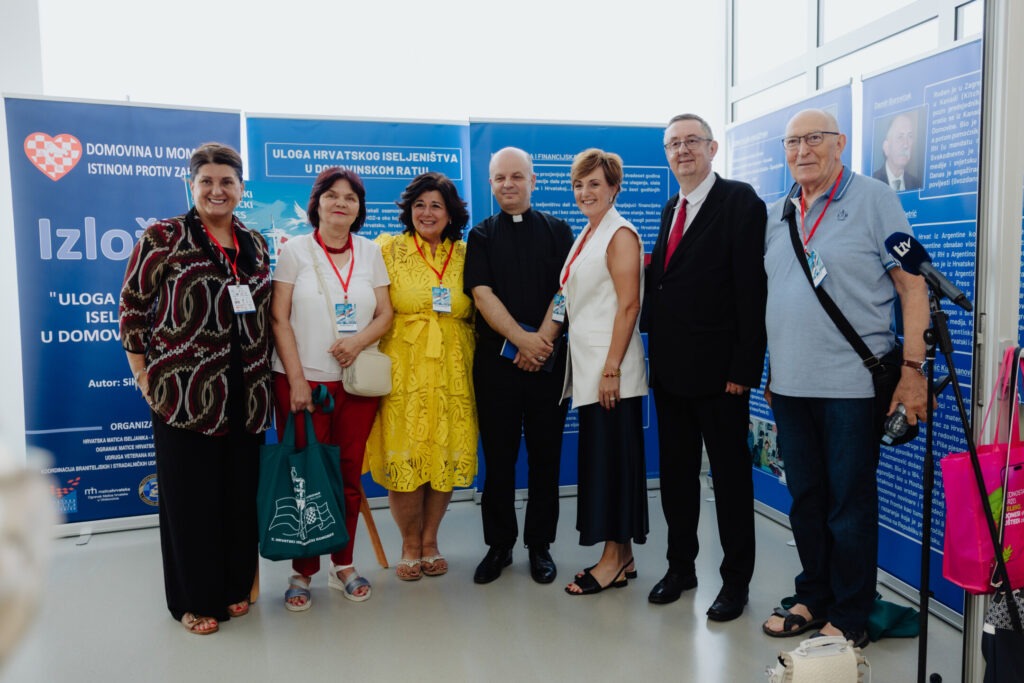
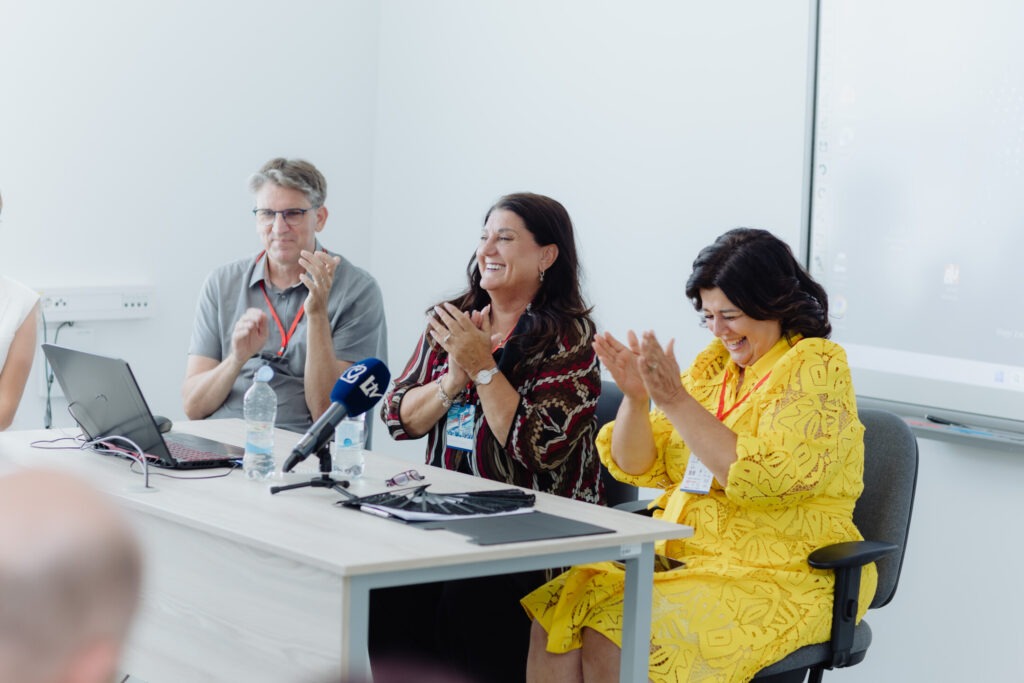
The importance of the media in disseminating news and information about Croats abroad was discussed, with the media serving as a space for articulating their needs and for preserving Croatian identity. It was highlighted that the Croatian Heritage Foundation will continue to assist the media serving Croats abroad in networking with those in Croatia, with the aim of making more content public. As a continuation of the recently held round table, which was attended by numerous editors-in-chief and directors of media publishing houses of Croats abroad, Matica will hold a series of events in the upcoming period to connect Croatian journalists around the world. An exhibition of diaspora press is planned at the end of the year at the Croatian Heritage Foundation, a celebration of 75 years of publication of Matica Magazine and a two-day media conference in 2027, which aims to bring together media from BiH, minority communities and the diaspora.
The message from this panel was clear: more systematic visibility, cooperation and content that will provide insight into the contributions of emigrants are needed to better connect the homeland and emigrants. As part of this year’s Congress, a number of other panels were held, which brought together experts, representatives of institutions and emigrants with the aim of reflecting on Croatia’s key demographic and migration challenges. The Head of the Publishing Department, Vesna Kukavica, moderated panels on cultural and artistic heritage, which is not static heritage, but a living connection between generations, and on Croatia’s digital progress, which raises the question of how modern technologies can help connect communities, make content accessible, and preserve language.
Challenges of Pastoral Case for Croatian Emigrants
Saturday’s program began with a panel on “Eighty Years of Pastoral Care for Croats in Germany and Austria”. National Director of Pastoral Care for Croats Abroad, Rev. Tomislav Markić, Ph.D., held a lecture on the topic “Challenges of Pastoral Care for Croats Abroad”, emphasizing that “celebrating the jubilee has its meaning in a grateful look back, looking at the journey and achievements, however, we must not stop on the glorious past, we should be able to start over and face the challenges of the future and renew our identity and mission”.
He noted that celebrating the jubilee is a sign of a certain age of an organization and that it should serve as a bridge “for the spillover of experience, ‘living memory’ to the younger ones who will not only inherit tradition and content, but also ensure the continuity of the mission and vision of an organization”. Today, there are 180 Croatian Catholic parishes, missions, communities and centers in the world, where 181 priests operate.
Youth Panel: Croatia as the Country of Roots and Opportunities
A special chapter in Saturday’s program was dedicated to two panels – “The Role of Youth in Shaping Social Processes in Croatia” and “The Return of Youth from the Diaspora Through Study, Work and New Opportunities”. The participants were Gabrijel Lukić, President of the Mladi za domovinu association, and members of the International Network of Croatian Youth Adam Crnogorac, Karlo Kunjas, Petar Kovačićek, Anja Kolimbatović, Bruno Penava, Paula Zujić, as well as Marija Bajić and Ana Aračić.
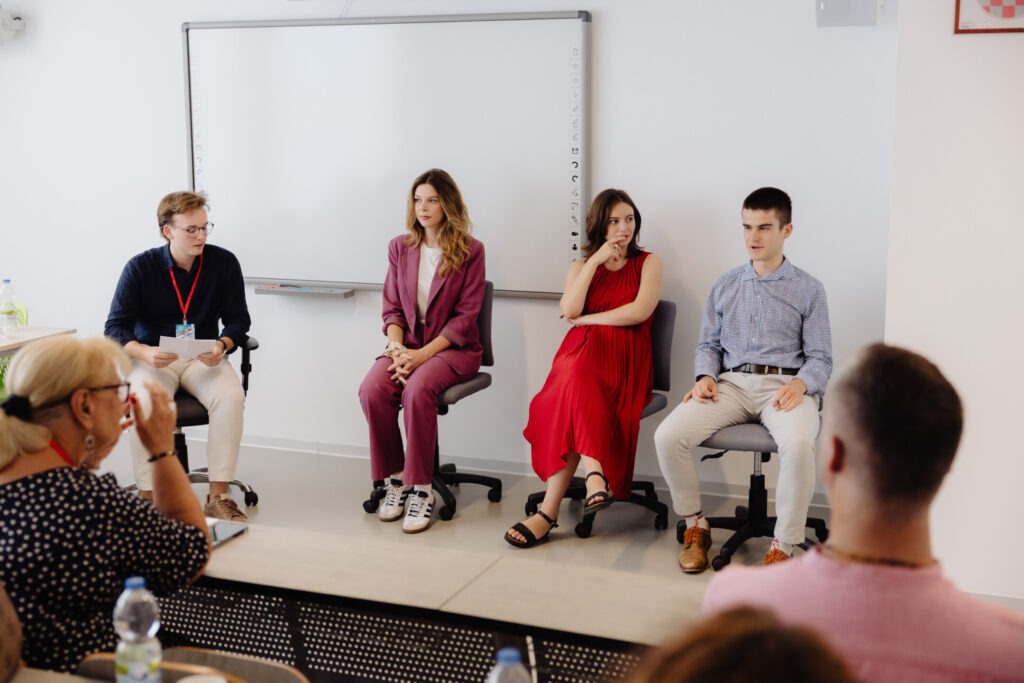
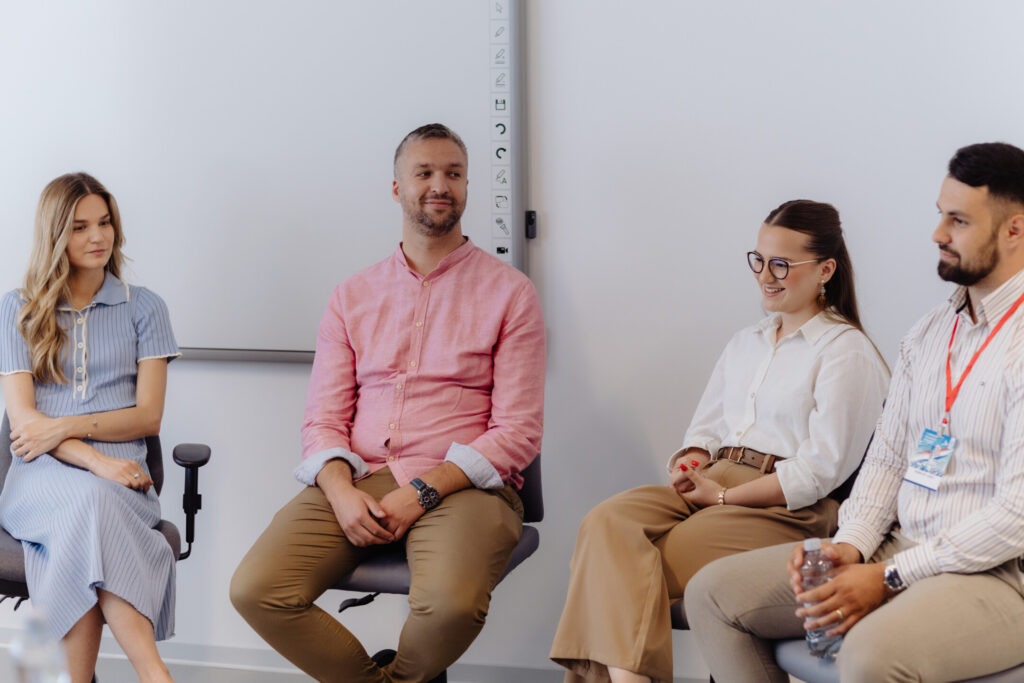
Within the congress framework, in which the topics of demography, return, and identity are intertwined, young people are presented as a key link between heritage and the future. Their heritage and identity have not remained only a family story, a place of summer arrivals, or a land of ancestors – they have also become a space for education, work, investment, family formation, and personal development. The panelists shared their experiences of returning to and staying in Croatia, noting that personal responsibility and motivation at work are the main drivers of change across society.
Bleiburg as a Question of Historical Truth and National Memory
The Congress finale brought a strong emphasis on the topic of the suffering of the Croatian people after the end of World War II. The scientific-professional conference on the Bleiburg tragedy and post-war liquidations was attended by numerous prominent historians, researchers and experts who have been studying communist crimes and the fate of post-war victims for years: Ante Žužul, Ph.D. Prof. Mitja Ferenc, Dražen Živić, Ph.D., Mario Jareb, Ph.D., don Damir Markušić, Assoc. Prof. Wollfy Krašić, Assist. Prof. Danijel Jurković, Assoc. Prof. Vlatka Vukelić, and Assoc. Prof. Vladimir Šumanović. Their presentations highlighted the extent of crimes that have not fully investigated even eight decades after the end of the war and the need to continue systematic scientific work to reveal the truth about the victims.
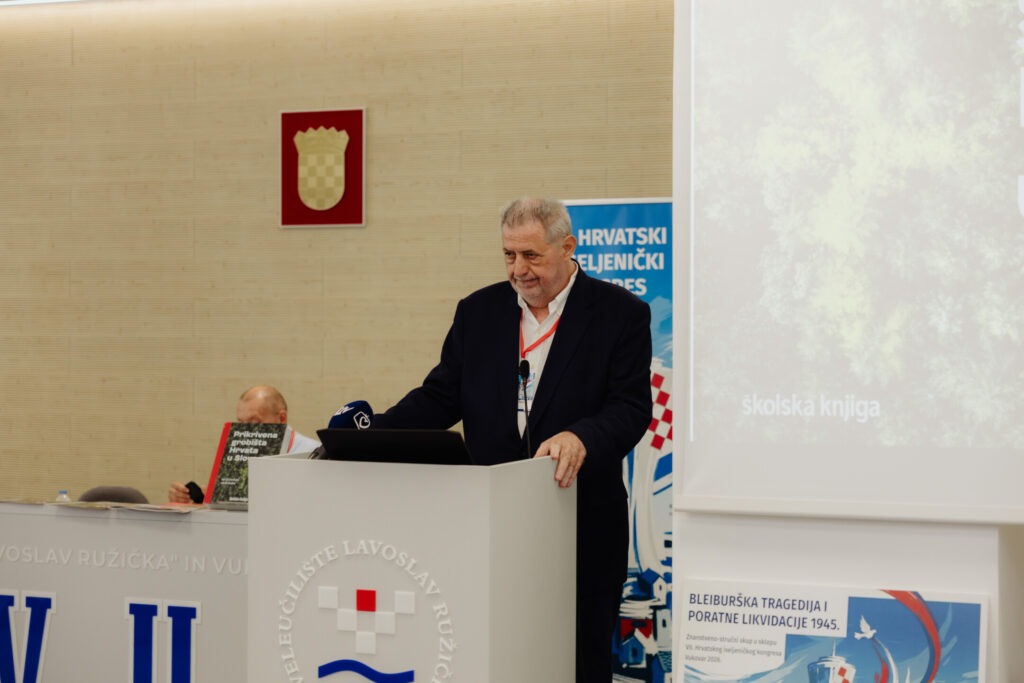
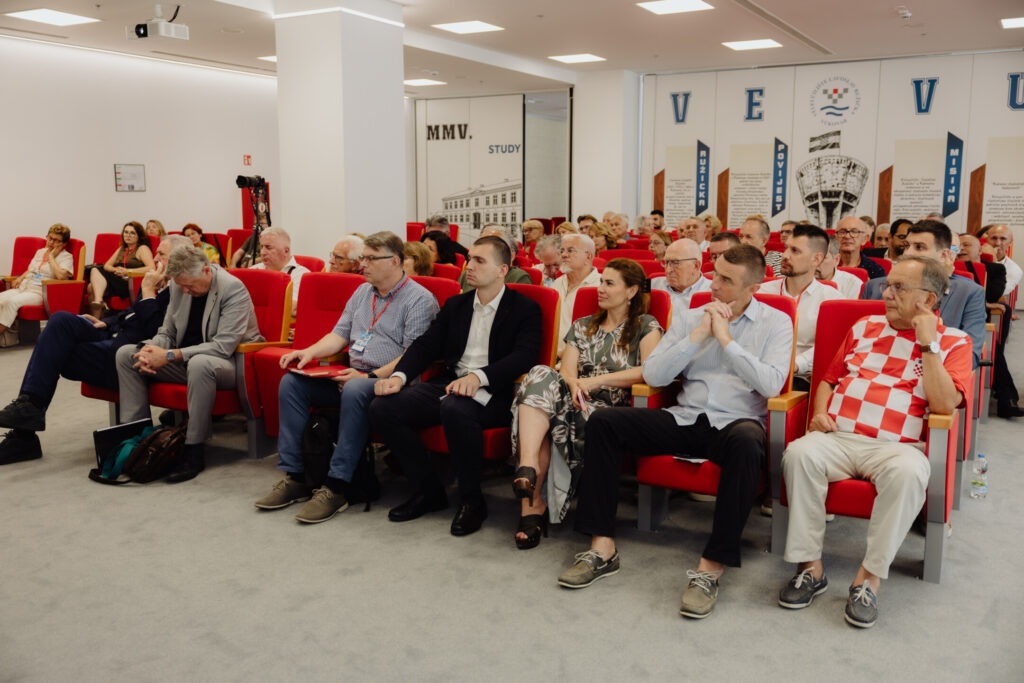
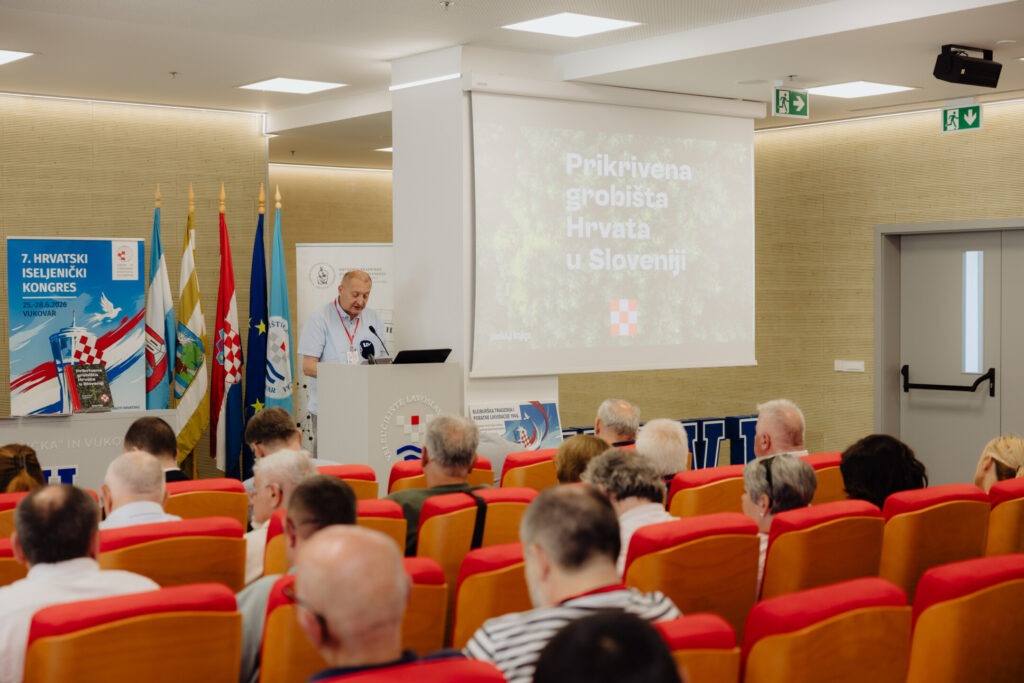
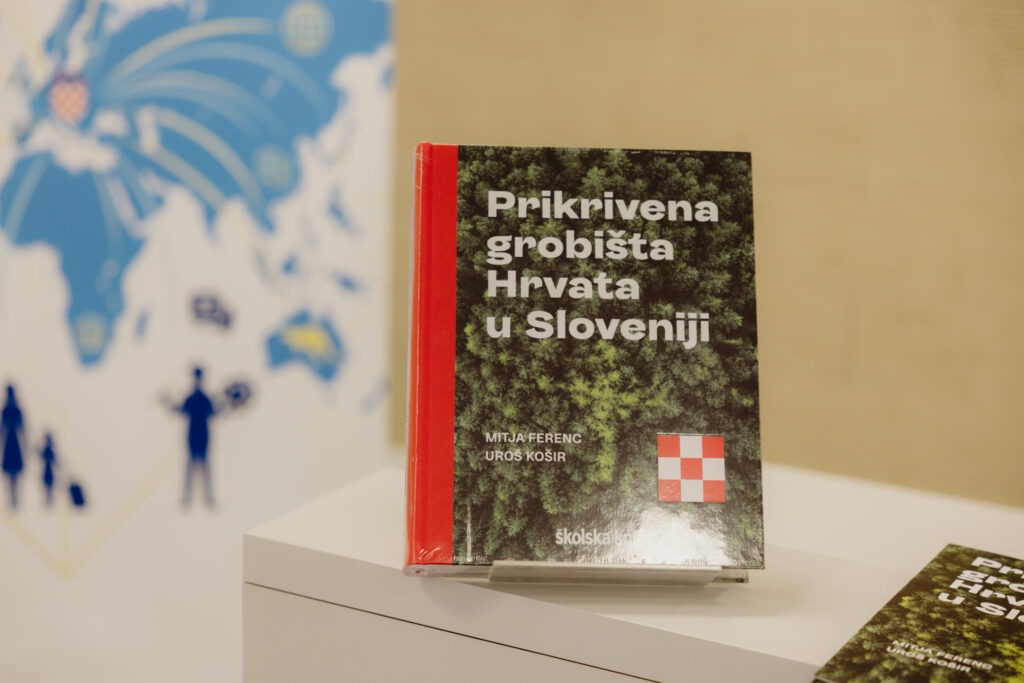
Attracting attention with her presentation was Assoc. Prof. Vlatka Vukelić, Ph.D., President of the Commission of the Homeland Movement (DP) for Determining the Fates of Victims of Crimes Committed Immediately After World War II, which has been investigating communist crimes and post-war liquidations for years. The event was also attended by the Homeland Movement President, Ivan Penava, who said that the Bleiburg tragedy deserves a serious scientific and social approach and a permanent place in the Croatian culture of remembrance. President of the Congress Program Committee, Marin Sopta, Ph.D., highlighted that Vukovar is a symbol of Croatian identity that unites Croats worldwide, regardless of ideological differences.
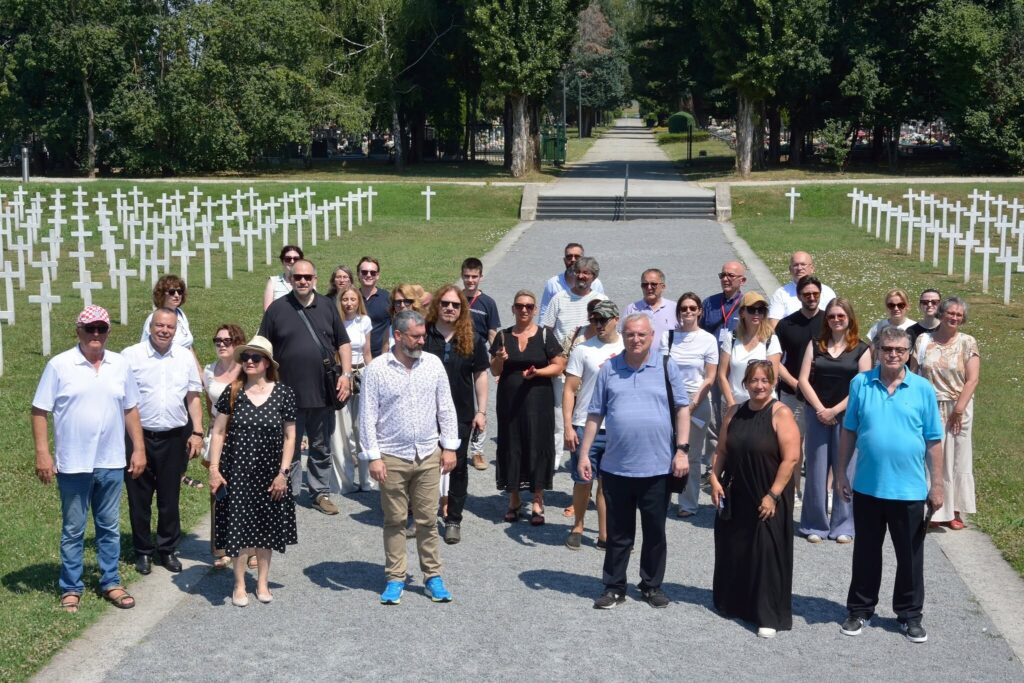
The congress concluded with a holy mass in the church of Saints. Philip and James and a tour of the Memorial Cemetery and the mass grave at Ovčara, the site of one of the most devastating atrocities during the Homeland War. The 7th Croatian Emigrant Congress in Vukovar sent a message that the diaspora is not just a topic of the past, but one of the key issues of Croatia’s future.
Text: Jelena Badovinac Dimitrijević / Photo: Center for Research on Croatian Diaspora


