


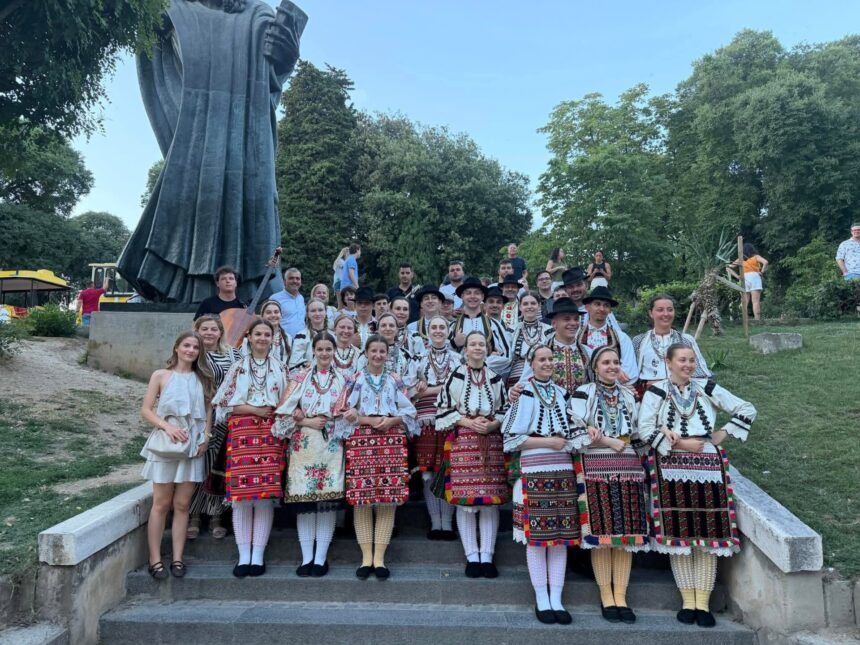
In Split, Kaštela and Marina, a program and institutional presentation of the heritage and cultural identities of Croats from Hungary was organized from June 23 to 28. This project also implemented the provisions of the Cooperation Agreement between the Split-Dalmatia County and the Croatian Self-Governing Body (umbrella organization of Hungarian Croats), concluded on March 31, 2026, in Split, whose permanent partner is the Croatian Heritage Foundation – Split Branch.
The event was realized in cooperation with the Croatian Heritage Foundation – Split Branch, Association of Culture and Arts Societies of Split-Dalmatia County and Matrix Croatica – Split Branch, and with the partnership and program support of the “Jedinstvo” Folklore Ensemble from Split, “Andrija Matijaš Pauk” Cultural and Artistic Association from Marina, “Emanuel Vidović” Art Association and of the parish of Sv. Josip – Mertojak.
The multi-year project of the Croatian Heritage Foundation – Split Branch, with the aim of presenting the Croatian national minority in twelve European countries, including through this year’s manifestation “Days of Croats of Hungary in the Split-Dalmatia County”, was designed to enable multicultural cooperation, but primarily national recognition, to make our compatriots feel the “pulse” of the Homeland in Dalmatia – a space where “history has not remained silent”. The program’s perception also emphasized true recognition, as participants preserved their belonging to the Croatian ethnic group despite the challenges of sociological assimilation, with the intention of getting to know each other better and building bridges of cultural cooperation that “bridge” the Drava River.
The event is based on the diversity of the program and the venues where it took place: from the Riva in Split and Kaštela, the Museum of Archeological Monuments, the Citadel and Tower in Marina, the Church of Sv. Josip at Mertojak in Split; it also sensitized guests, representatives, and hosts.
“The historical reality of the Croatian man and the dynamics of his migrations, as well as the ability to ennoble the area of the new settlement with socialization, fascinates. The fact that a people’s identity encompasses different aspects of community life is impressive: what distinguishes it from others, as well as what connects it, sets it apart and makes it a community with deep roots and rich heritage. It is impossible to preserve this identity if the past of the people is interrupted, if its primordial origin is suppressed, if one forgets how to preserve those values from which it originates, from which it lives and by which it is recognizable. The identity of the people and its specificity in the context of the preservation of living and past heritage are a guarantee of the preservation of the recognition of the community to which it belongs both in the national sense and in the context of the European civilizational narrative,” said Ante Ćaleta, Head of the Croatian Heritage Foundation – Split Branch.
The multidisciplinarity of the program content is uniquely presented through the relevant factors of Croatian institutions and associations in Hungary; along with the umbrella entity, the Croatian Self-Governing Body headed by President Silvestar Balić, representative of the Croatian national minority in the Hungarian Parliament, representative and spokesperson, Ivan Gugan, from the “Croatica” non-profit enterprise for cultural, information and publishing activity from Budapest with Director Timea Šakan-Škrlin, “Tanac” Folklore Ensemble from Pecs, led by Artistic Director, Robert Takač and “Planine” Tamburitza Orchestra from Mohács.
The interpretation of cultural identity presentations fulfilled its purpose through mutual synergy with the hosts; through the manifestation “Šotobraco” of the Split “Jedinstvo” Folklore Ensemble, when guests from Pécs and Mohács presented part of their choreographic performances to the Split audience in front of the Croatian National Theater in Split and the Split Cathedral of Sv. Duje, held significant prominence.
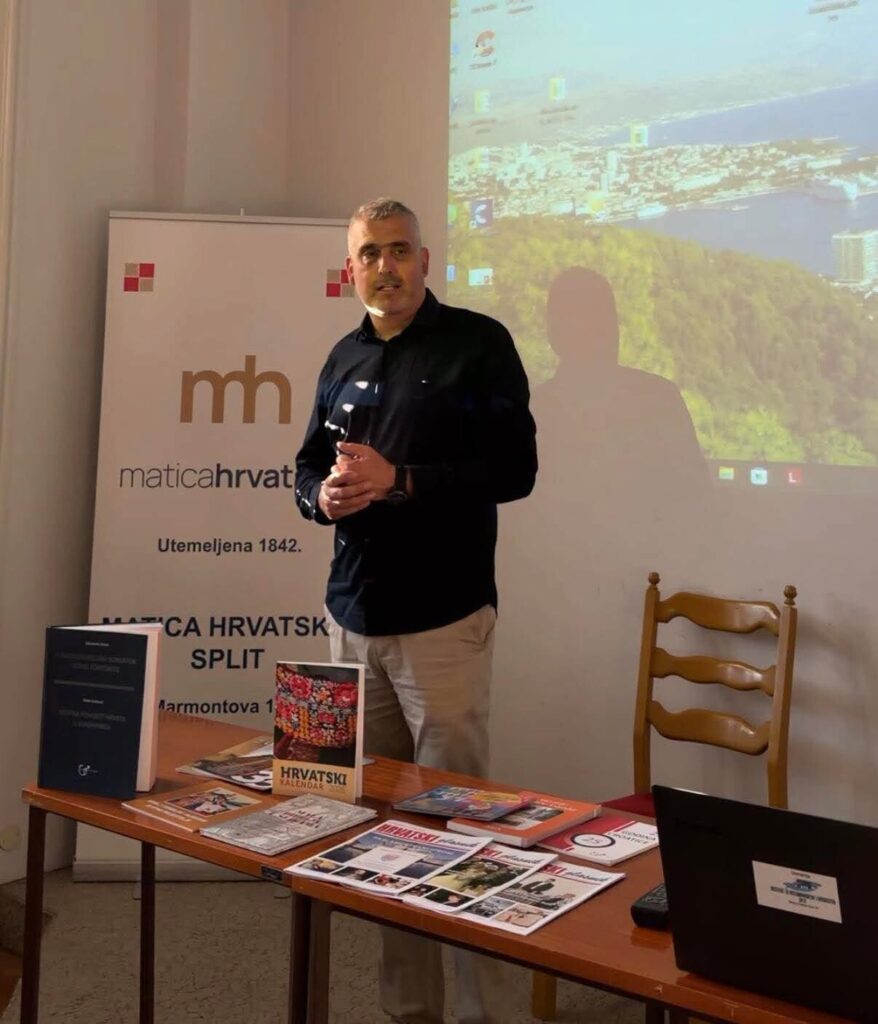
In the municipality of Marina, on the feast of St. John, the sounds of Croatian folk dances from all parts of Hungary echoed, while the home colors were “defended” by the “Andrija Matijaš-Pauk” Folklore Ensemble from Marina. The hosts were introduced to the literary expression of Hungarian Croats and to the vivid identity heritage of the Croats of Hungary through a lecture by the director of “Croatica” and a historical presentation on ethnological specificities by the president of the Croatian Self-Governing Body.
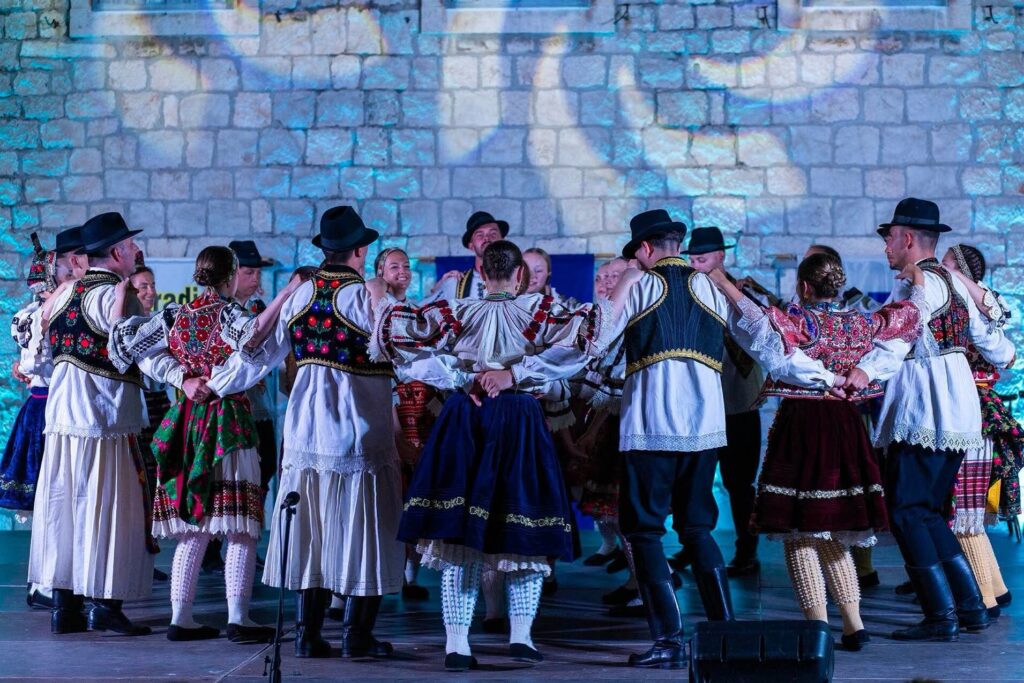
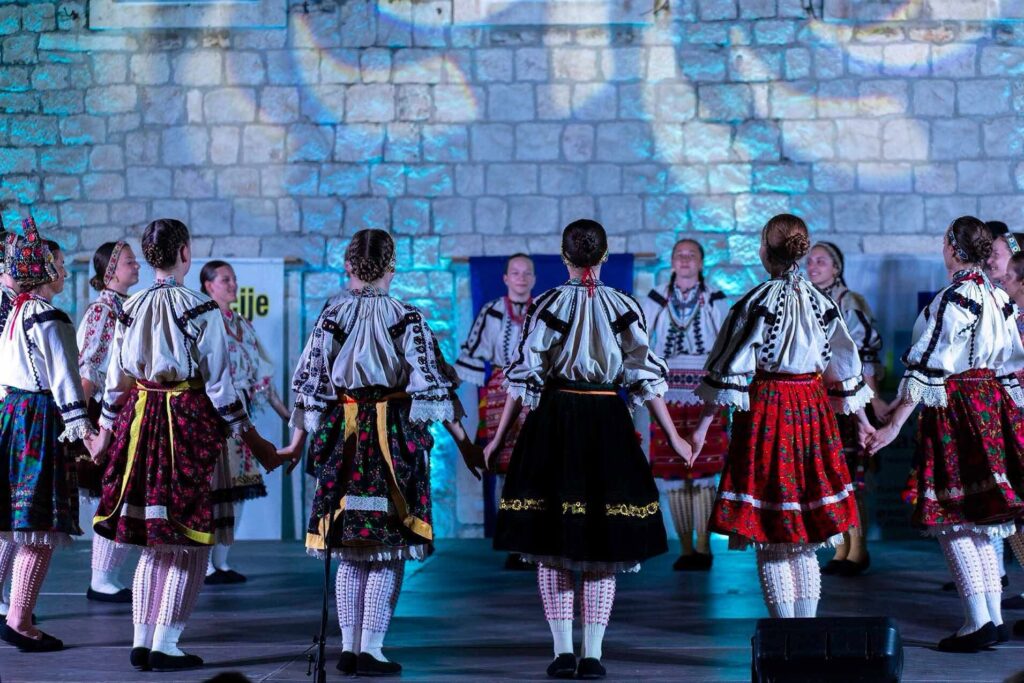
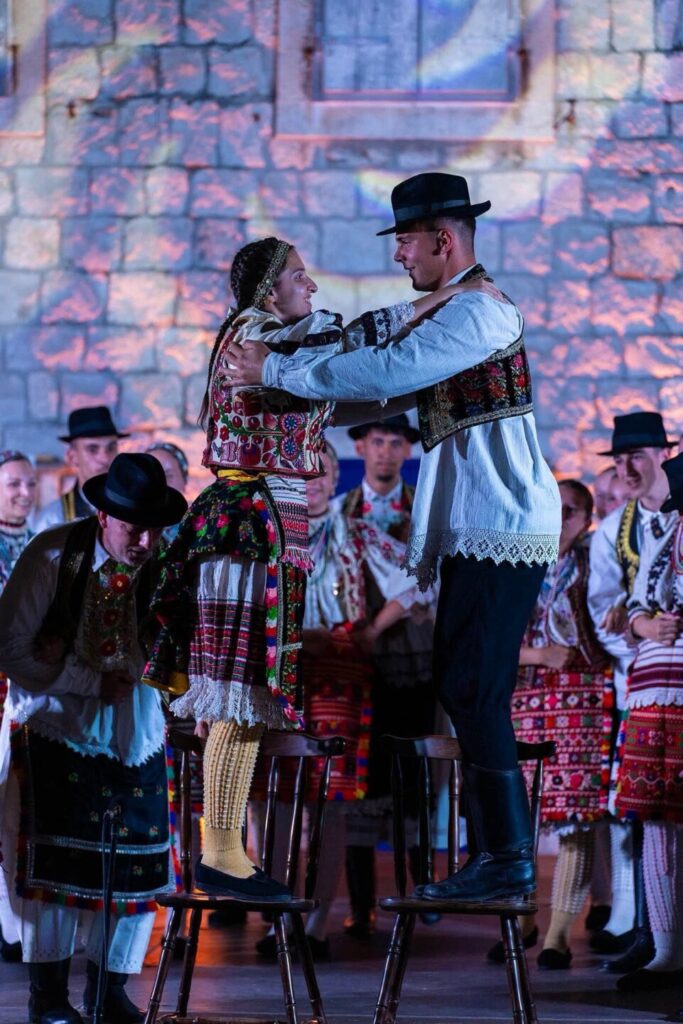
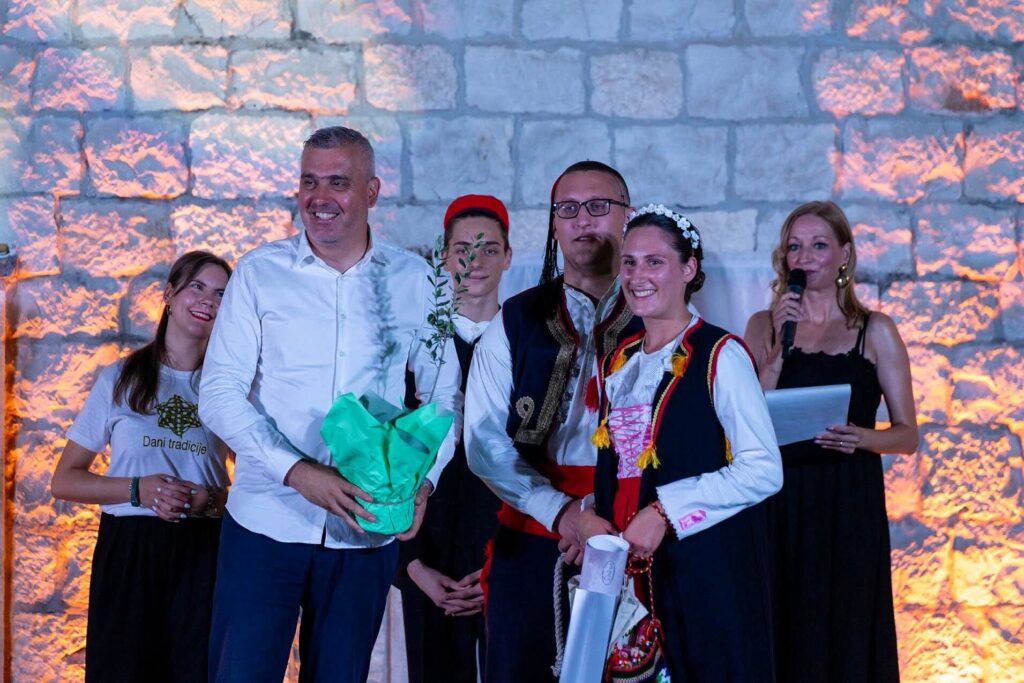
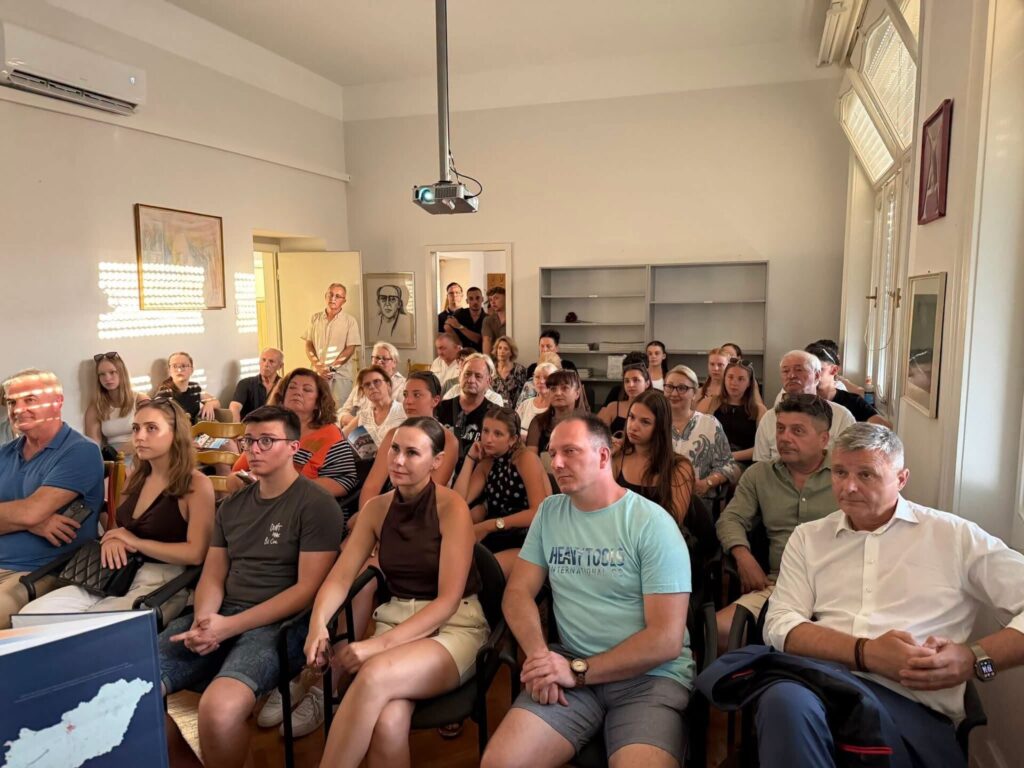
An identical framework of lectures was held the next day in the premises of the Croatian Heritage Foundation – Split Branch, when, through an interactive panel discussion, there were constructive observations from the audience and compatriots from Hungary, and within which the presentation was described by the spokesperson in the Hungarian Parliament, MP Ivan Gugan. Earlier on the same day, with the aim of presenting the historical beginnings of Dalmatia, the guests visited the Archeological Museum in Split, where they were introduced to the exhibition “Delmati – Between Myth and Reality” and the collection of the Museum by the Director, Ante Jurčević.
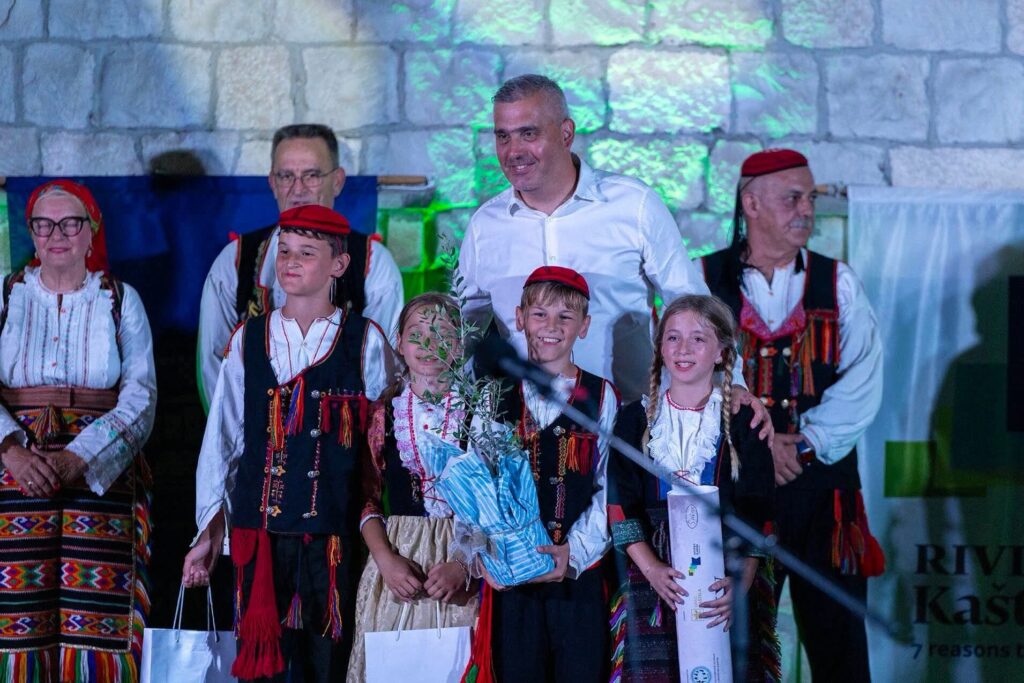
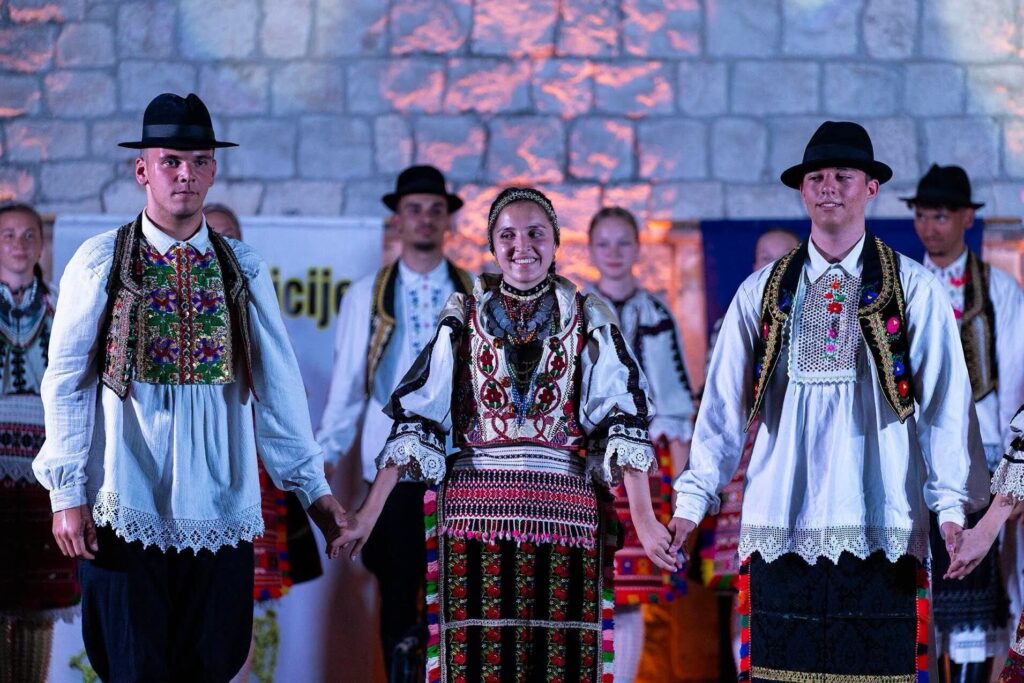
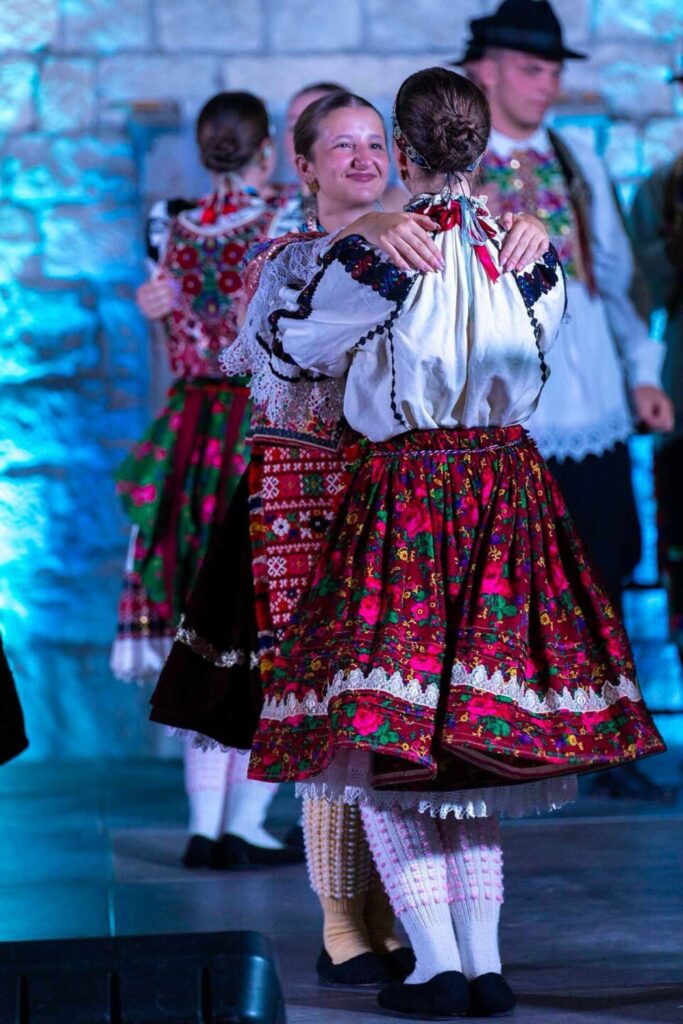
This year’s county folklore festival in Kaštel Novi, organized by the Association of Culture and Arts Societies of Split-Dalmatia County, as part of the manifestation of the Kaštela Tourist Board, “Nostalgija”, completed the identity heritage with the choreography of a church celebration from the vicinity of Pécs – “Kermez” performed by the “Tanac” Folklore Ensemble from Pécs and the “Planine” tamburitza orchestra.
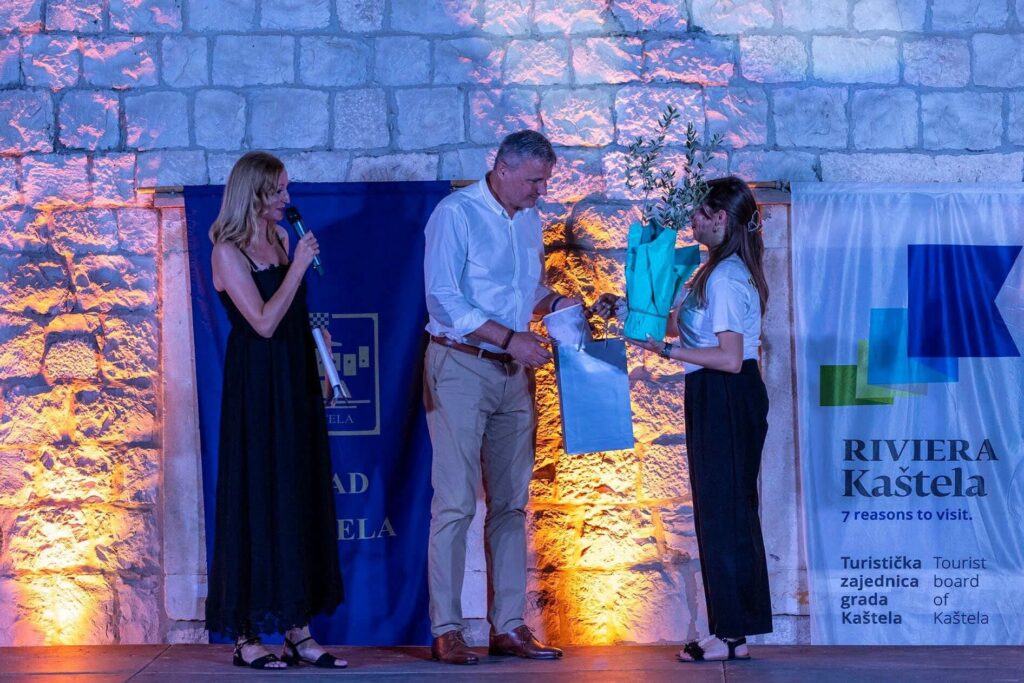
Nada Maršić, Director of the Kaštela Tourist Board, Marica Tadin, President of the Association of Culture and Arts Societies of Split-Dalmatia County and Meri Maretić, Deputy Head of the Department of Culture, Sports and Technical Culture, in appropriate addresses, along with all the performers, particularly highlighted the Croats from Hungary
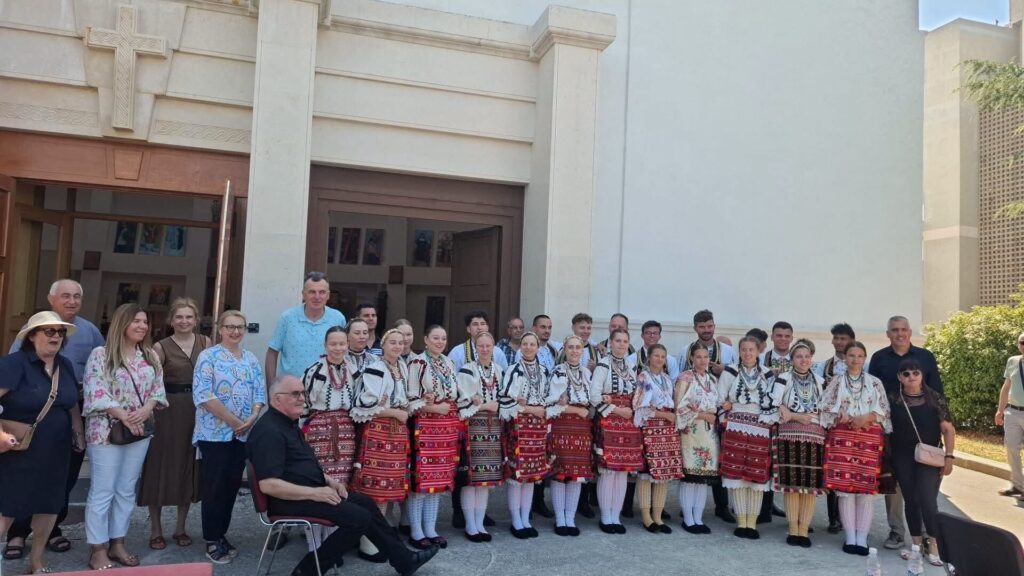
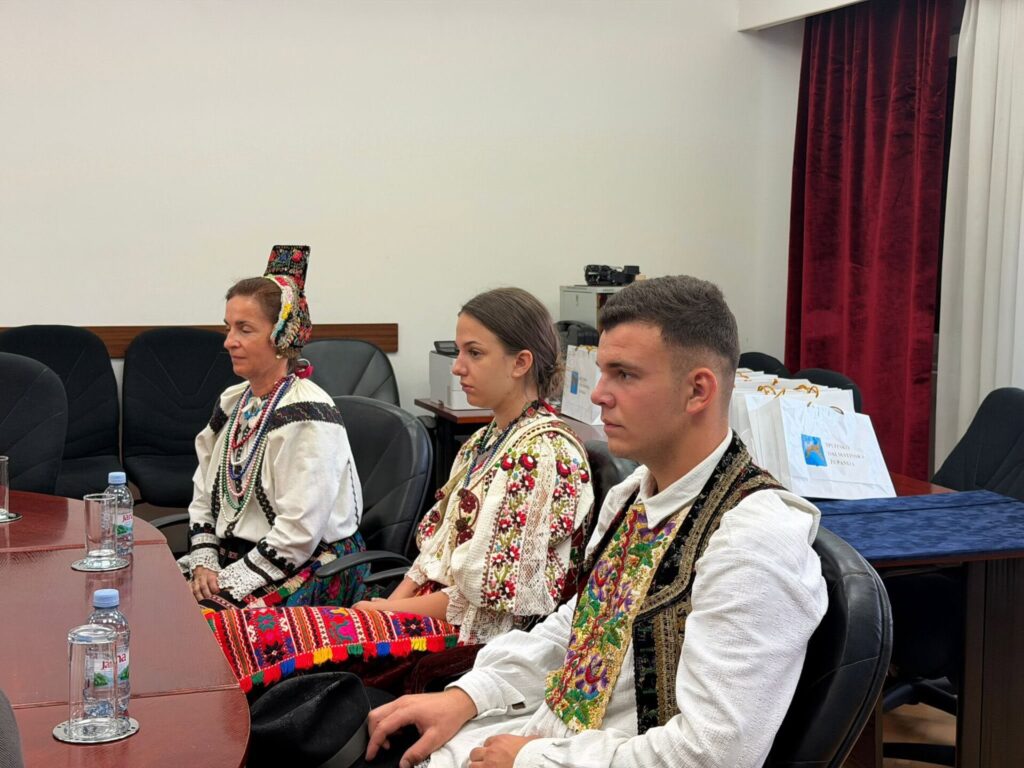
Parishioners of the parish of Sv. Josip at Mertojak in Split, together with the parish priest Fr. Vjenceslav Kujundžić, after Croats from Vojvodina and Romania, celebrated the Sunday Eucharist with brothers and sisters from Hungary. The meeting place of the scattered Croatian being and its richness in the diversity and peculiarities of cultural identities was painted through shared prayer and Sunday readings in the folk costumes of the Croats from Pécs.
In the exchange of appropriate gifts, special attention was paid to the paintings of Split’s “Pjaca” and St. John Paul II, author Julija Stapić, who, together with members of the “Emanuel Vidović” Art Association, presented her paintings.
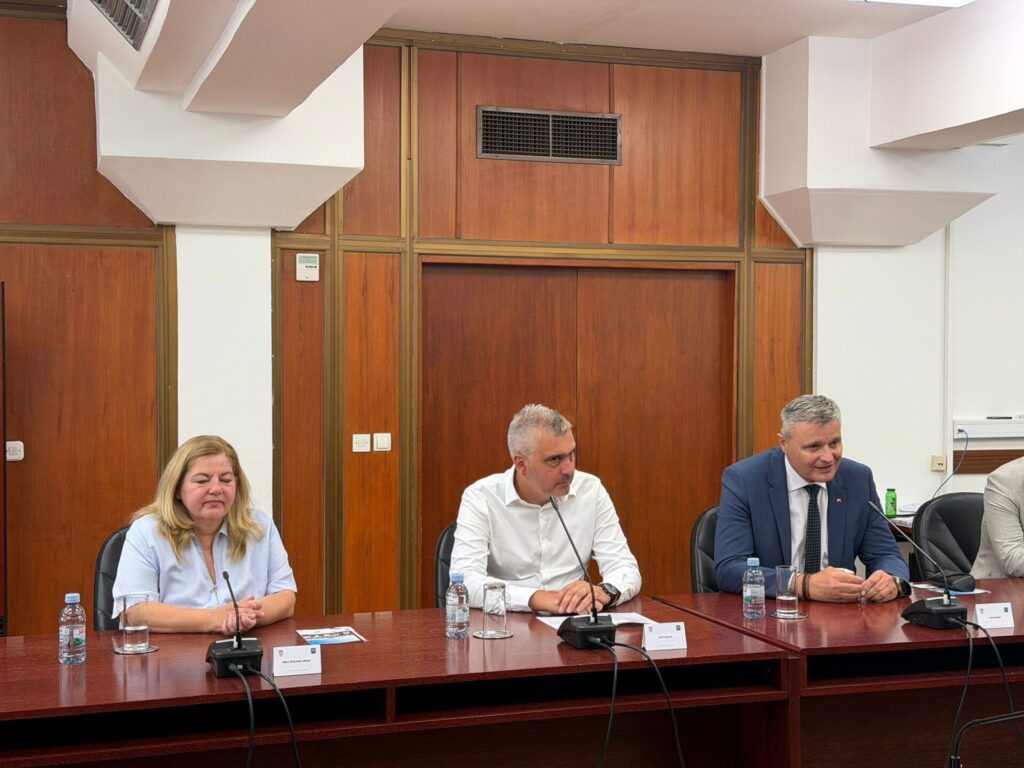
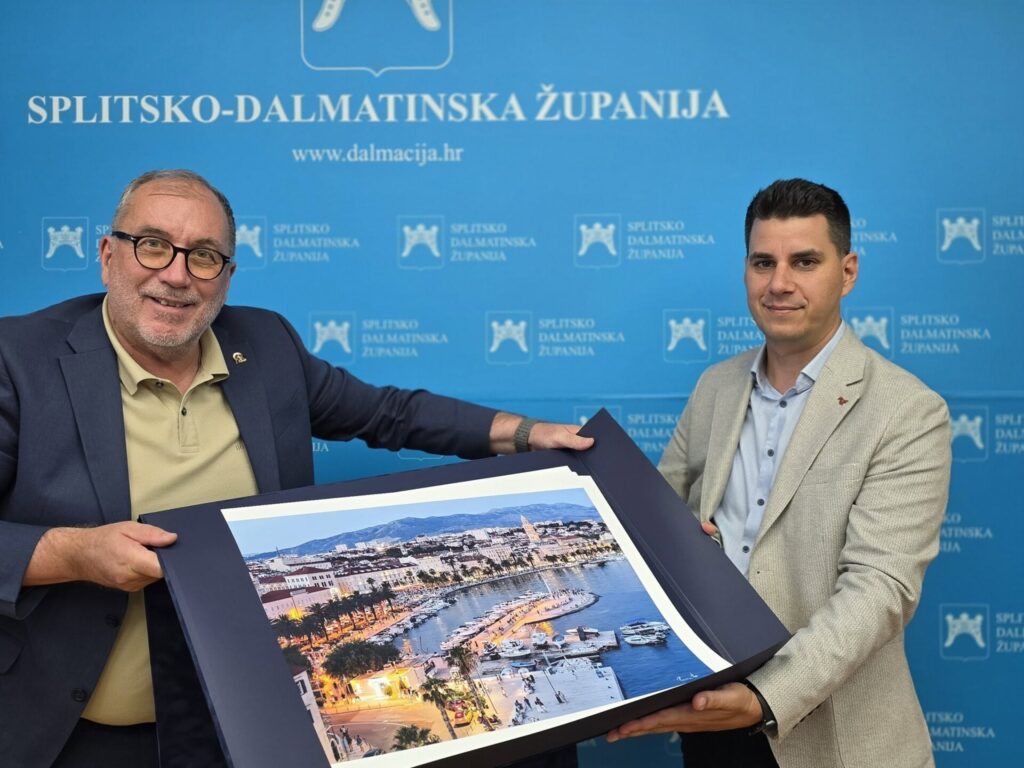
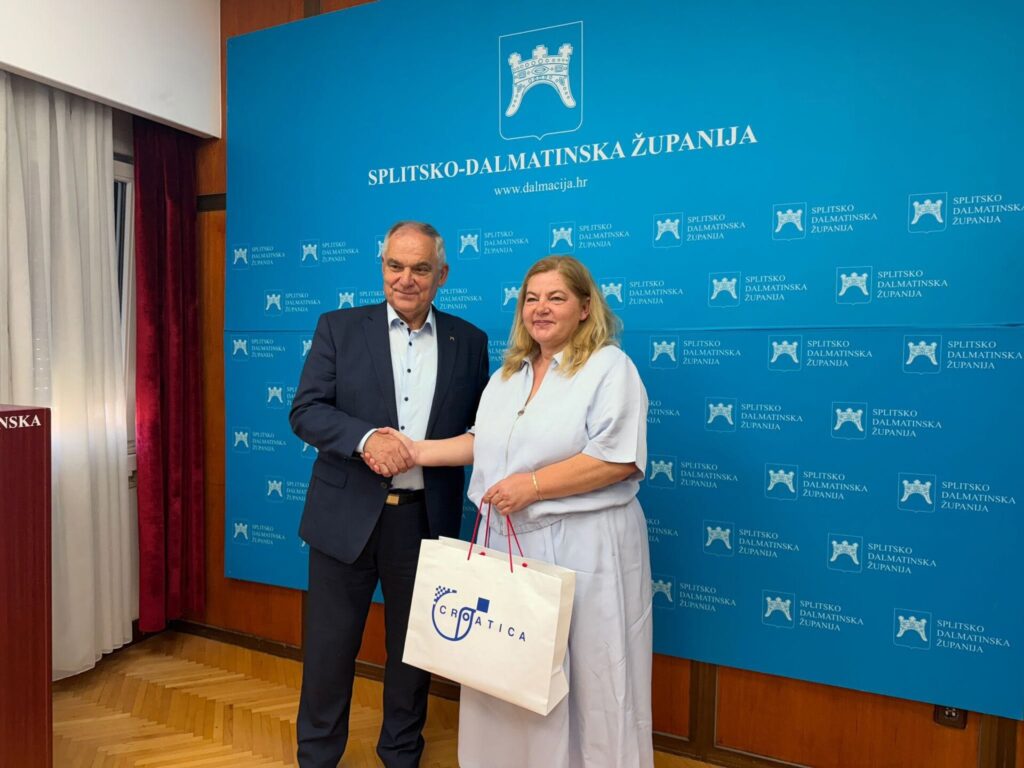
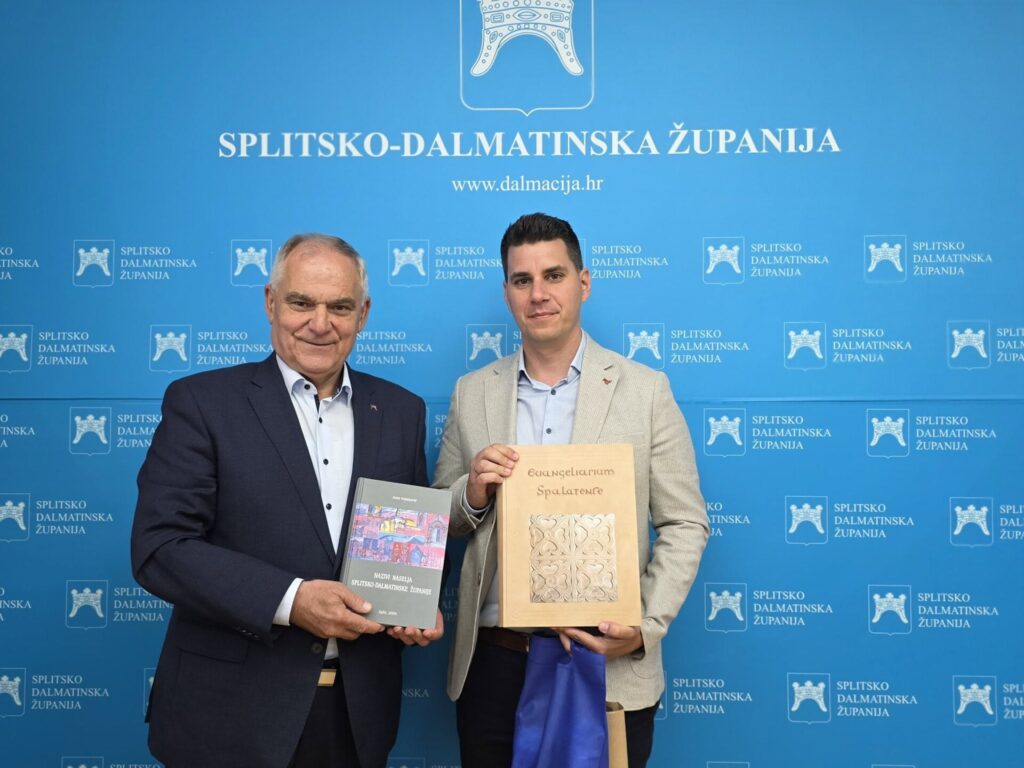
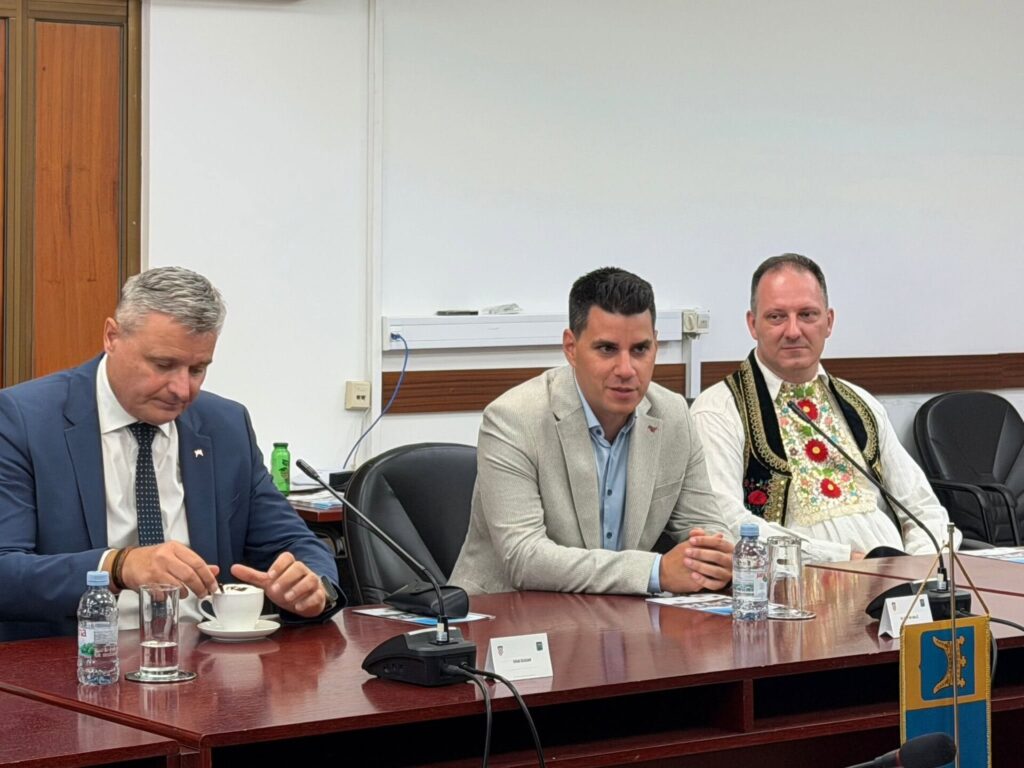
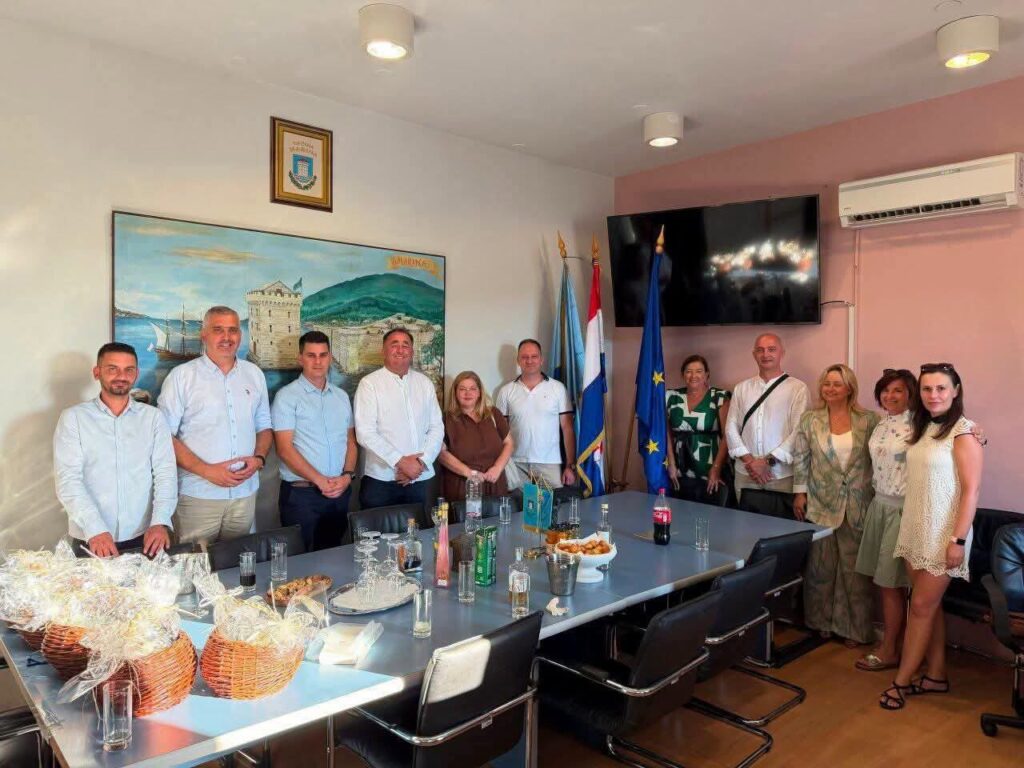
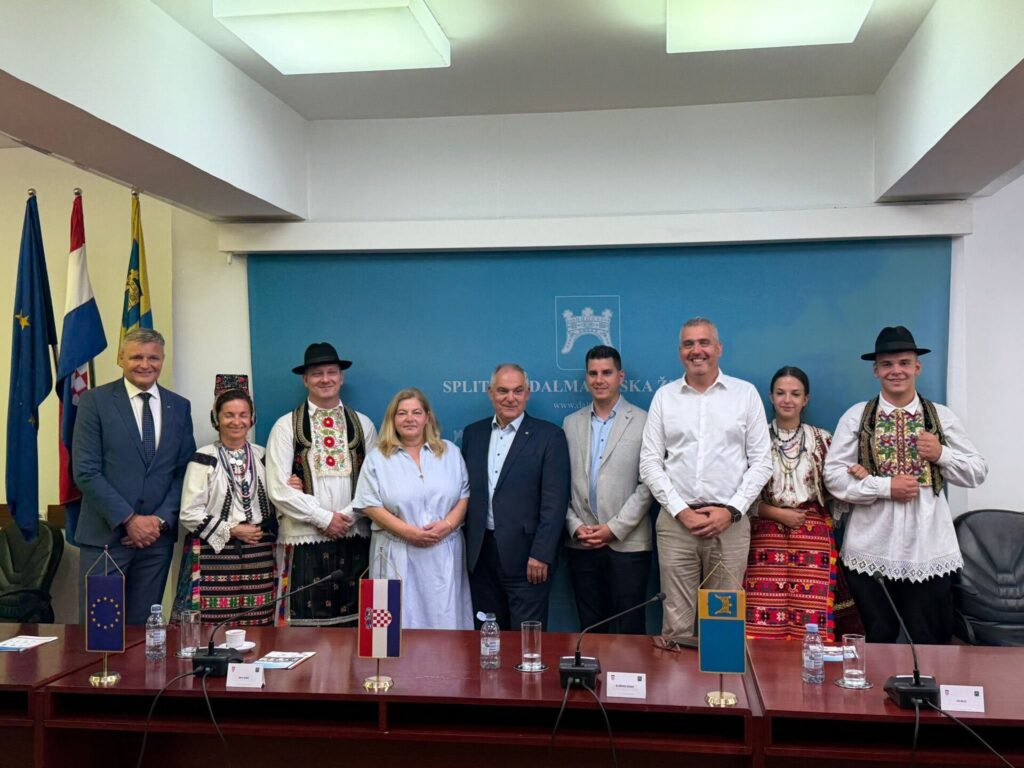
Along with the head of the Croatian Heritage Foundation – Split Branch, Ante Ćaleta and prominent program partners represented through the secretary of the Association of Culture and Arts Societies of Split-Dalmatia County, Marijana Botić Rogošić and the president of “Jedinstvo” Folklore Ensemble Emin Sarajlić; representatives of Hungarian Croats, were received by the Prefect of Split-Dalmatia County, Blaženko Boban together with the Deputy, Ante Šošić and the head of the Administrative Department for Culture, Sports and Technical Culture, Željko Primorac, as well as the Deputy Mayor of the City of Split, Ivo Bilić. All interlocutors emphasized the “domestic” atmosphere, given the intensity of last year’s and this year’s meetings, and the constructive programs to strengthen institutional and project cooperation.
A warm welcome to the guests from Hungary was also given by the Mayor of the Municipality of Marina, Ante Mamut, with associates and the director of the Tourist Board of Marina, Iva Dvornik, and the president of the “Andrija Matijaš Pauk” Art Association Diana Oštrić Rinčić and Dario Kosor.
Symbolically: “the panoramic view from the peaks of the wooded Tubes (Mecsek) – a hilly chain in southern Hungary, through the unity of the Croatian national ethnos, reached this June all the way to the valley where the Jadro, Kozjak and Marjan unite with the blue Adriatic, to the cradle of the birth of the Croatian identity”.
“Going back to your roots always carries a special strength. We may have lost our language, we may live far from where we come from, but the drive to return to our roots remains deep within us. It reminds us of who we are, where we come from and what shapes us”… from the post by “Tanac” Folklore Ensemble from Pécs.
Text: Ante Ćaleta, CHF - Split Branch; Photos: Croatica and Ivana Topić (Portal of the City of Kaštela)


