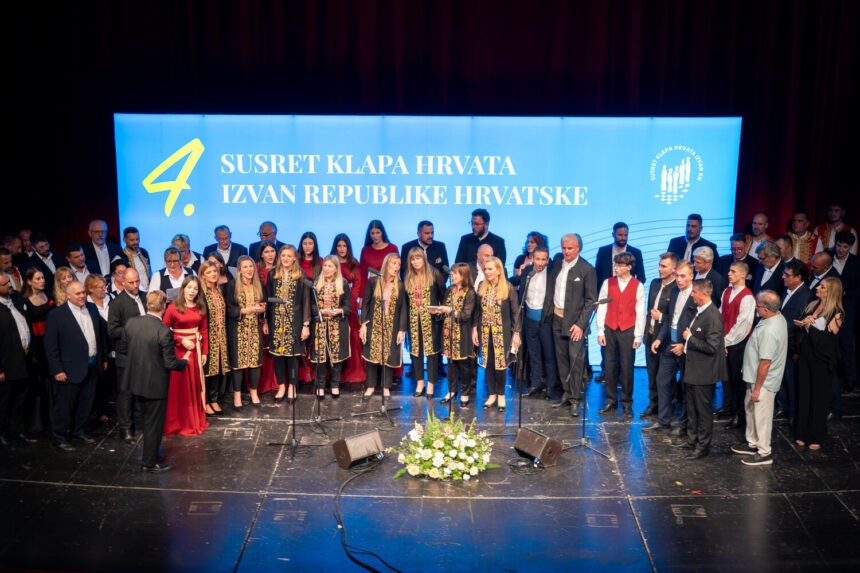
On September 28, Split became a meeting place of Croatian song, tradition and unity, connecting Croats from around the world. The Croatian National Theater in Split hosted the 4th Festival of Klapa Groups Outside Croatia, featuring nine groups from Argentina, Austria, Bosnia and Herzegovina, Montenegro, Hungary, Germany, Serbia, and Croatia.
The event was organized by the Croatian Heritage Foundation and the City of Split, with the support of the Central State Office for Croats Abroad. The project partners are Split-Dalmatia County, the Association of Cultural and Artistic Societies of Split-Dalmatia County and the Croatian National Theater in Split.
This year’s edition also carried special symbolism, as it took place in the year when the Croatian Heritage Foundation is celebrating its 75th anniversary. Split, a city whose cultural identity is strongly linked to Dalmatian song and the klapa tradition, provided a natural stage for bringing together Croatian singers from both the homeland and abroad.
Messages of Unity
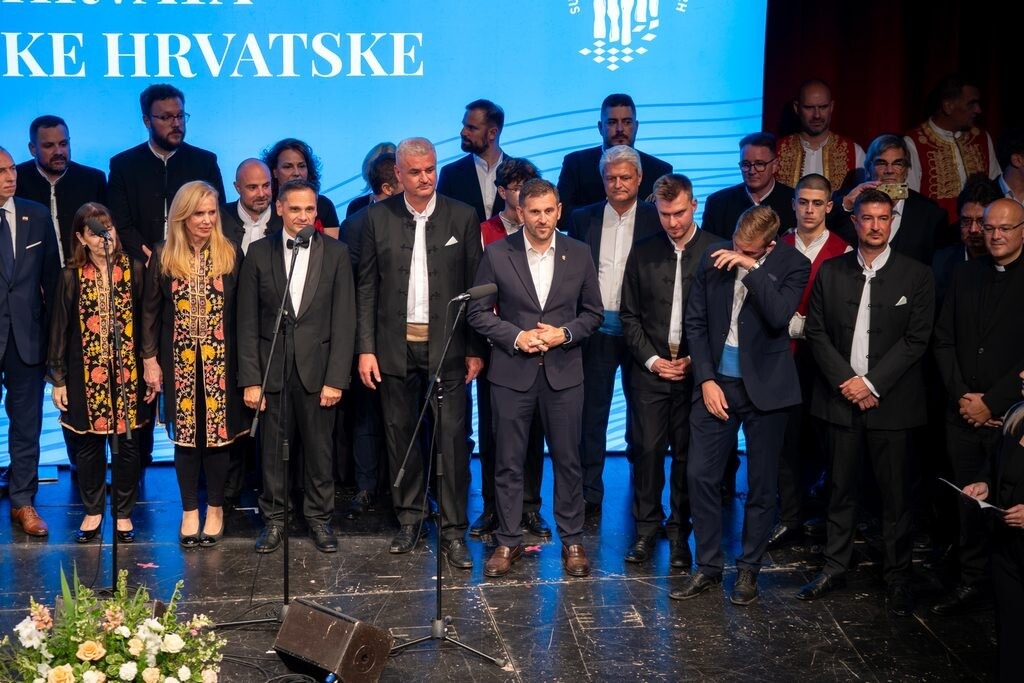
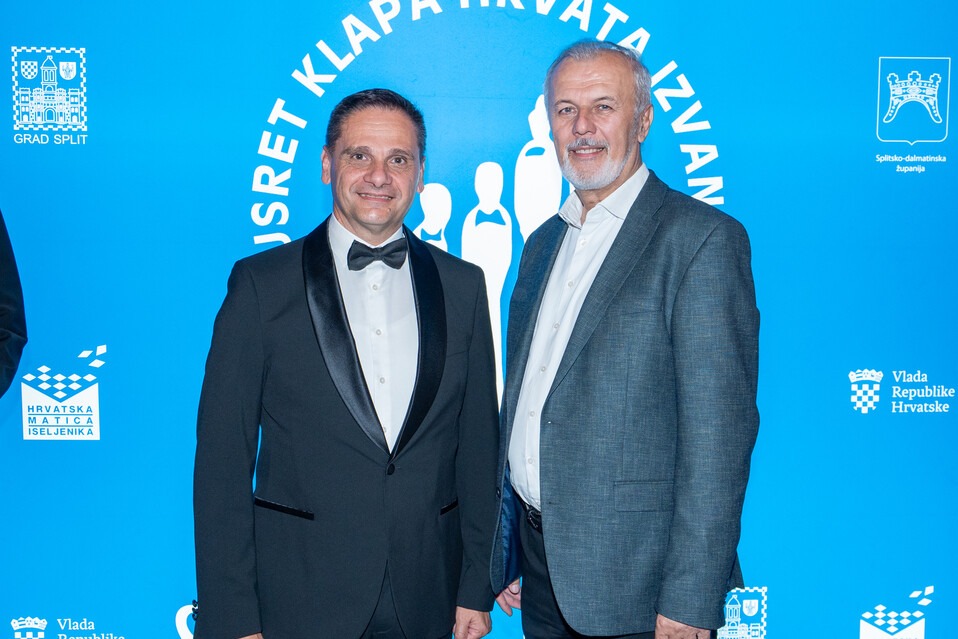
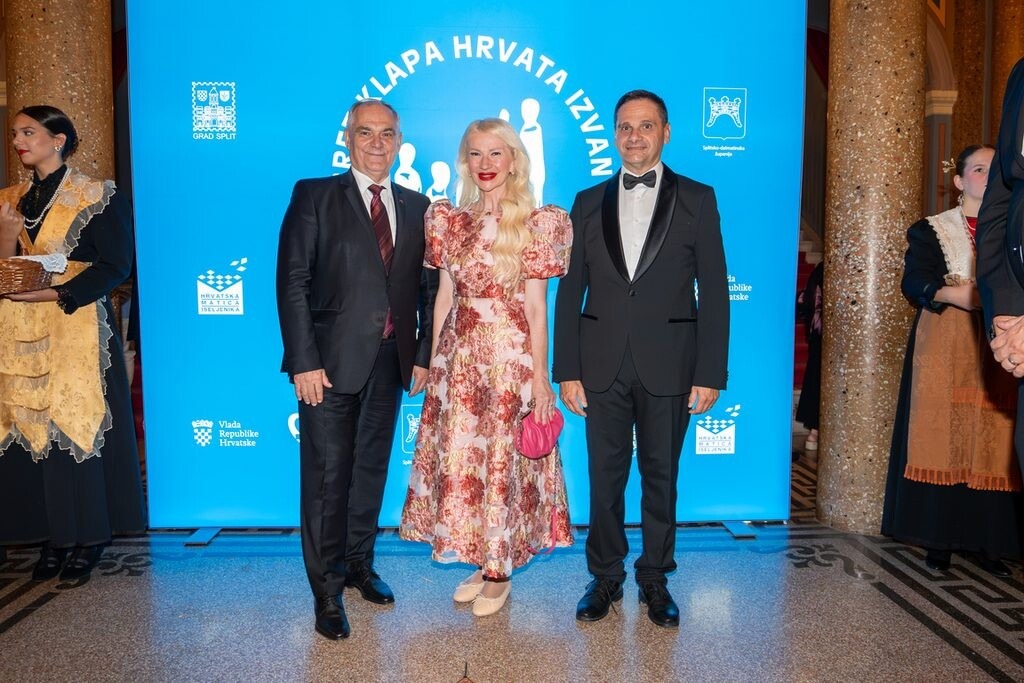
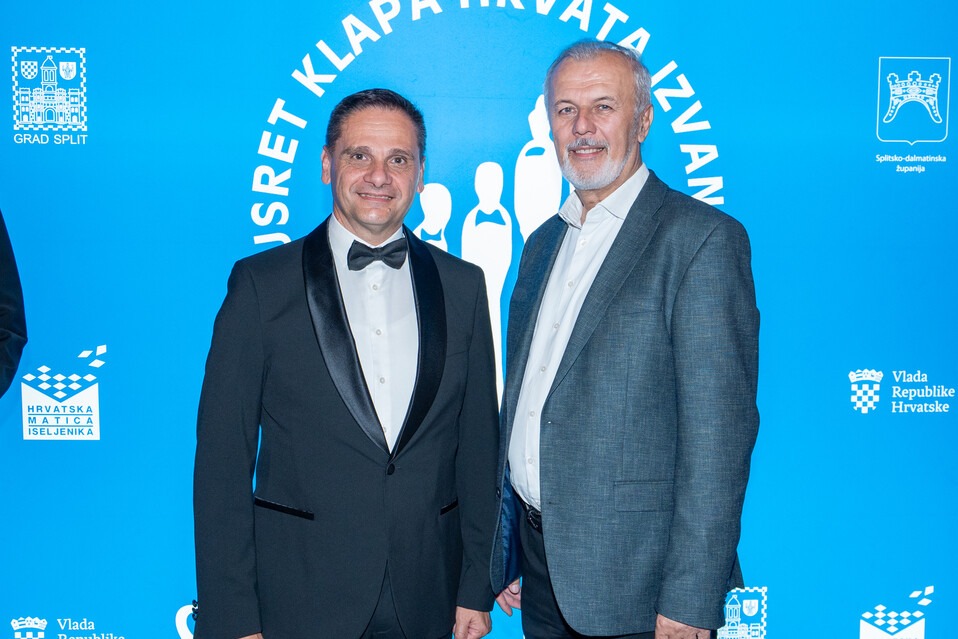
The gala concert began with appropriate speeches. On October 2, CHF Director Zdeslav Milas, M.Sc., delivered an emotional speech, greeting all concert participants and highlighting that Croatia, from all over the world, had come to Split that evening. He emphasized the value of third- and fourth-generation descendants, far from their homeland, preserving a unique musical expression – klapa singing – and added that the Croatian Heritage Foundation exists for all those who will continue to cherish this tradition.
“May Split sing tonight, may Croatia sing, and may Croatian songs be heard everywhere Croats live,” said Director Milas, thanking the Government of the Republic of Croatia for its patronage and the Festival’s other co-organizers and partners.
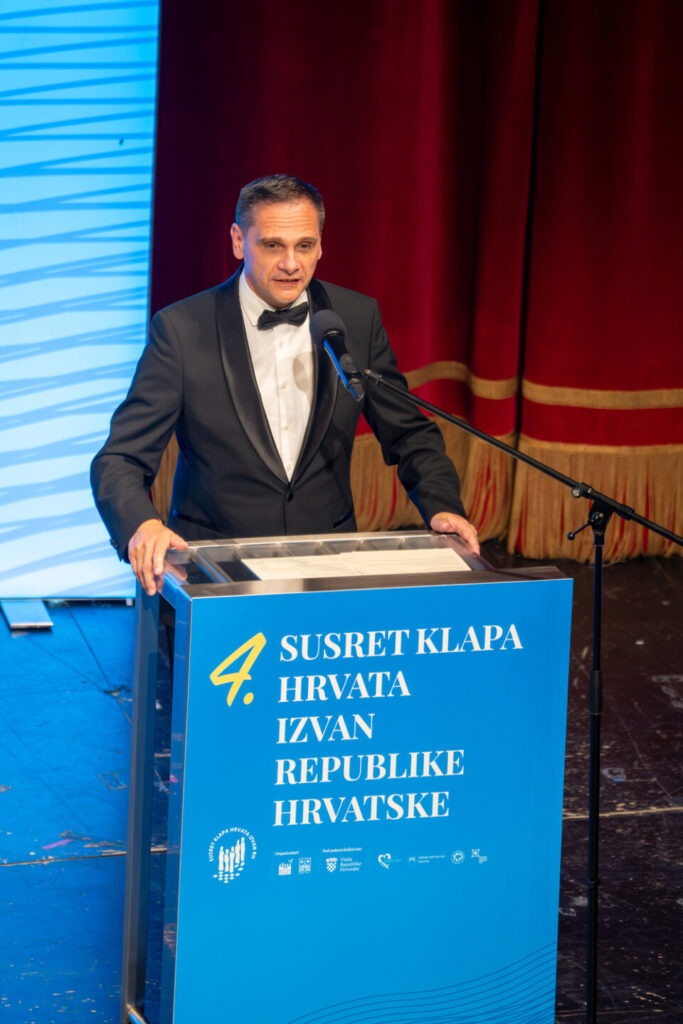
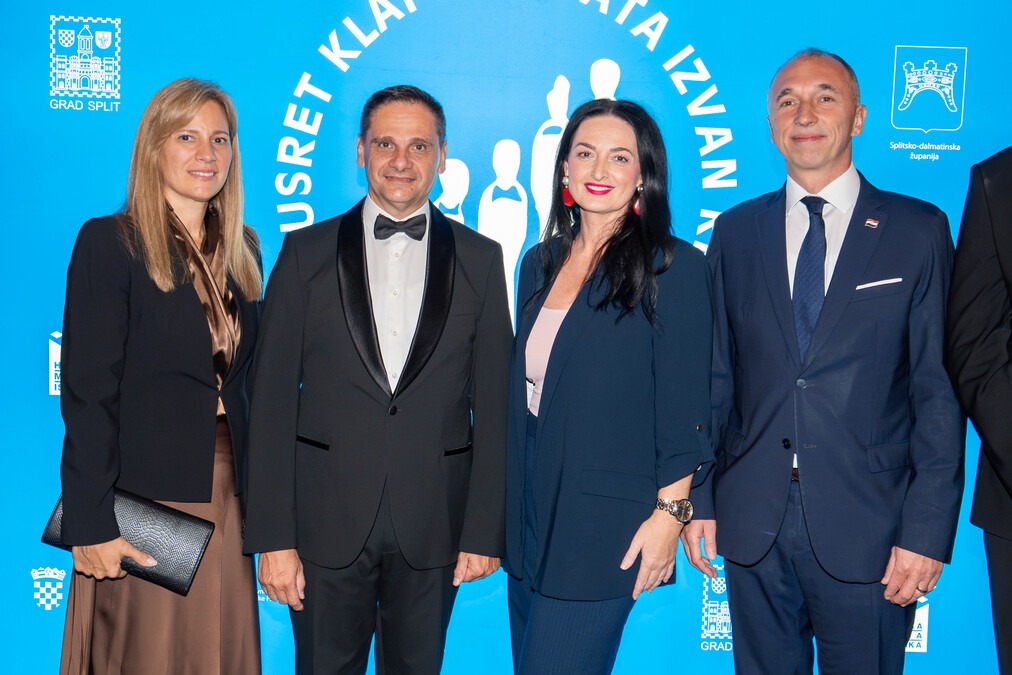
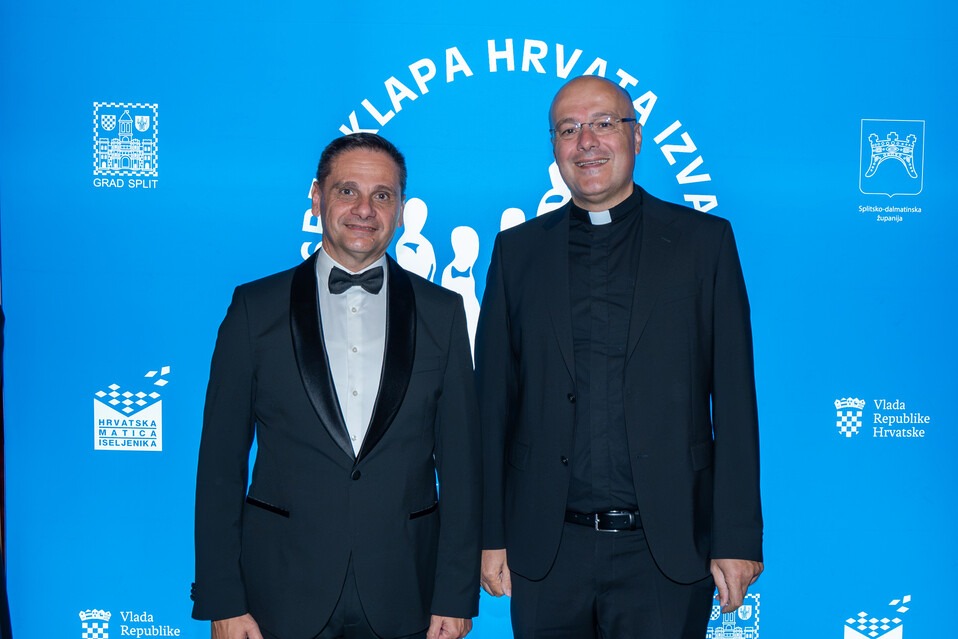
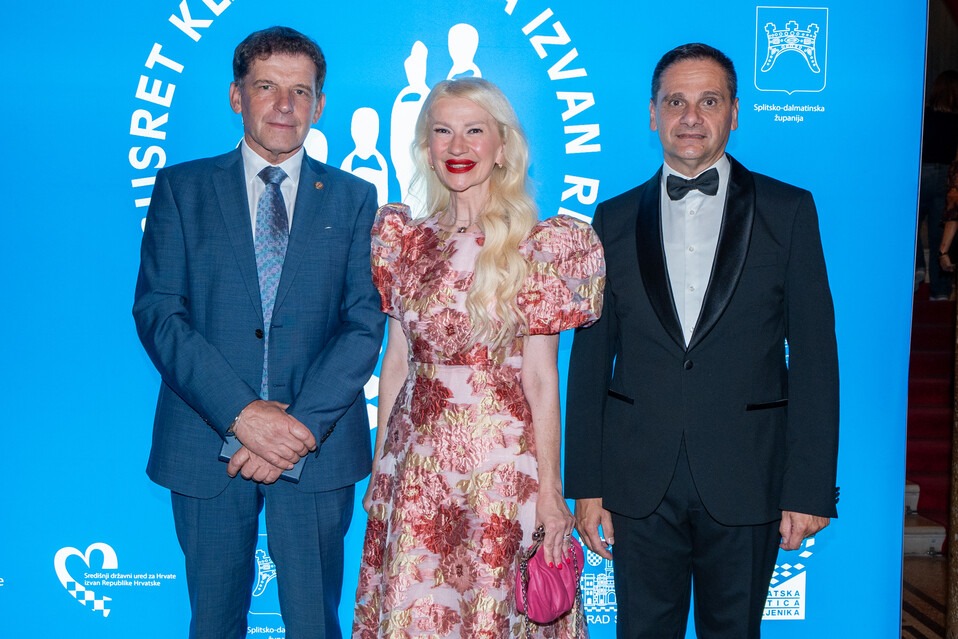
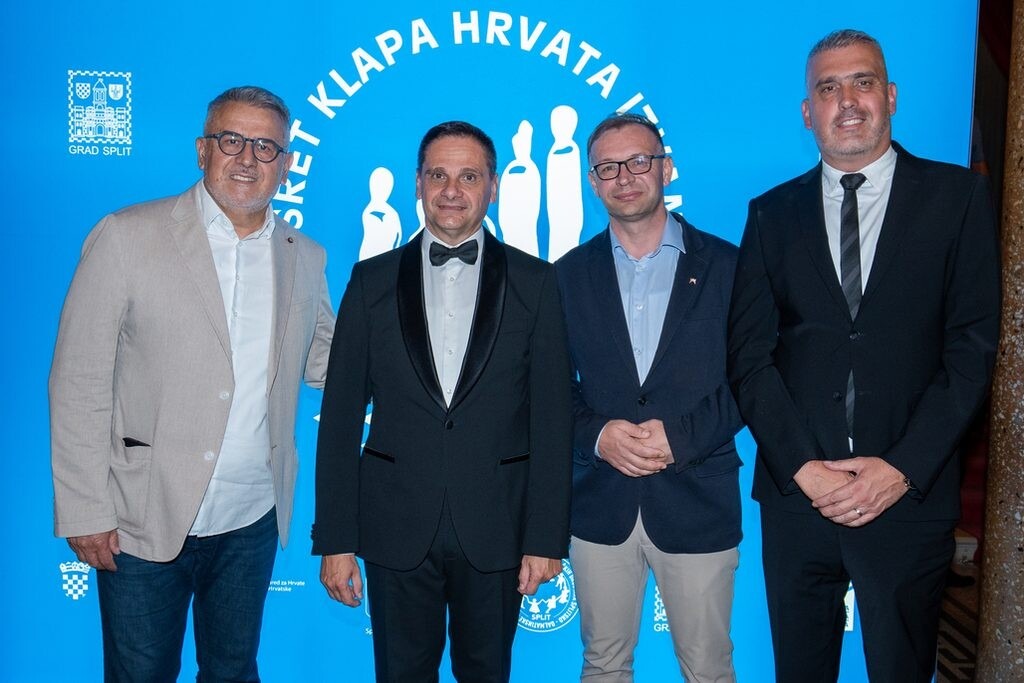
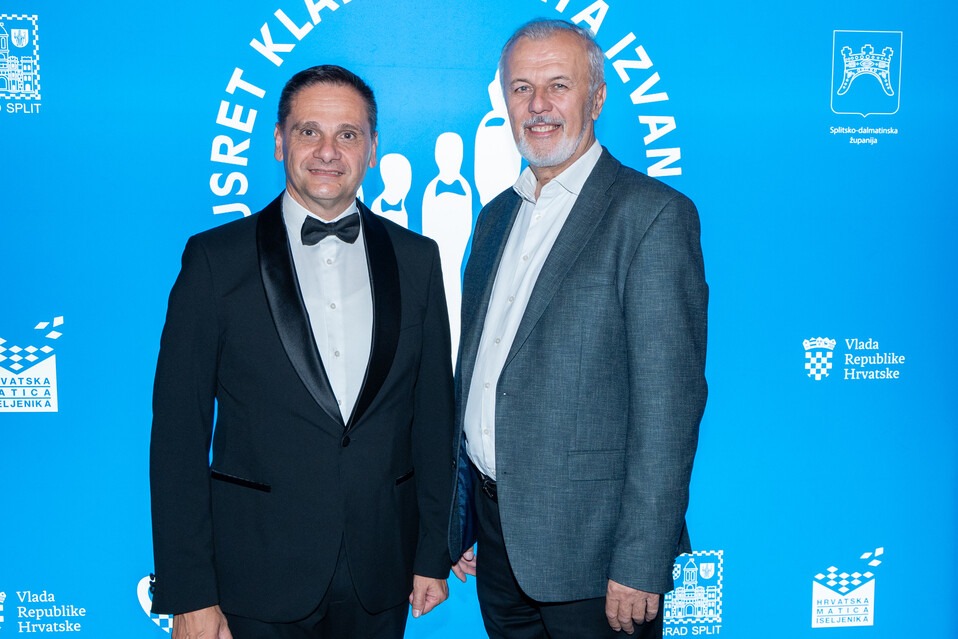
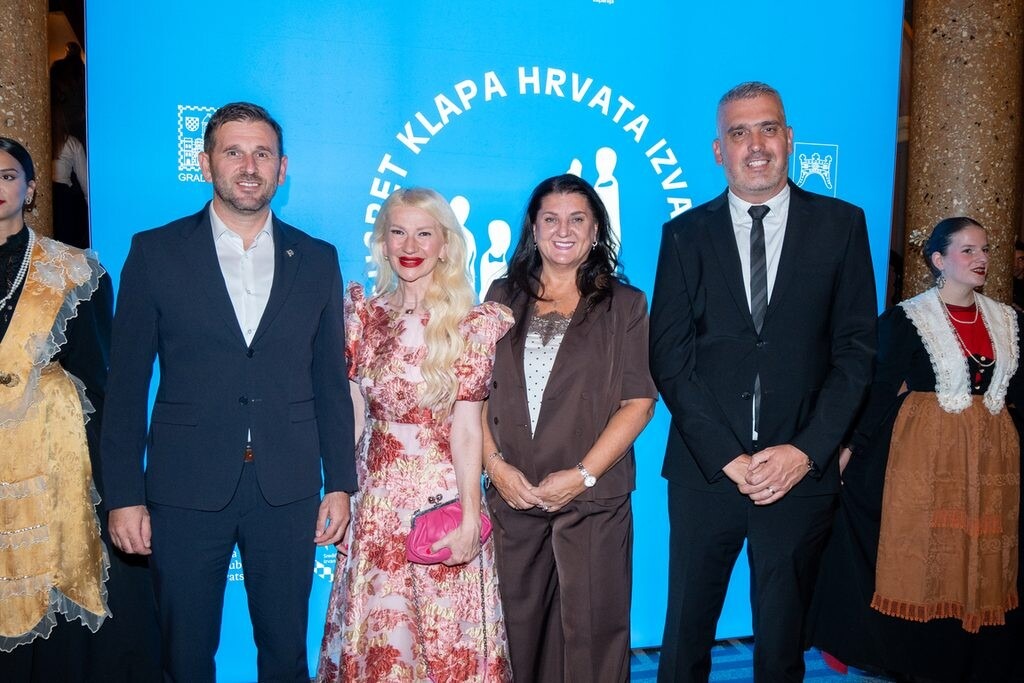
Tomislav Šuta, Mayor of Split, said that the City of Split will continue to support such events because Split and Dalmatia are the cradle of klapa music. Blaženko Boban, Prefect of Split-Dalmatia County, also emphasized that there was “one soul and one heart” in Split that evening. Through the county project “Returning to Your Roots”, communities and associations of Croats living outside Croatia are hosted in Split throughout the year, the Prefect said, and from the stage he addressed Croats around the world: “Find the time and return to your home.”
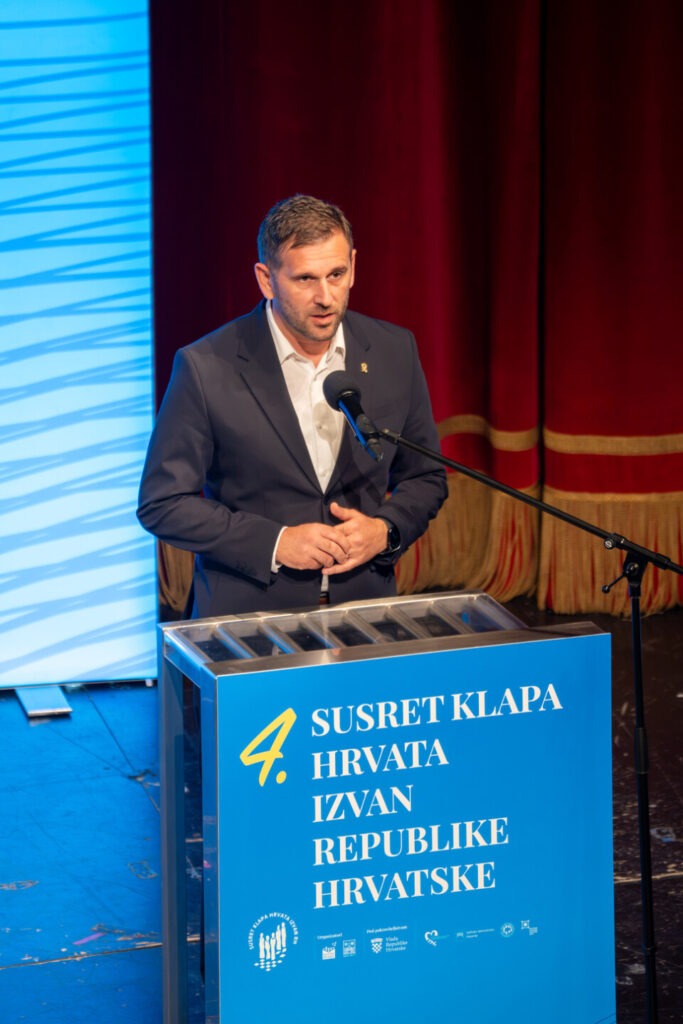
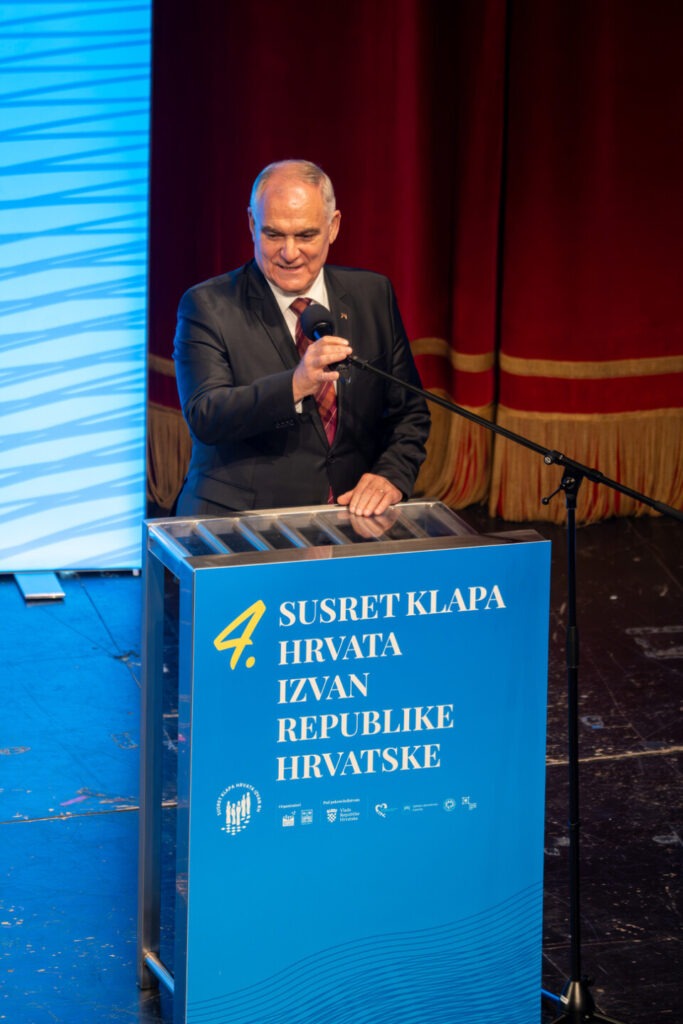
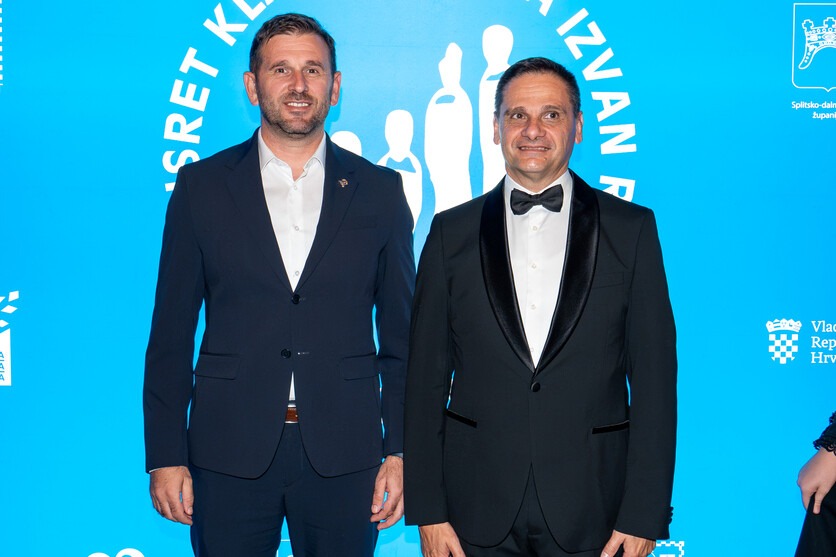
The attendees were also greeted by the Special Envoy of the Prime Minister of the Republic of Croatia – Andrej Plenković, Dario Magdić, Deputy State Secretary of the Central State Office for Croats Abroad, who emphasized that each participant brought to the stage of the Croatian National Theatre in Split a part of the experience of the Croatian community in which they are active. Magdić highlighted that klapa singing is one of the most powerful symbols of Croatian culture and that its value lies not only in the fact that it is included in UNESCO’s Representative List of the Intangible Cultural Heritage of Humanity, but also in the fact that it is often the first encounter with the Croatian language for Croats living outside their homeland. He added that the Government of the Republic of Croatia would continue to support projects of strategic importance for preserving the Croatian identity among Croats living outside the homeland.
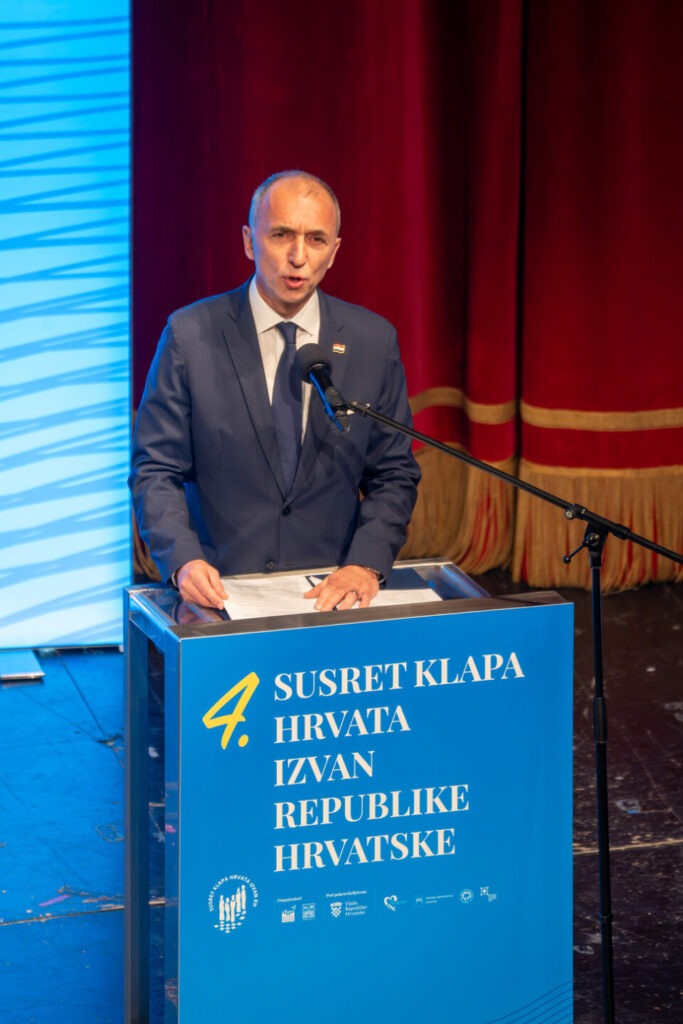
Among the distinguished guests was Ante Sanader, envoy of the Speaker of the Croatian Parliament, Gordan Jandroković, and a member of the Croatian Parliament.
Klapa Tradition in Performances by Different Generations
The musical part of the evening was opened by the youngest participants – members of the mixed children’s klapa Maestral from Dugopolje. They performed the songs Majko, igla i bičvica and Kod Lepanta, sunce moje, associated with the musical legacy of Ljubo Stipišić Delmata. The performance of young singers alongside groups with decades of experience once again showed that klapa singing is not only a heritage to be preserved but also a living tradition that finds its future in new generations.
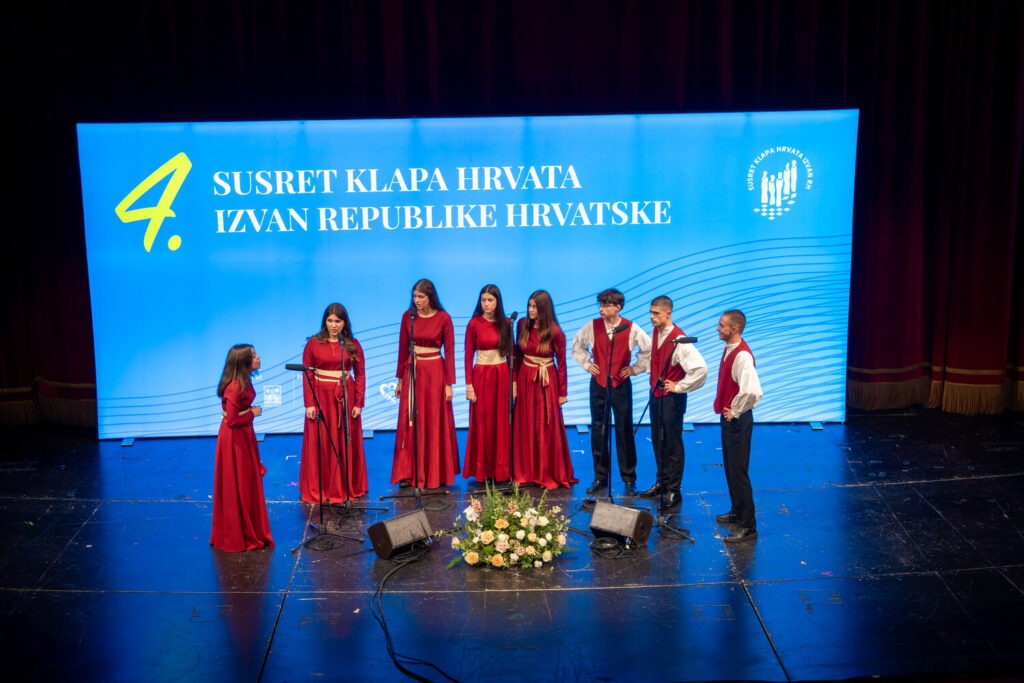
The klapa Grga arrived from Posušje and performed the songs Ti si nestala tiho and Cvijet čežnje. The women’s klapa Bellezza from Tivat brought a blend of traditional and original expression with their performances of Veselo srce kuđelju prede and Sama nasrid porta.
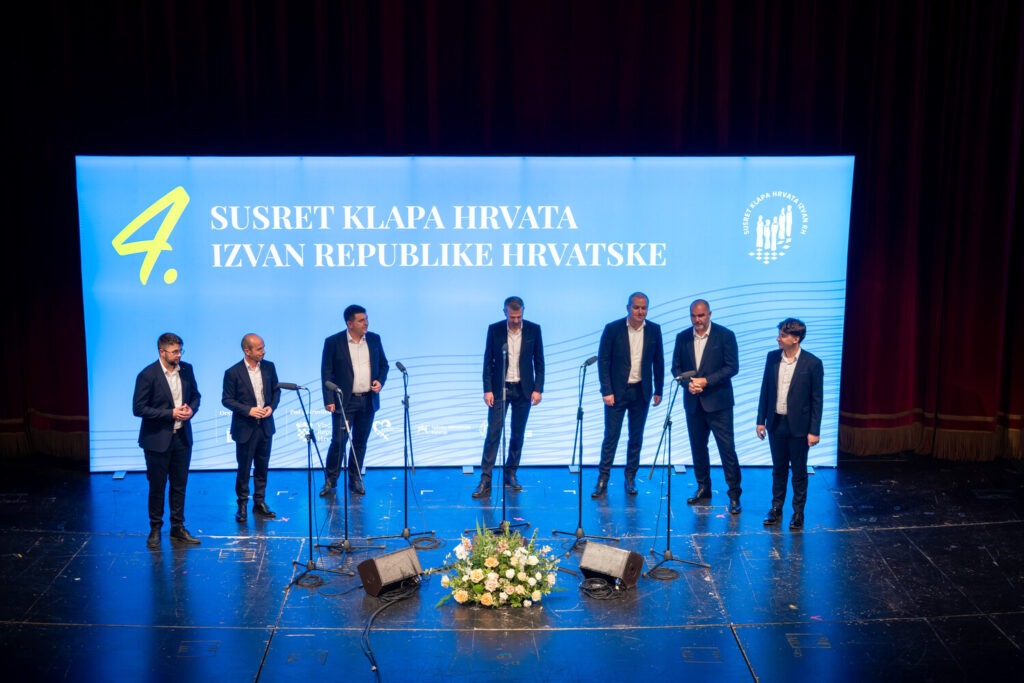
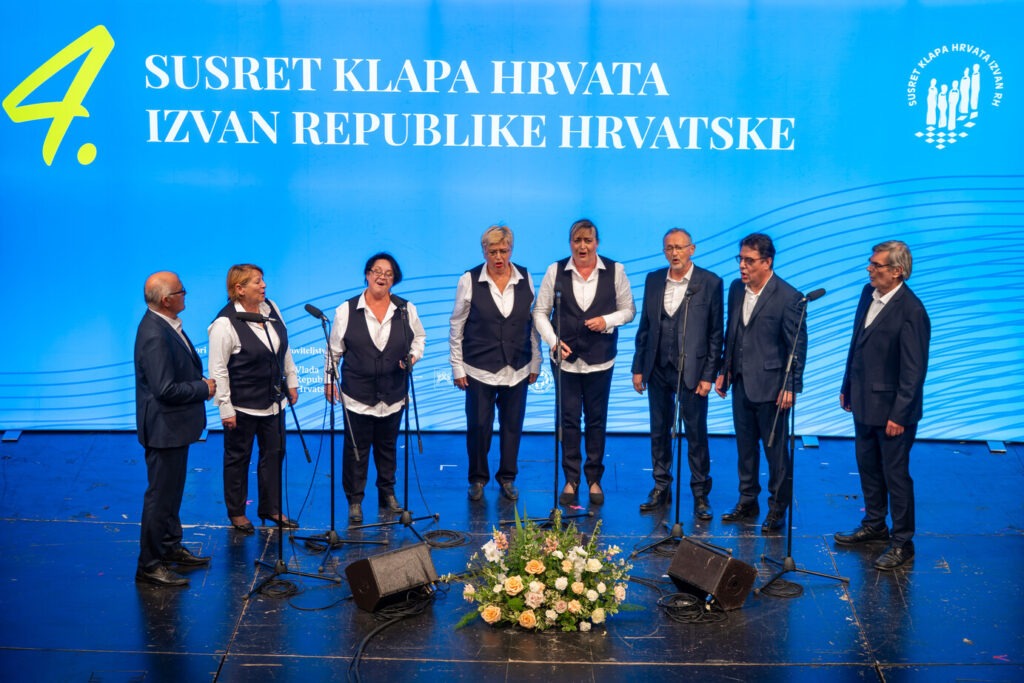
Dičaki iz Gradišća then took the stage at the Split Croatian National Theater; the group members come from Austria and Hungary. Their performance connected klapa singing with the old Burgenland-Croatian tradition through the songs Ponoć je, mila moja majko and Gizdav sam da sam Hrvat / Tovaruši moji.
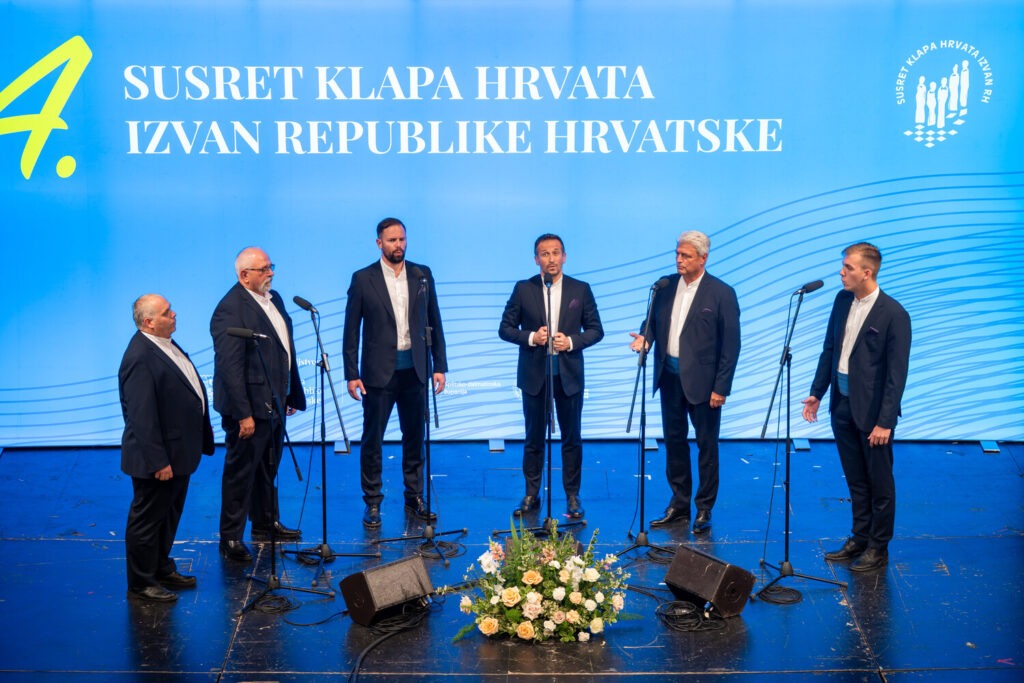
The Croatian community from Vojvodina was represented by the mixed klapa group Jelačić with performances of Moja jube and Vraćam ti se, more, ja. The klapa Bratovština arrived from Gorica-Sovići, performing the Imotski song U grobu su tamne noći and the song Tanja.
From Buenos Aires to Munich
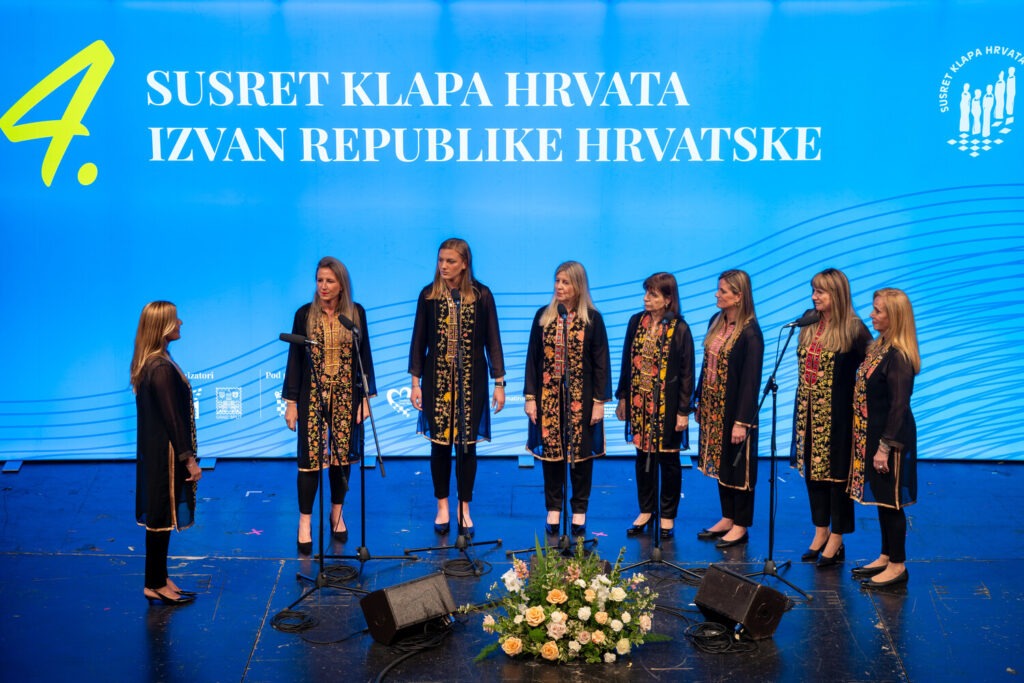
The longest journey to Split was made by members of the female klapa group Valovi from Buenos Aires, second- and third-generation Croatian emigrants in Argentina. They presented themselves to the audience with the compositions Zemlja and Umiri se, more. The klapa Croatia from Munich, one of the groups with the longest tradition among this year’s participants, traveled from Germany and performed Sine moj and Jubav moja. The guest klapa group Krunik from Kučine performed the songs Gledaj na leroj and Dalmatino moja.
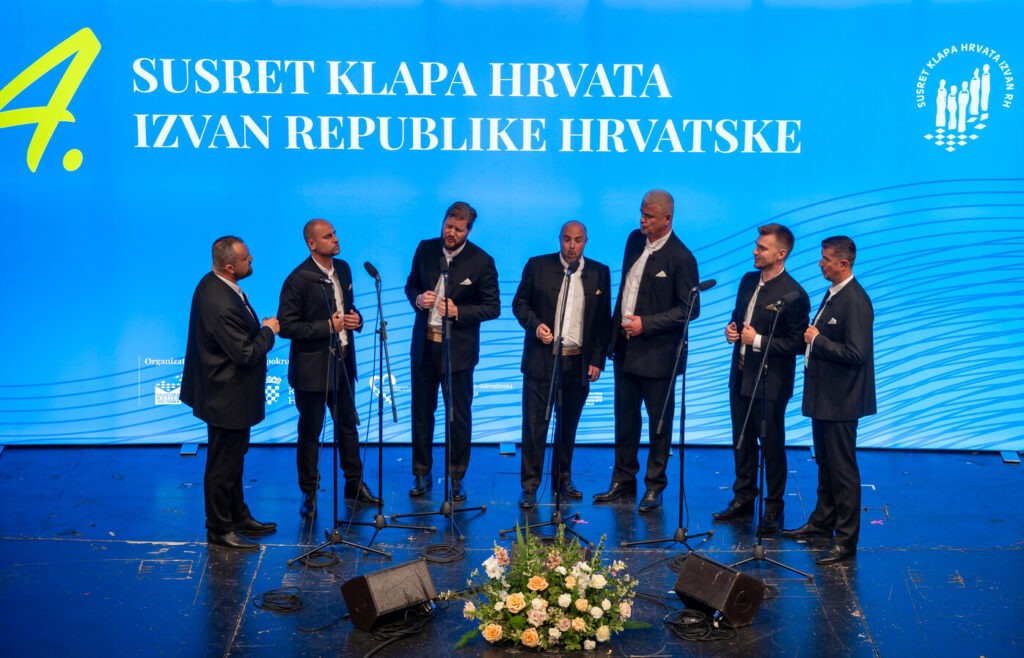
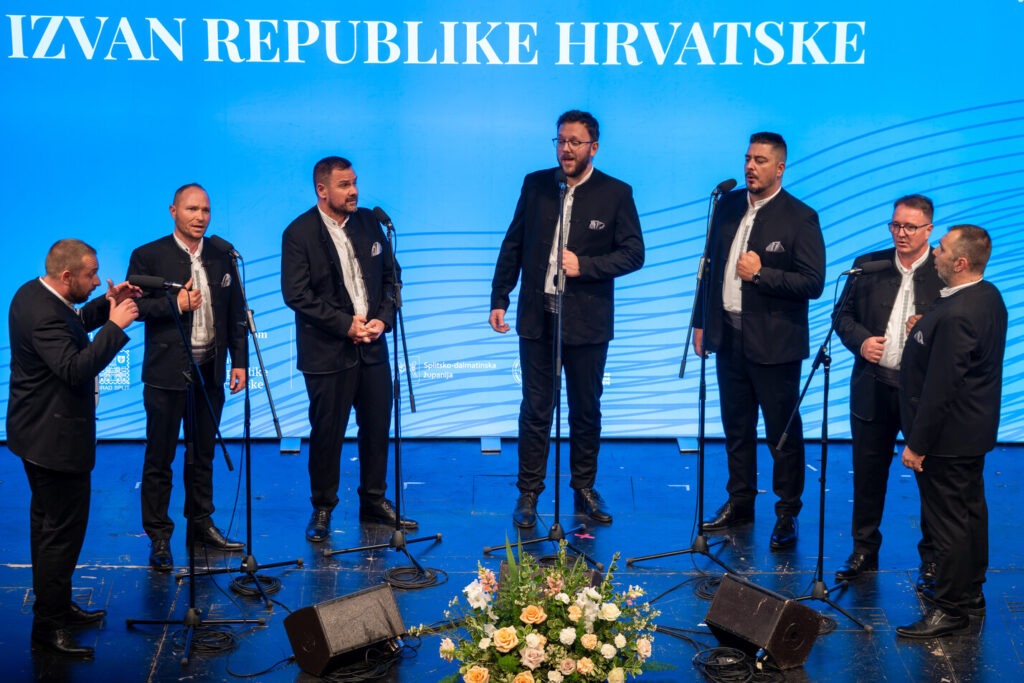
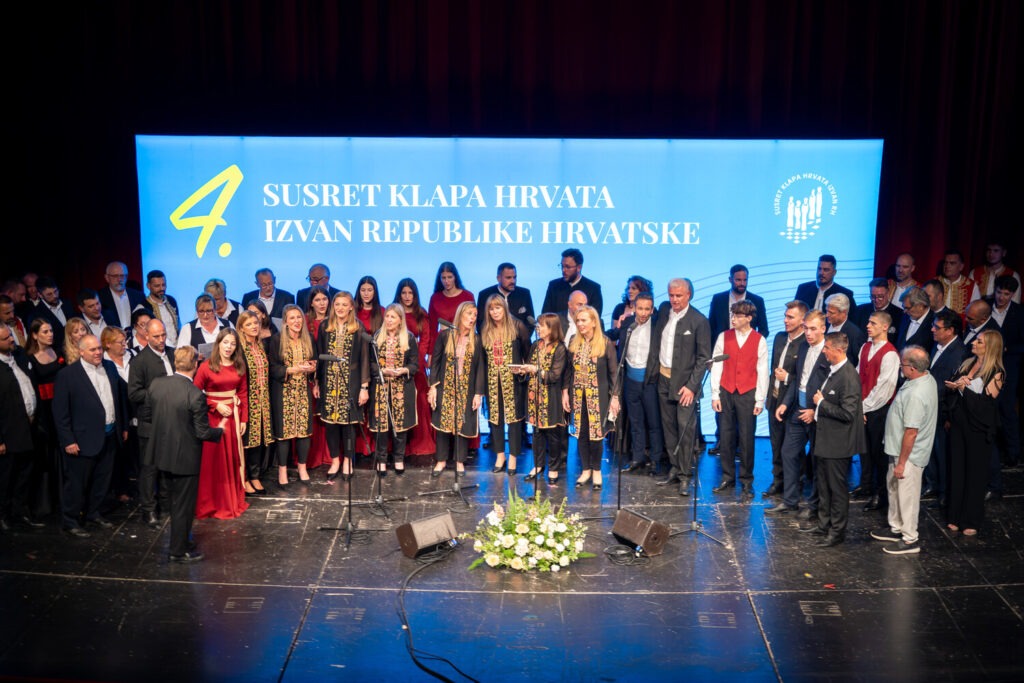
Different musical stories and the places the performers come from came together at the concert finale. All the program participants performed together the composition Zvona zvone prijatelji by David Kovačić, arranged by Joško Ćaleta, concluding the evening in the spirit of song, emotion, and togetherness.
Joško Ćaleta, the prominent ethnomusicologist, conductor, and connoisseur of Croatian traditional music, once again headed the artistic direction of the 4th Festival. With the program concept, he connected different communities, generations, and forms of klapa expression, showcasing the breadth of the tradition cherished among Croatian communities worldwide.
Čuvarice niti and an Evening of Friendship
The event program began the evening before, on September 27, when the Croatian digital edition of the book Čuvarice niti – 25 priča o hrvatskoj baštini ispričanih glasom žena iz Latinske Amerike was presented in the foyer of the Croatian National Theater in Split. The publication presents 25 life stories of women of Croatian origin from Latin America, and it was created at the initiative of the CroActivas network of Croatian women in Latin America. The book was edited by Diana Arias and Jelena Nadinić, and the Croatian edition is published by the Croatian Heritage Foundation.
After the book presentation, an Evening of Friendship was also held, meaning this year’s program went beyond a single concert event and created space for encounters, networking, and the exchange of experiences among participants.
Song as a Lasting Connection to the Homeland
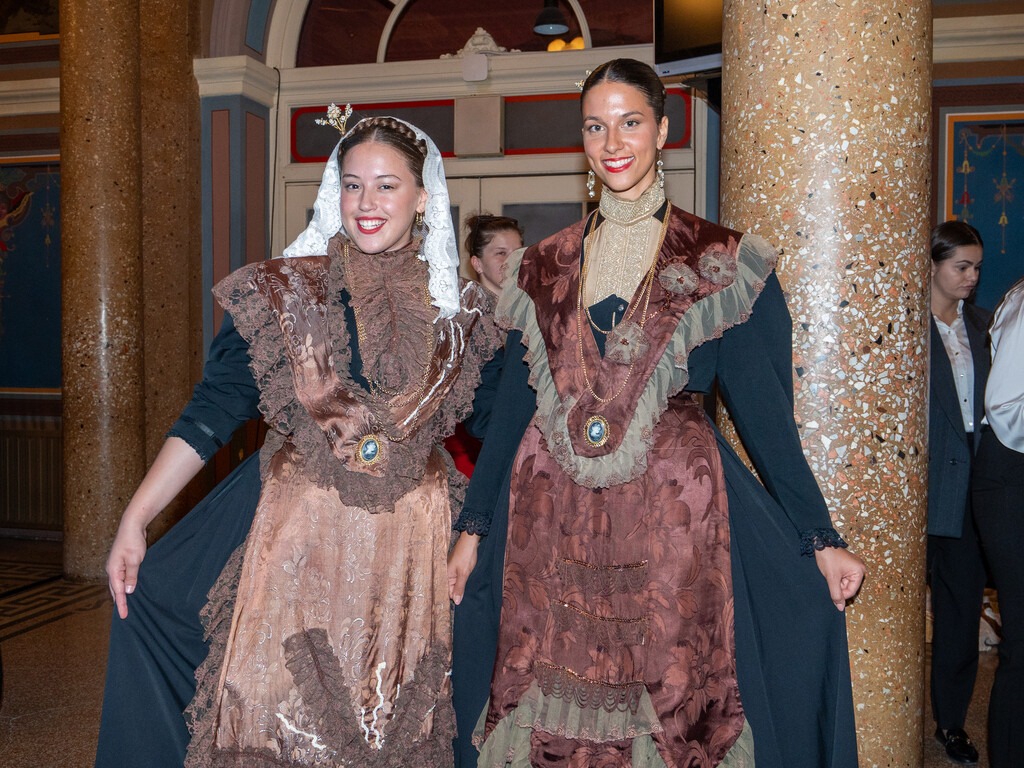
The fourth edition of this event once again demonstrated the diversity of the stories of Croatian communities abroad, but also how strongly they are connected by language, music, tradition, and a sense of belonging. From the Burgenland Croatian jački and traditional Dalmatian melodies to the repertoire nurtured for decades in Munich, Vojvodina, Bosnia and Herzegovina, Montenegro, and Buenos Aires, the stage of the Split Croatian National Theater has become a place where different paths of Croatian musical heritage come together.
The gathering thus continues to fulfill its fundamental mission – to connect Croats living outside the Republic of Croatia with their homeland, but also with each other. Connections are not only formed through klapa singing but also through new friendships, collaborations, and joint performances that now take place far beyond Croatia’s borders. Klapa singing has traveled across generations and thousands of kilometers, changing the stages and regions where it is performed, but it has never lost its connection to its homeland.
Text: CHF/ Photo: Mario Jelić