


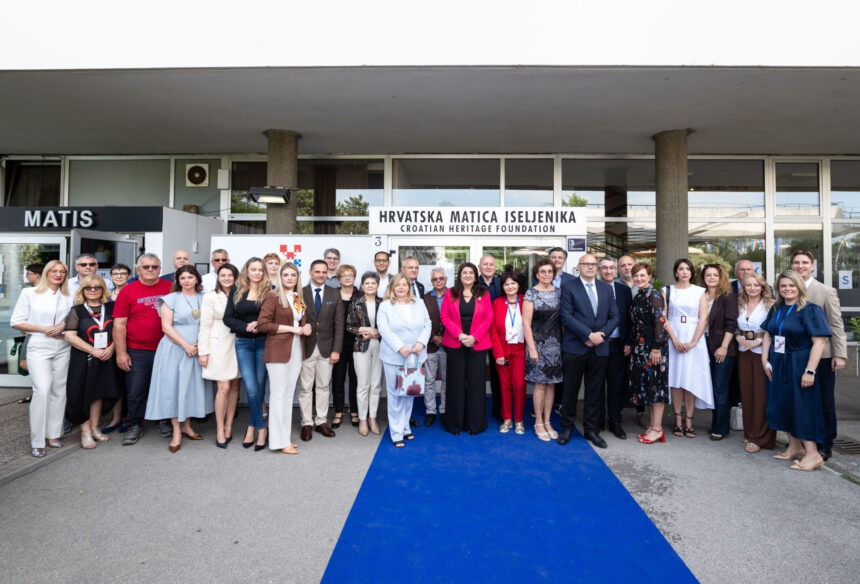
As part of the Week of Croats Abroad, taking place in Zagreb, a round table titled “Media of Croats Abroad” was held at the Croatian Heritage Foundation. This meeting of representatives of the media from the diaspora, the media of the Croatian national minority and the media from Bosnia and Herzegovina represents the first step of the CHF’s effort to network Croatian media abroad – with each other, as well as with the media in Croatia
The round table aimed to open a permanent space of dialogue and cooperation and encourage the creation of a stronger network of Croatian media throughout the world, with the institutional support of the Central State Office for Croats Abroad and the Croatian Heritage Foundation, on whose behalf the gathered were welcomed by State Secretary Zvonko Milas and CHF Director Zdeslav Milas.
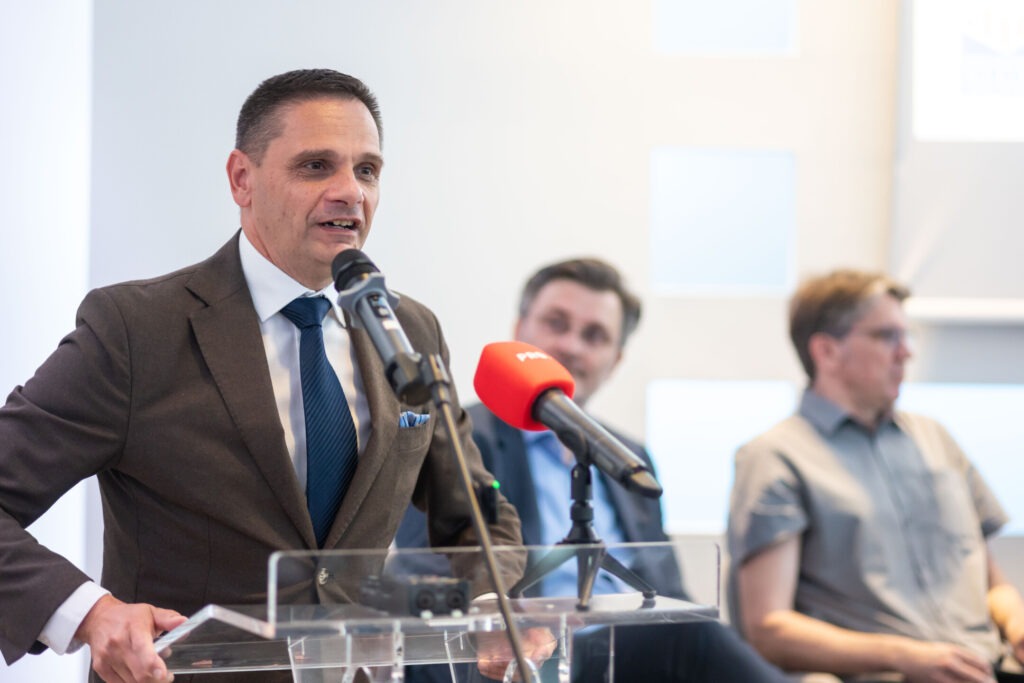
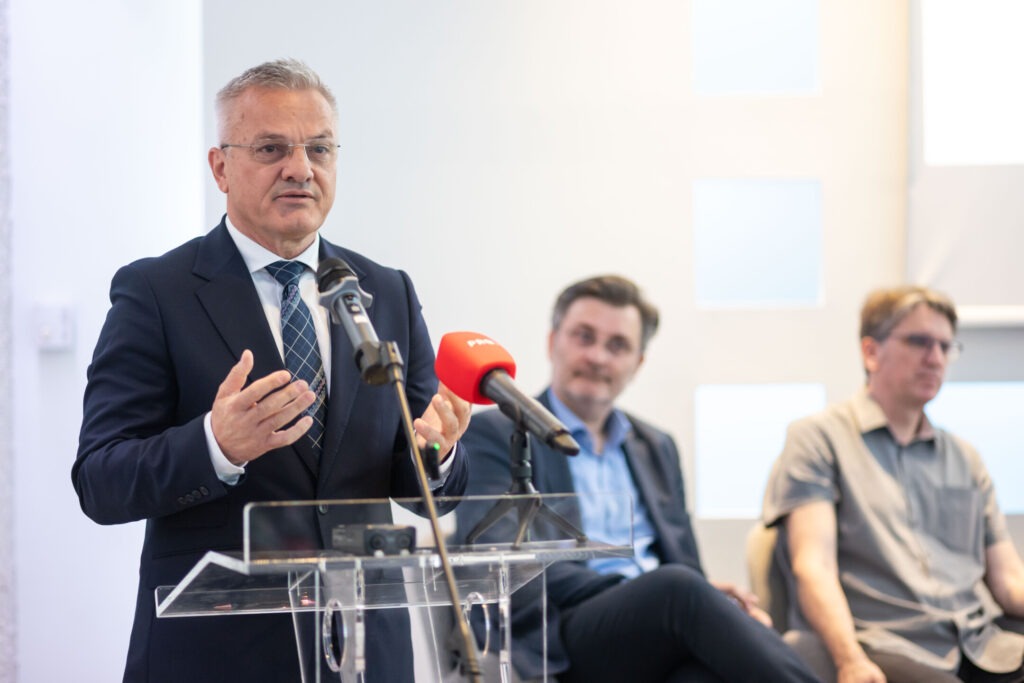
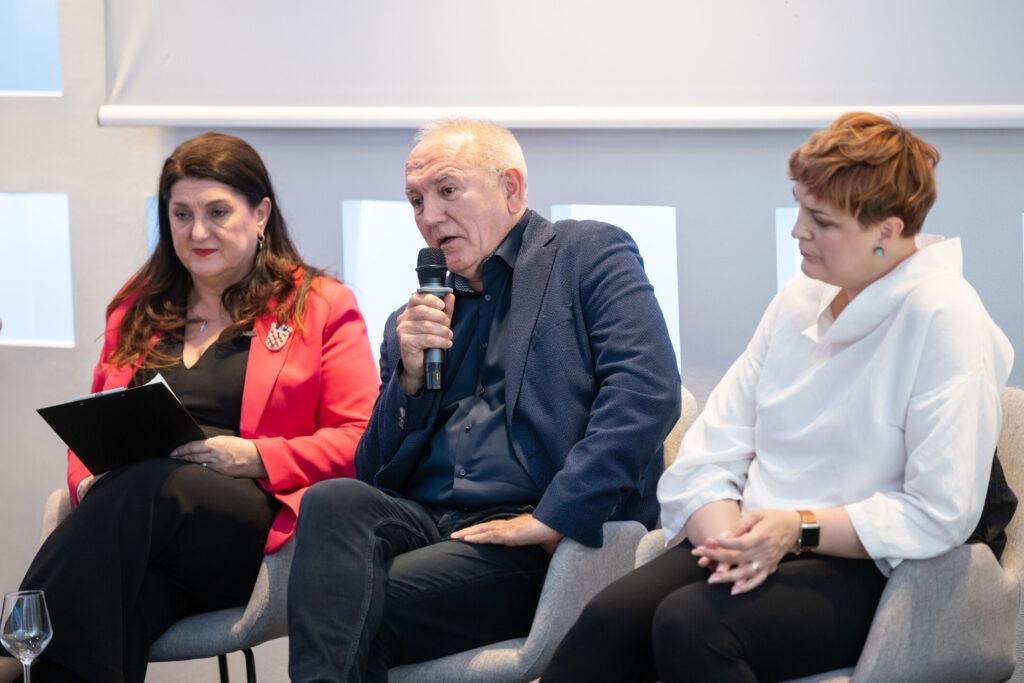
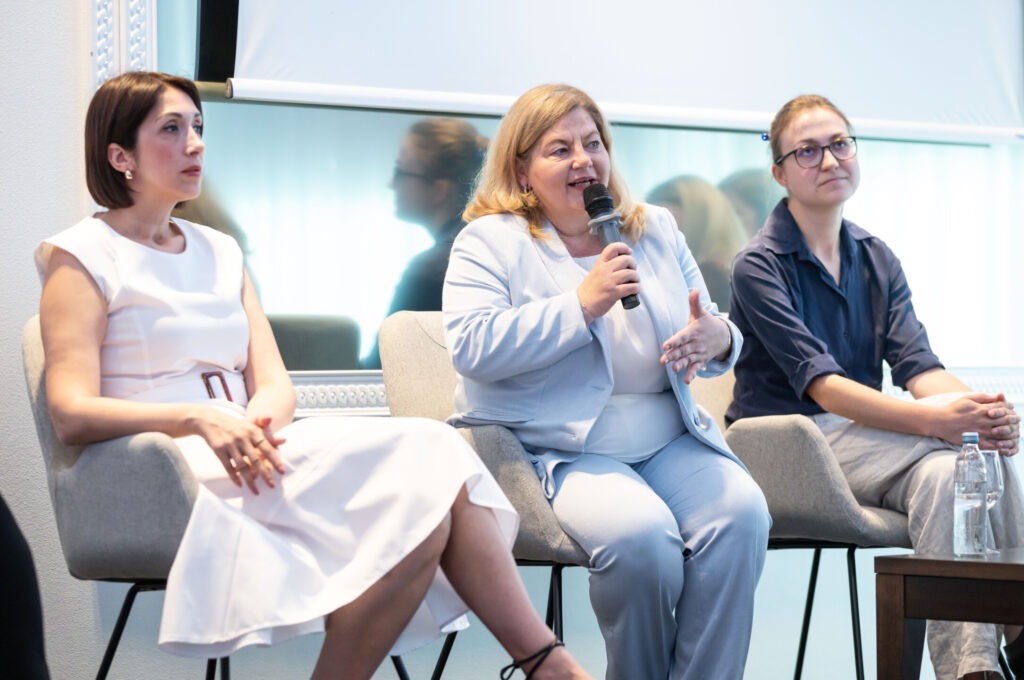
The round table was attended by leaders of publishing houses and editors of some of the most important Croatian media abroad, and discussed how newspapers, portals, radio stations, television and podcasts preserve language and cultural memory, strengthen visibility, and create space for articulation of the meaning and position of the Croatian community in the public of the country of domicile. Special emphasis was placed on their professional and social functions – informing, connecting generations and regions, preserving minority rights, building trust and credibility, and contributing to integration with bilingual and intercultural formats.
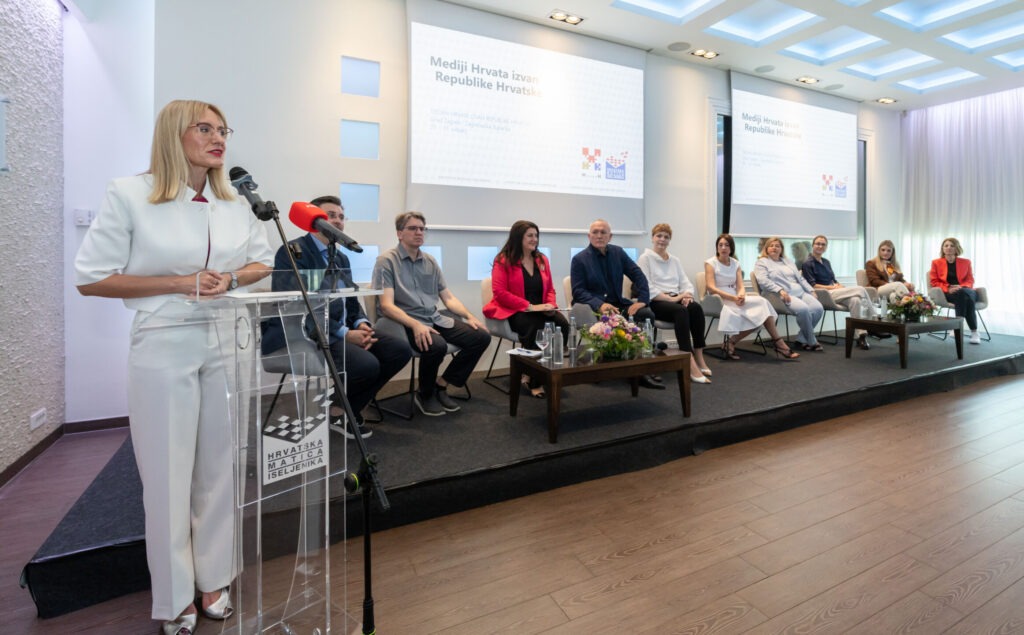
During these times of rapid social and technological change, the media of Croatian communities abroad play a manifold and crucial role. They are not only a source of information, but also a space for the preservation of the Croatian language and cultural memory, a meeting place for generations and an important factor of visibility and articulation of the position of Croatian communities in the countries in which they operate. Something we could not do without are publishing organizations, which today combine all formats. As a consequence, speaking in the first part of the round table were Serđo Obratov, Editor-in-Chief of Hina, Vladimir Brnardić, Editor-in-Chief of the Program for Croats Abroad on Croatian Television, Karolina Bašić, Director of NIU Hrvatska riječ from Subotica, Timea Šakan-Škrlin, Director of Croatica publishing house from Hungary and Stipe Puđa, founder of Fenix magazine.
Role of the Media from Bosnia and Herzegovina
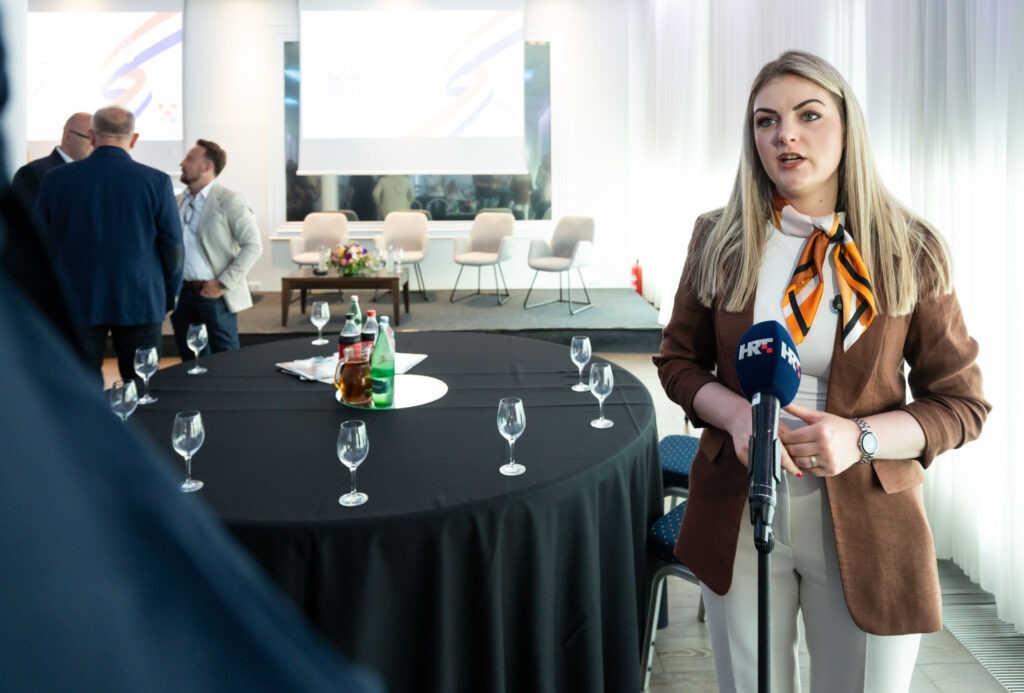
Special attention was paid to the media from Bosnia and Herzegovina, which play a key role in preserving the national identity, language, culture and tradition of the Croatian people. As one of the constituent peoples in BiH, Croats exercise the right to information in the Croatian language through their own media and receive space to present their social, cultural, educational and political interests. Such media help connect Croatian communities throughout BiH and strengthen ties with the Republic of Croatia and the diaspora. Their importance is particularly evident in the protection of the rights of Croats, the promotion of pluralism and the preservation of equality in the complex socio-political system of BiH. The media of Croats in BiH are an important factor in preserving national awareness and identity – emphasized Slavica Karačić, Director of TV Herceg-Bosna, and Ante Stipić, Editor of PRO Televizija.
Print Media as Brand Holder
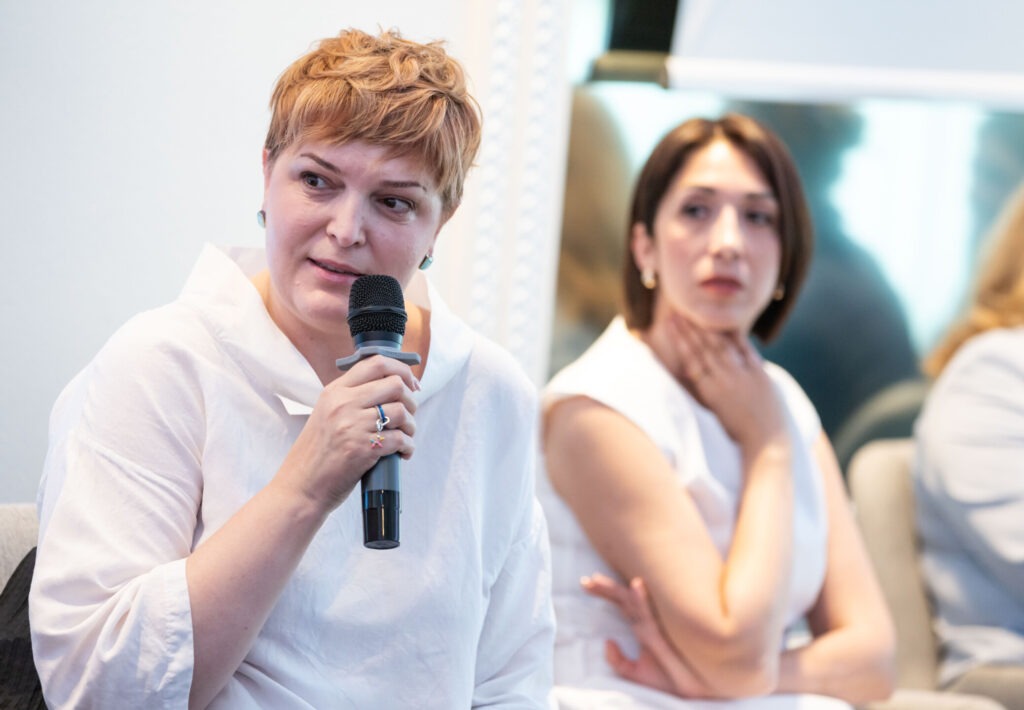
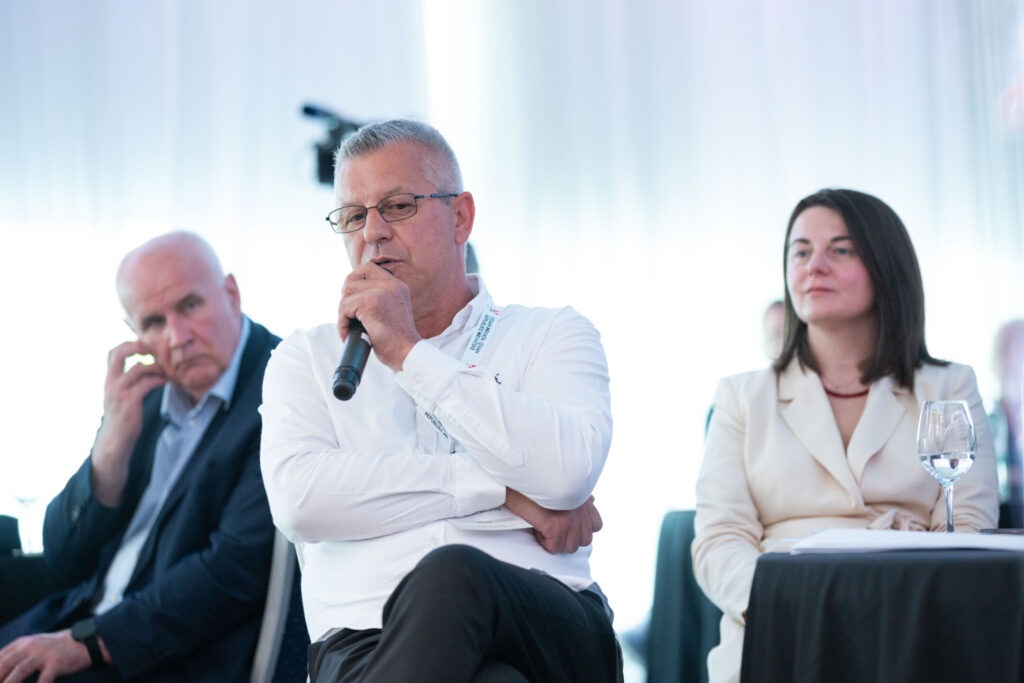
In the central part of the round table, the focus was on print media. Namely, the development of digital media suggested the phasing out of print media. Circulation declined, and some print media were shut down or replaced by the Internet. However, after the pandemic, the decline in circulation halted, and some advanced countries, such as Sweden and Denmark, returned to reading literature as a primary imperative in their education systems. In major world media outlets, including those in Croatia, as well as among media outlets of Croats abroad, the print edition asserted itself as the brand holder. Speaking about why their role is irreplaceable in the public space were Tereza Grandić, Editor-in-Chief of the Burgenland-based Hrvatske novine, Branka Pavić Blažetin, Editor-in-Chief of Hrvatski glasnik from Hungary, Ivan Gavranović, Editor-in-Chief of Živa zajednica from Germany, Zlata Vasiljević, Editor-in-Chief of Hrvatska riječ from Subotica and Nikola Dončić, Editor-in-Chief of Hrvatski glasnik from Montenegro.
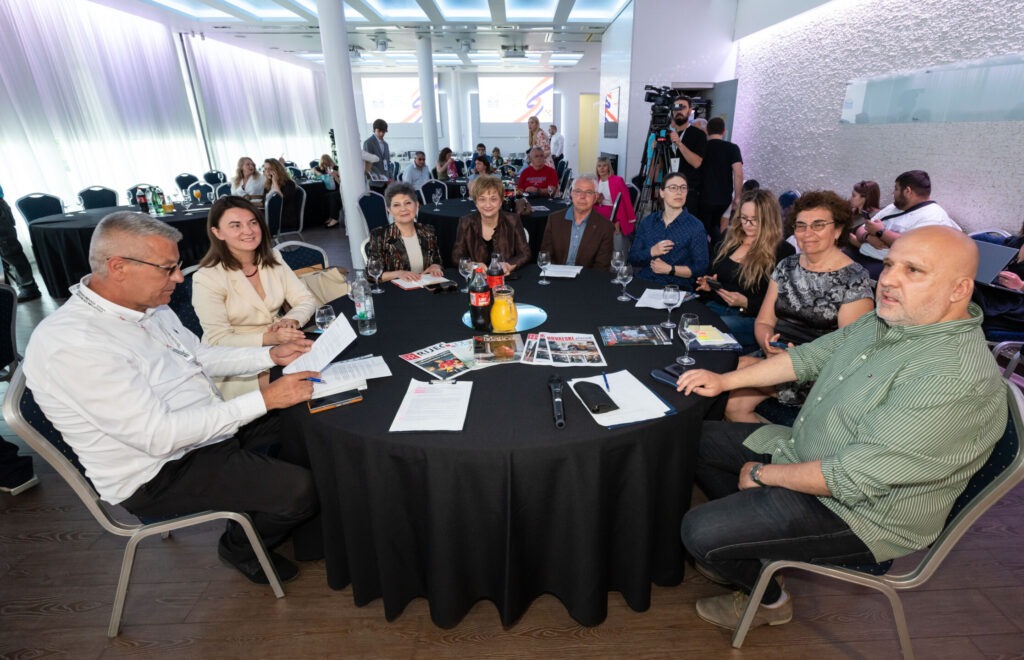
Two videos were also shown as part of the event. Greetings to the many gathered guests and participants in the CHF’s venue were sent from Argentina by Adrijana Smajić and Jozo Vrljičak, Editors of Studia Croatica, the oldest journal in South America, which celebrated its 65th anniversary this year. Members of the Editorial Board of Hrvatski vjesnik joined from Australia.
Digital Platforms and Common Media Space
Tanja Grabić, Editor-in-Chief of Radio Dux from Montenegro and Sanja Bogović, President of the Management Board of Croatians Online from the USA, spoke about how portals, radio and podcast platforms today play a key role in quickly transmitting information and shaping public opinion.
Agreeing that it was necessary to create a modern media space together, where useful information could be obtained on demand and in a personalized manner, were the other participants in this part of the round table – Sergio Marušić, Editor of Radio Melbourne from Australia, Marijana Dokoza, Editor-in-Chief of Fenix magazine from Germany, Sonja Breljak, Editor-in-Chief of Hrvatski glas Berlin from Germany, Anela Kuburaš, Editor-in-Chief of the portal Hrvati.CH from Switzerland and Lydia Novak, Editor-in-Chief of the Melange podcast from Burgenland.
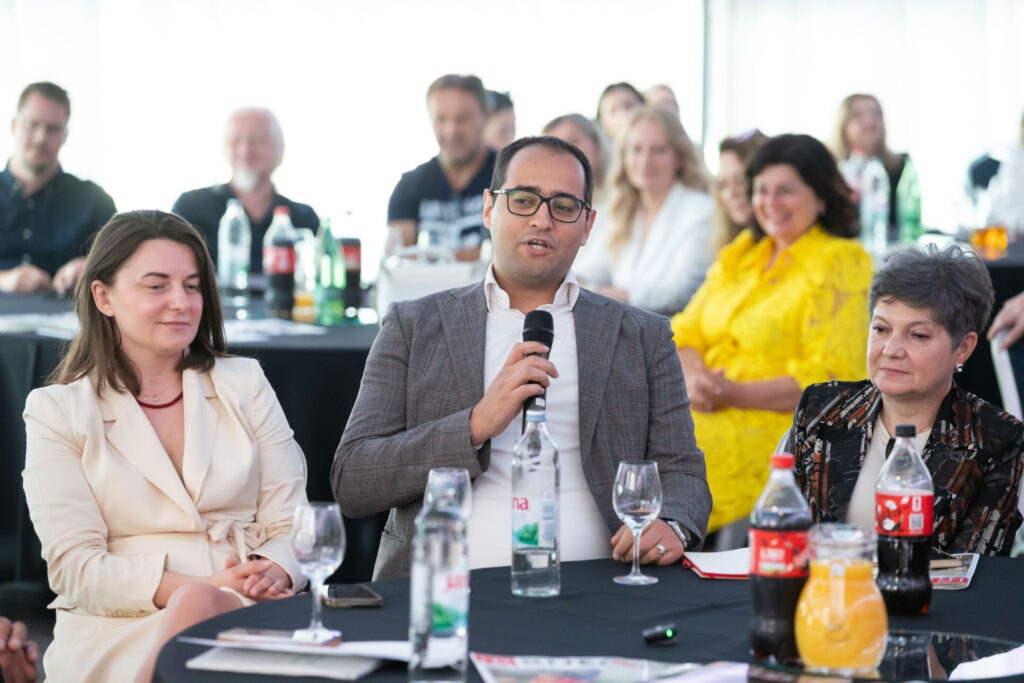
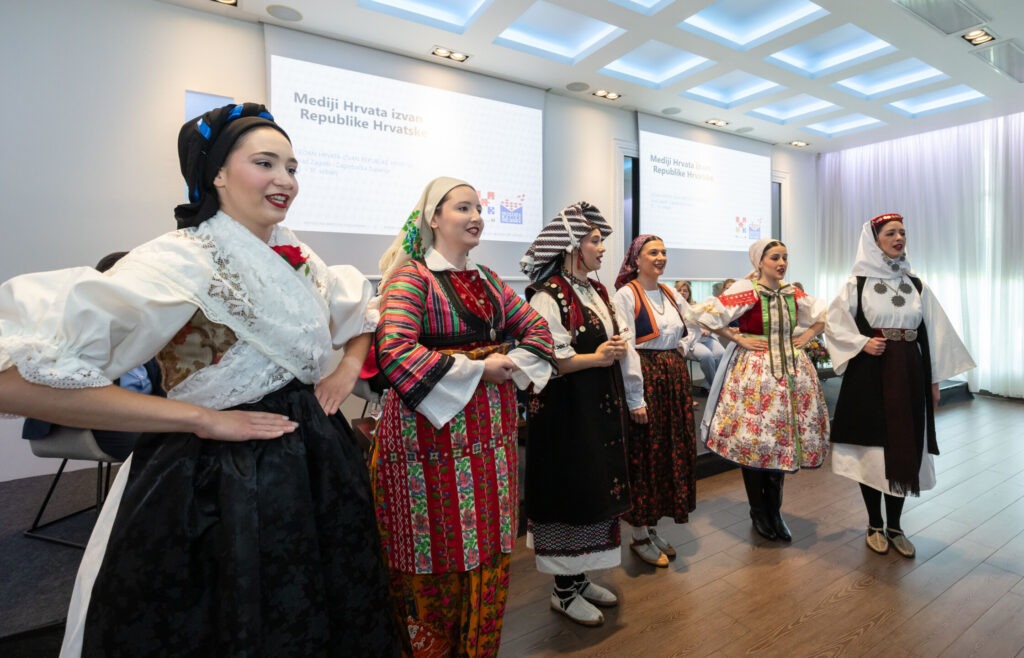
The aim of this round table was to establish a permanent space for dialogue and cooperation and to encourage the creation of a stronger network of Croatian media worldwide, with institutional support. The round table was opened with the song and chants of Croats abroad, performed by members of the Dr. Ivan Ivančan Folklore Ensemble. This extremely interesting and interactive round table, at which each media outlet presented itself with a one-minute video, was moderated by CHF Deputy Director Ivana Rora.
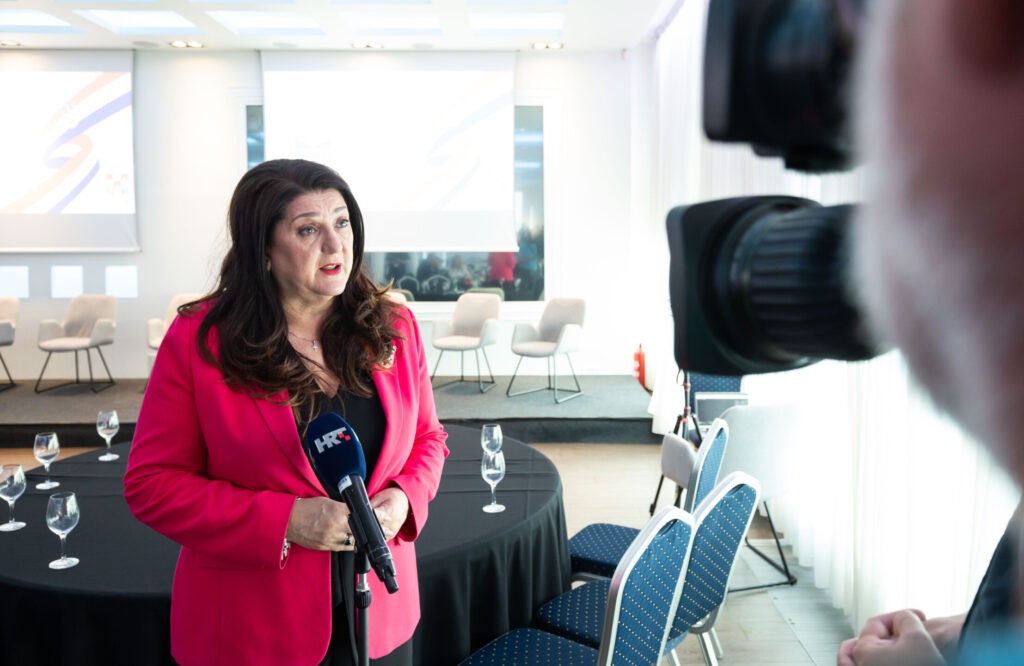
Text: CHF; Photo: Jurica Galoić


