


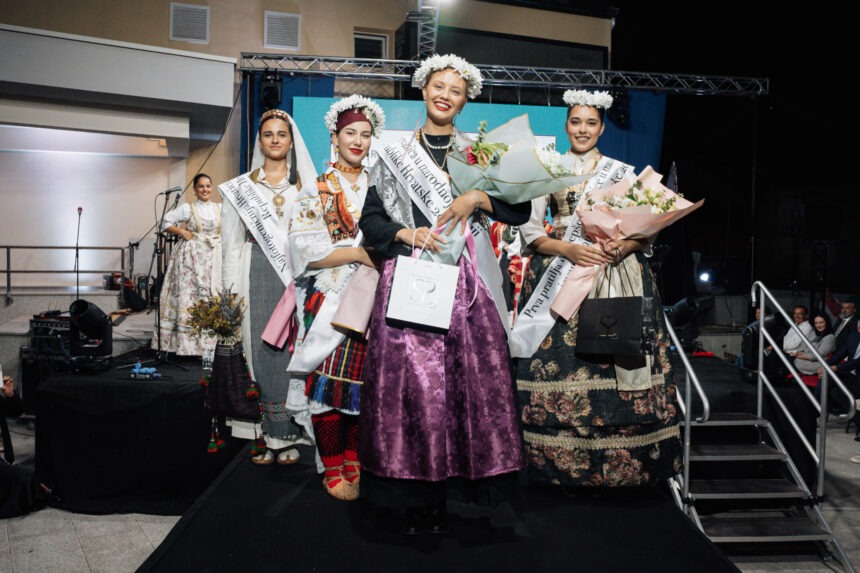
The 13th Traditional National Folk Costume Show and Contest for the Most Beautiful Croatian Woman in Folk Costume Outside the Republic of Croatia, which was held from July 6 to July 12, organized by the Stećak Association for the Preservation and Promotion of Croatian Traditional Culture in Bosnia and Herzegovina and the Croatian Heritage Foundation, in cooperation with the City of Tomislavgrad, KIC Tomislavgrad and the City of Biograd na Moru.
Folk costumes are much more than festive attire. Preserved in each of its folds, ornaments and embroidery are traces of family history, homeland and identity, which Croatian emigrants have carefully passed on to new generations for decades. For this reason, the 13th Traditional National Folk Costume Show and Contest for the Most Beautiful Croatian Woman in Folk Costume Outside the Republic of Croatia, which was held from July 6 to July 12, organized by the Stećak Association for the Preservation and Promotion of Croatian Traditional Culture in Bosnia and Herzegovina, Croatian Heritage Foundation, City of Tomislavgrad, Tomislavgrad Cultural and Information Center and the City of Biograd na Moru, is much more than a contest for the most beautiful Croatian woman in a folk costume. It is a meeting place of Croatian communities from all over the world, a place where ties with the homeland are strengthened and friendships are formed that transcend borders and continents. This program is not a beauty contest in the classical sense, but celebrates the authenticity, cultural heritage and identity of Croatian communities around the world
This year’s edition brought together 21 participants from twelve countries: Vesna Barišić and Nerina Alexsandra Pinero Ercegovic from Argentina, Victoria Šimičić from Austria, Eva Matić, Dora Vrhovac and Mihaela Šokić from Bosnia and Herzegovina, Andrea Lompar and Kristina Lompar from Montenegro, Milena Spadanuda from Italy, Aliz Straub Ražić from Hungary, Nives Živković and Ana Sirovina from Germany, Dora Lukačević from Norway, Fabiana Garay and Carmen Raquelich from Peru, Angelka Melissa Dobra and Martina Anamaria Bunea from Romania, Martina Dulić, Marija Lukić and Anamarija Begov from Serbia, and Viktorija Vitez from Switzerland. Each of them brought to Croatia a part of their homeland, family history and heritage of the Croatian community from which they come, confirming that the Croatian identity lives as strongly in the homeland as in the diaspora.
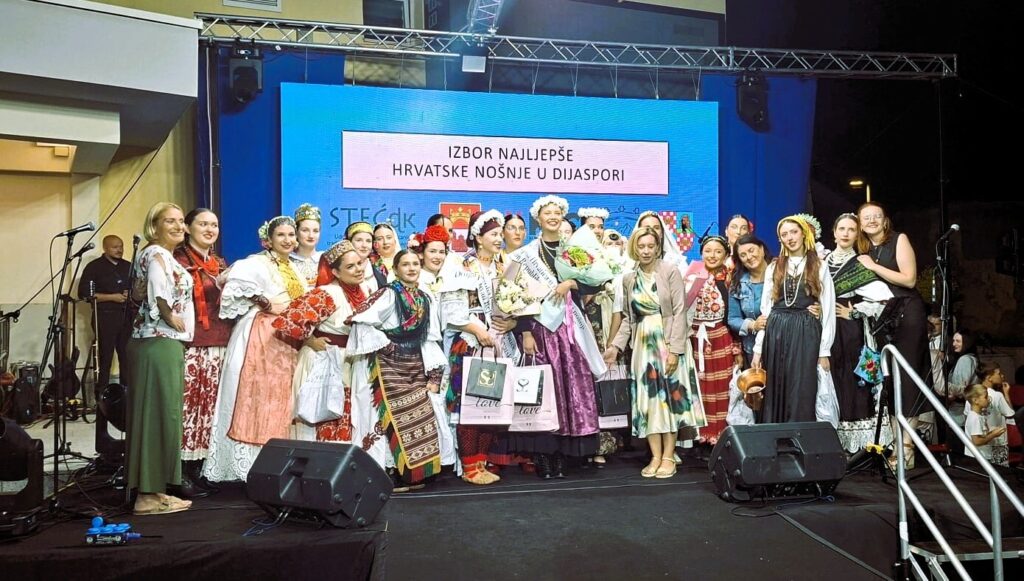
The program began with the gathering of participants at the Croatian Heritage Foundation in Zagreb, from where they traveled together to Biograd na Moru. Already from the outset it was clear that this would be much more than an official program. Through socializing, photo shoots, the Friendship Evening and a boat trip, the participants got to know each other, exchanged life stories and experiences of growing up in Croatian communities around the world, and very quickly became a large international Croatian family.
Particular attention was attracted by the presentation of the participants at the main pier in Biograd na Moru as part of the 2026 Biograd Summer event. Numerous visitors had the opportunity to enjoy the splendor of folk costumes from different parts of Europe and South America, while the contestants showed their gratitude to the hosts in Tomislavgrad by performing together the original song from Tomislavgrad, “duvanjski napjev”, and showed that the Croatian tradition is best preserved when shared with others.
After Biograd, their journey took them to Tomislavgrad, where they met a part of the cultural and spiritual heritage of this region in preparation for the final evening. They visited the Carmelite monastery of St. Elijah at Lake Buško, and each new meeting further deepened the friendships forged during the journey together.
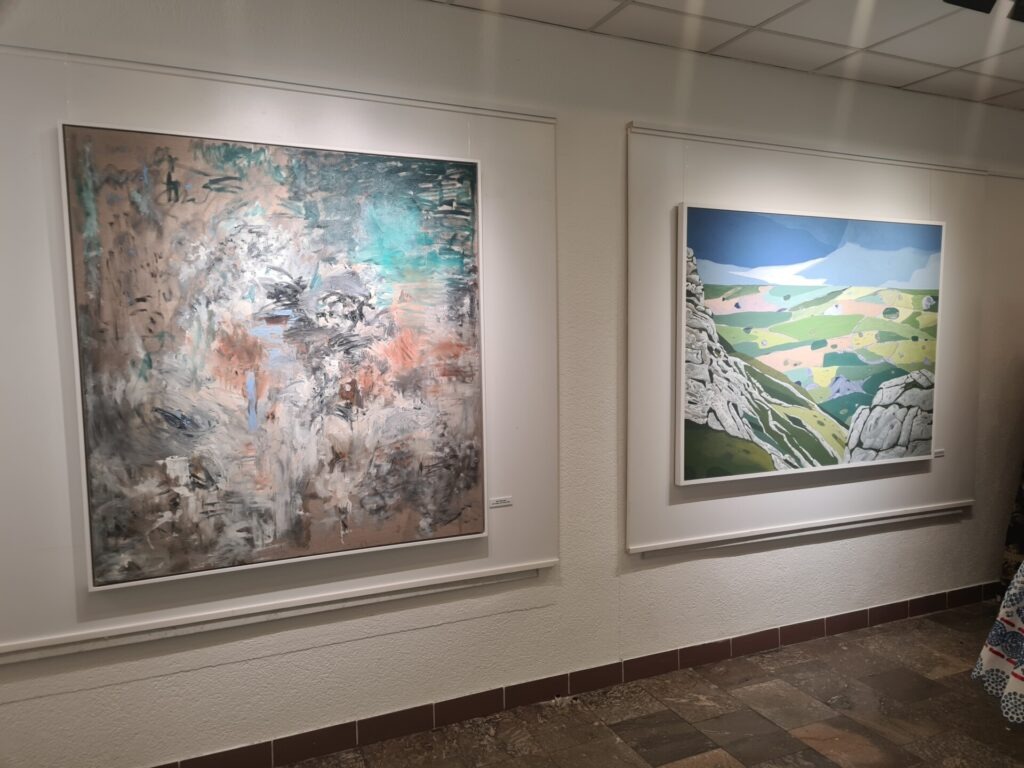
The participants of the Show also participated in the grand opening of the exhibition “Croatian Landscape” by Fr. Zvonko Martić in Tomislavgrad. Dressed in folk costumes, they sang together at the opening of the exhibition by which ten Croatian artists captured the beauty and diversity of the Croatian landscapes through their works, once again confirming that art, tradition and community are naturally intertwined in this unique event.
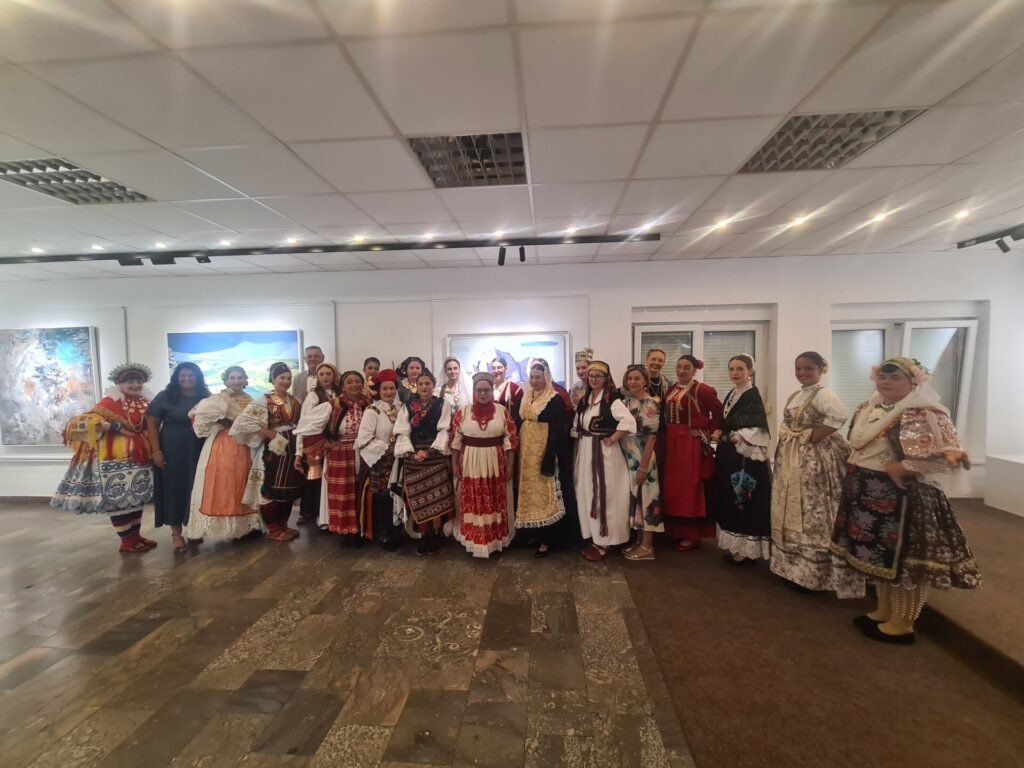
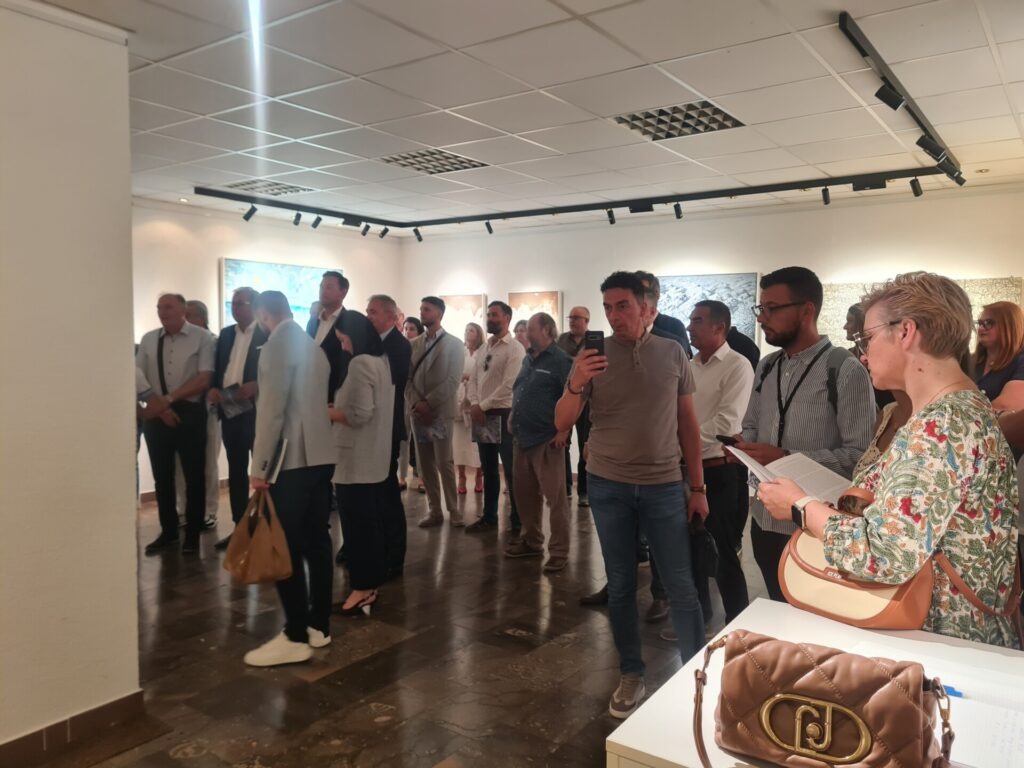
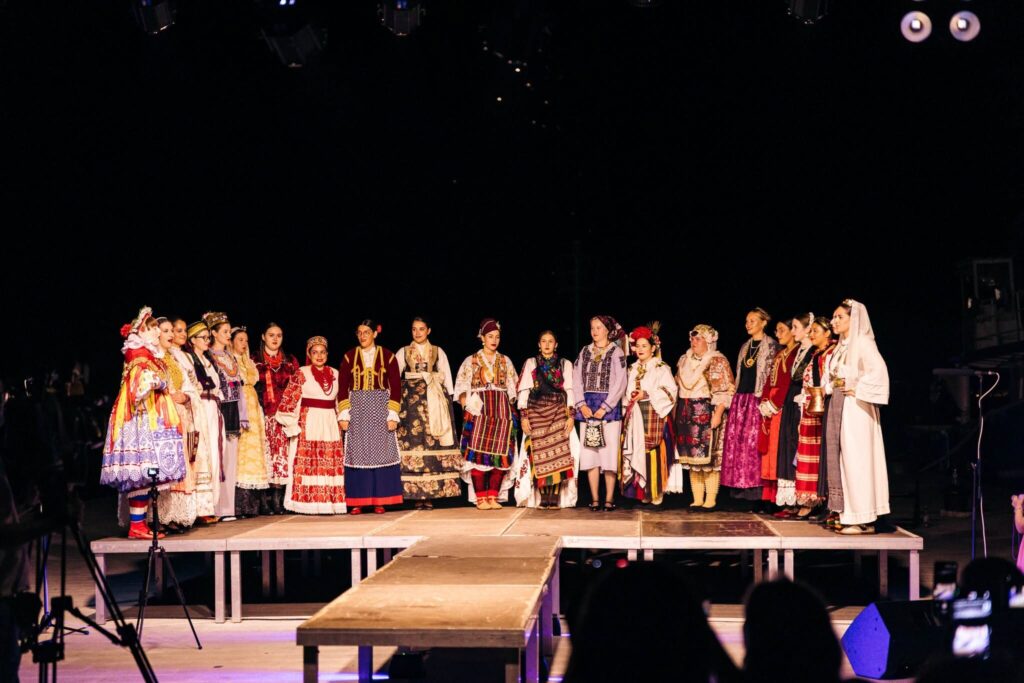
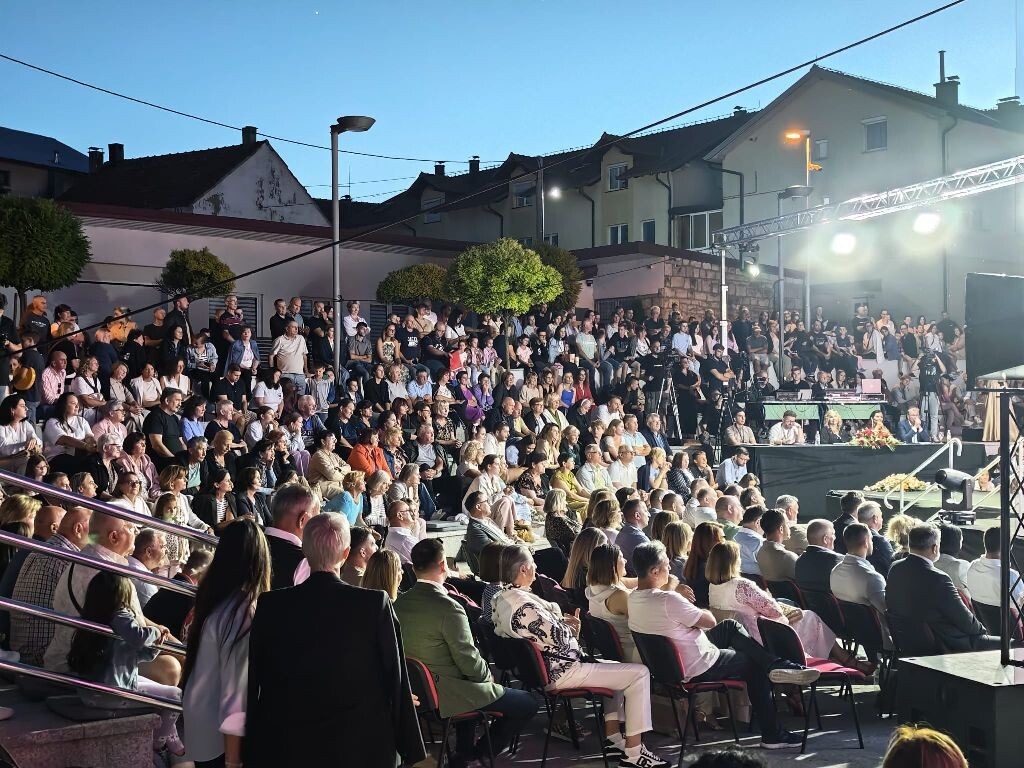
The main part of the program was held on July 10 at the Gange i Hajdučke Družine Square in Tomislavgrad, where a crowd of visitors greeted the women who brought to the stage a wealth of Croatian traditional clothing from all over the world. The audience rewarded each participant with a long applause, aware that behind every folk costume there is a story about family, customs and love for Croatian roots.
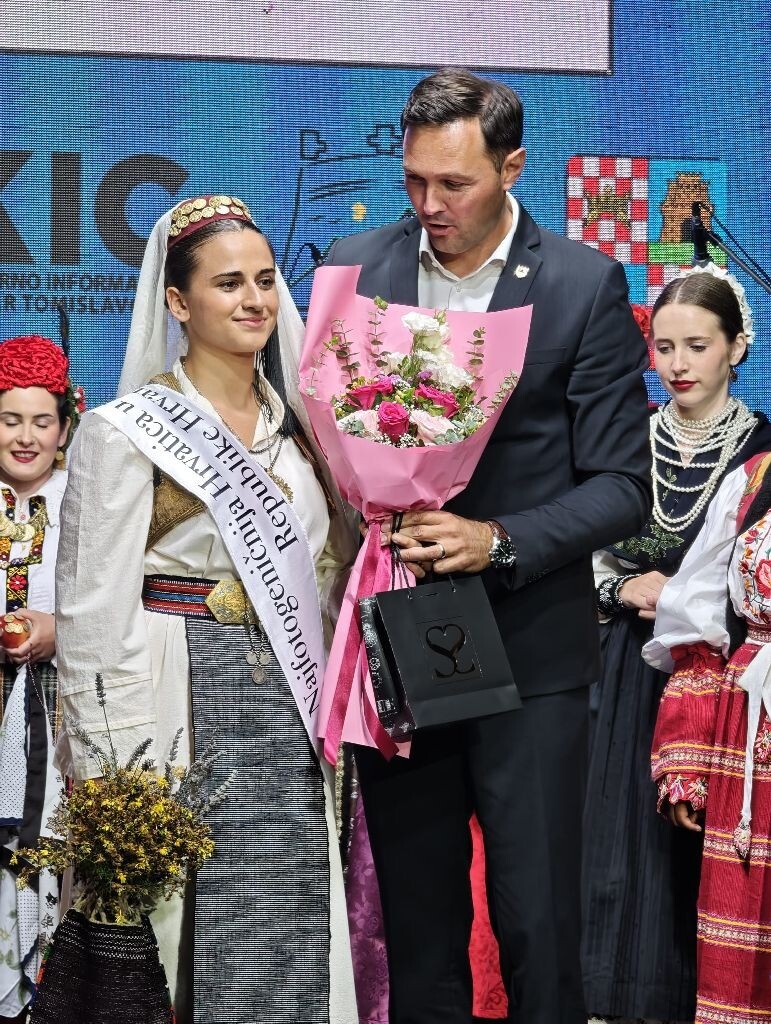
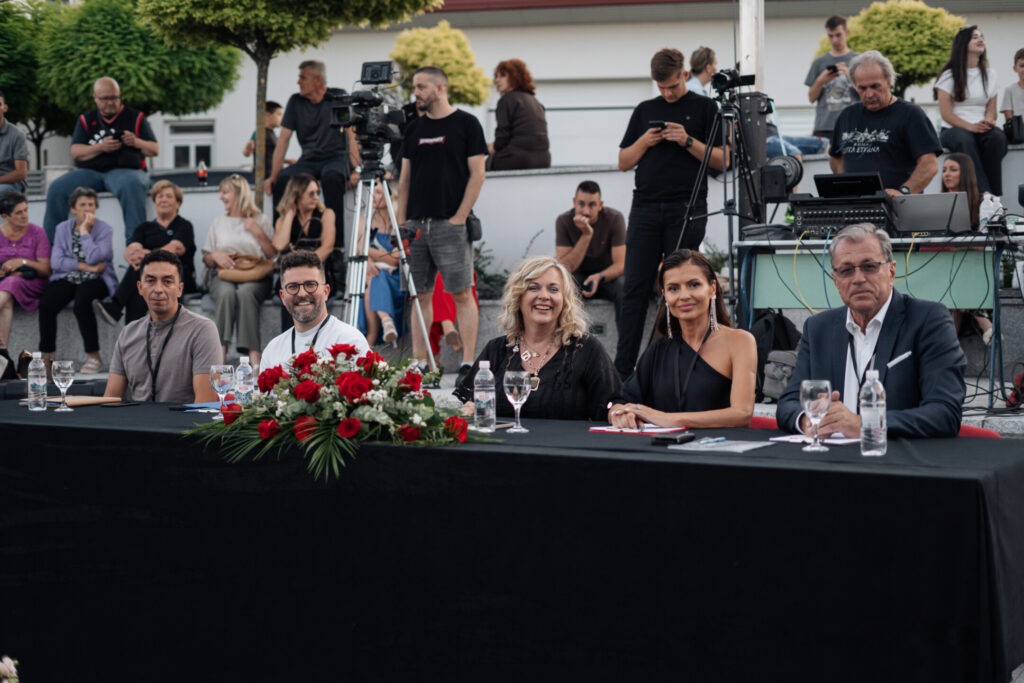
By the decision of the expert panel, Vesna Barišić from Argentina was crowned the 2026 Most Beautiful Croatian Woman in Folk Costume Outside the Republic of Croatia. The title of first runner-up went to Martina Dulić from Serbia, the second runner-up was Mihaela Šokić from Germany, while Eva Matić from Bosnia and Herzegovina took the title of Miss Photogenic.
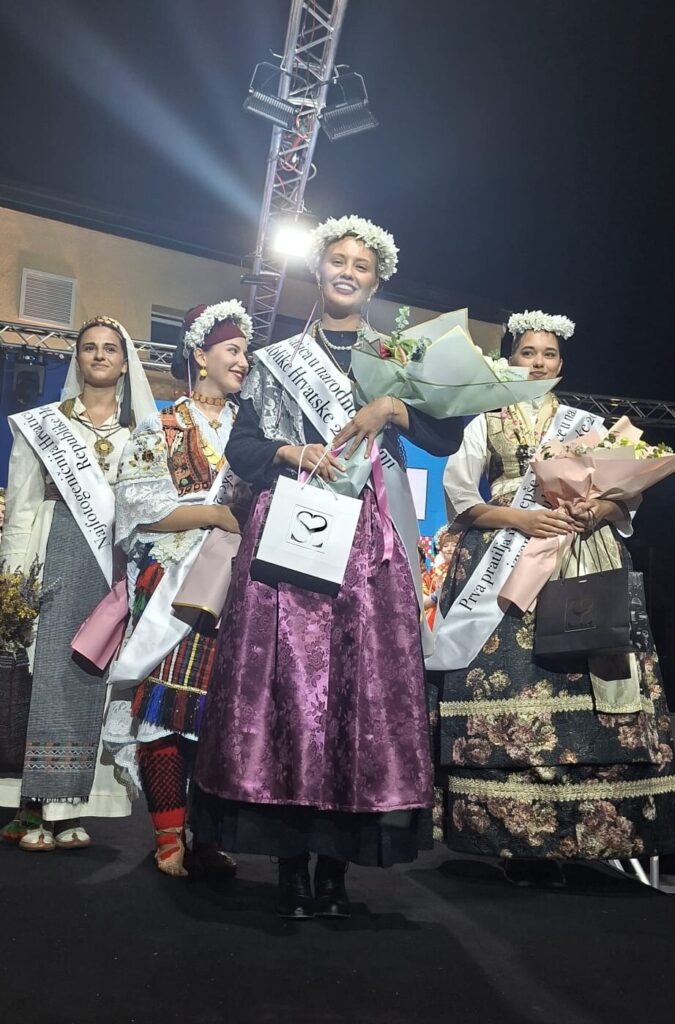
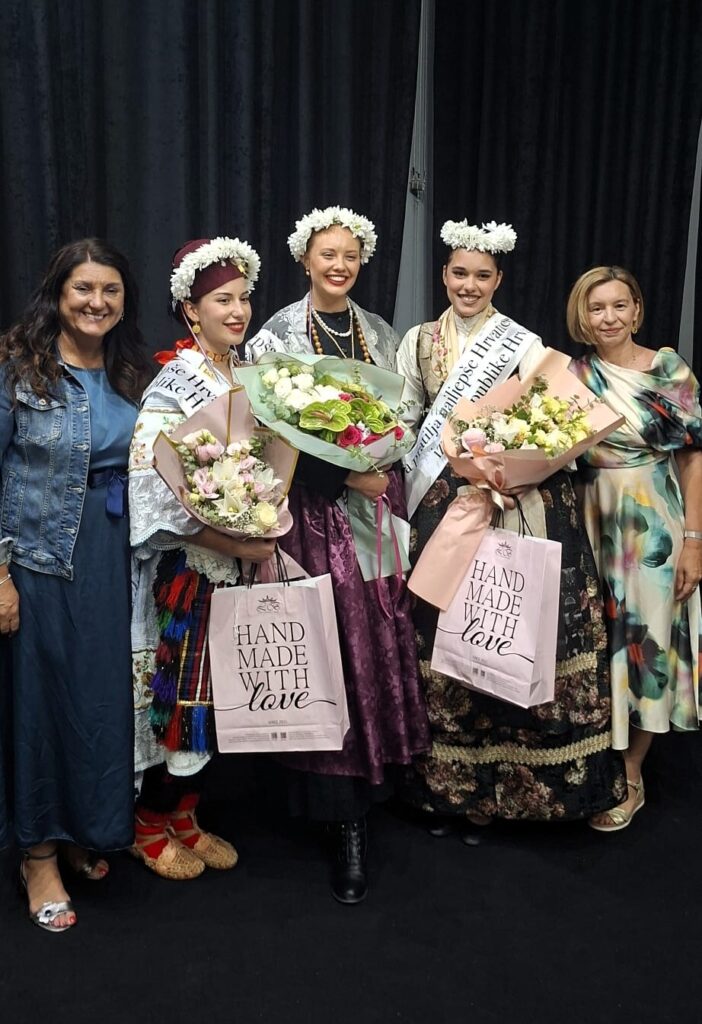
The participants were addressed by the Mayor of the Municipality of Tomislavgrad Ivan Buntić, the Prime Minister of the Herceg-Bosna Canton Ivan Vukadin, Ivka Perić from the Central State Office for Croats Abroad in the capacity of Envoy of State Secretary Zvonko Milas, Ivana Rora, Deputy Director of the Croatian Heritage Foundation and Federal Minister of Culture and Sports Sanja Vlaisavljević in the capacity of Envoy of the President of the Croatian National Assembly (HNS) Dragan Čović. The program was also attended by the Ambassador of the Republic of Croatia to Bosnia and Herzegovina Ivan Sabolić, who officially handed over the winning sash to this year’s winner, Vesna Barišić from Argentina.
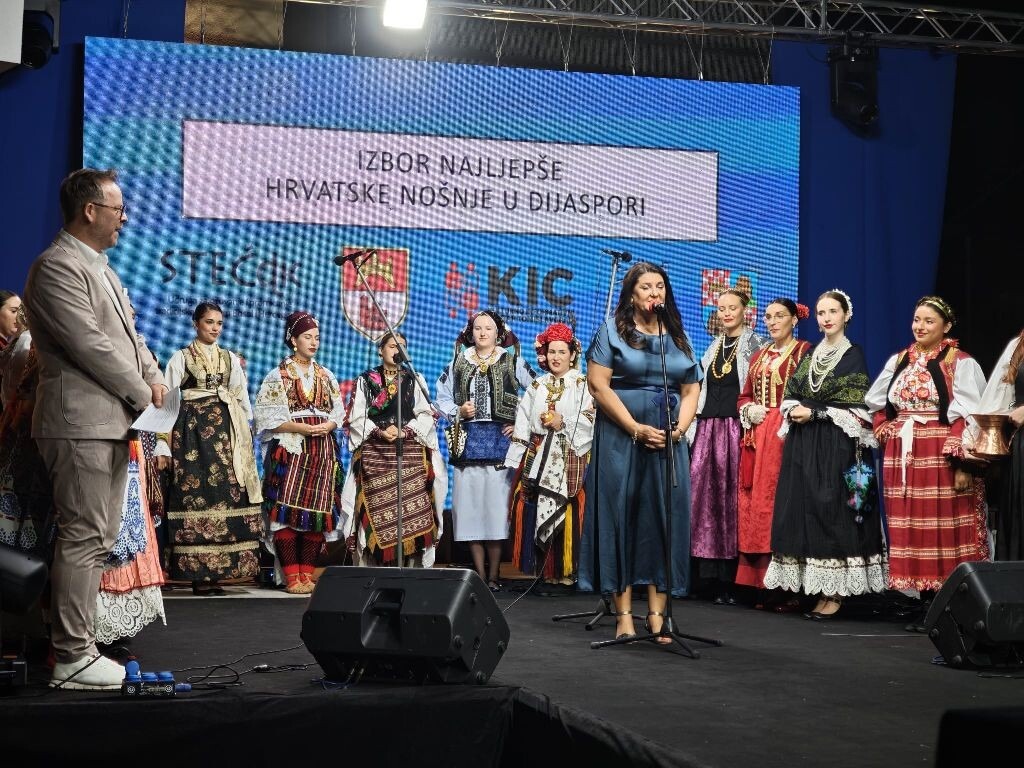
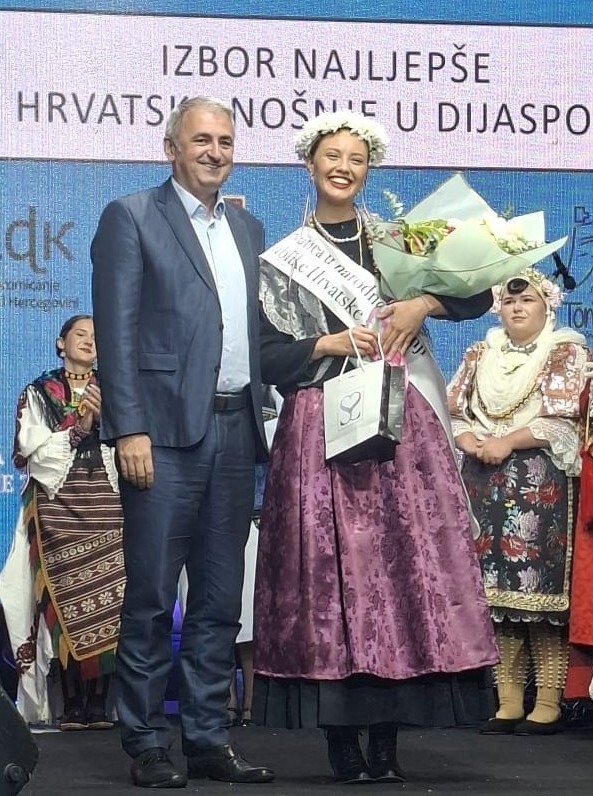
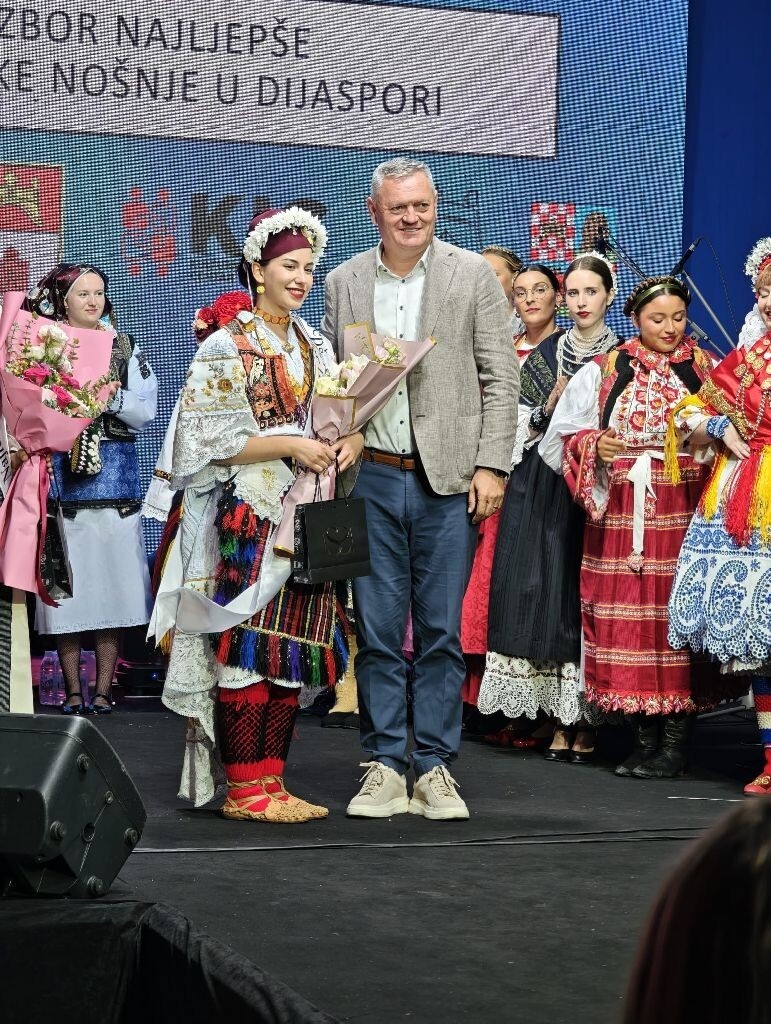
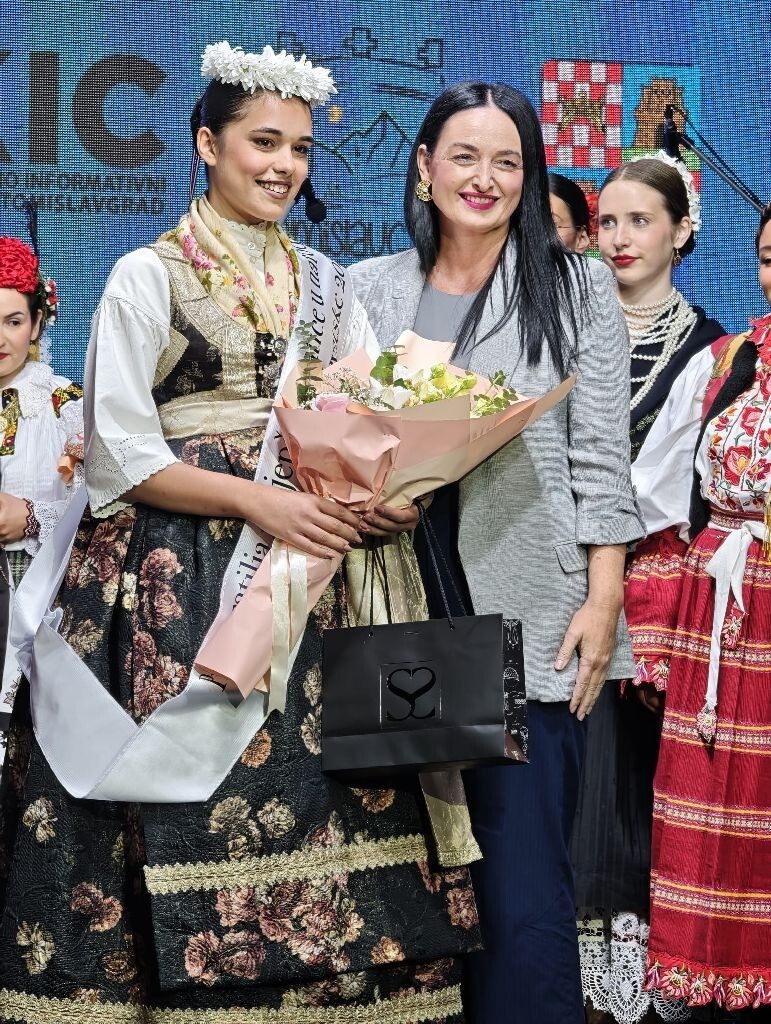
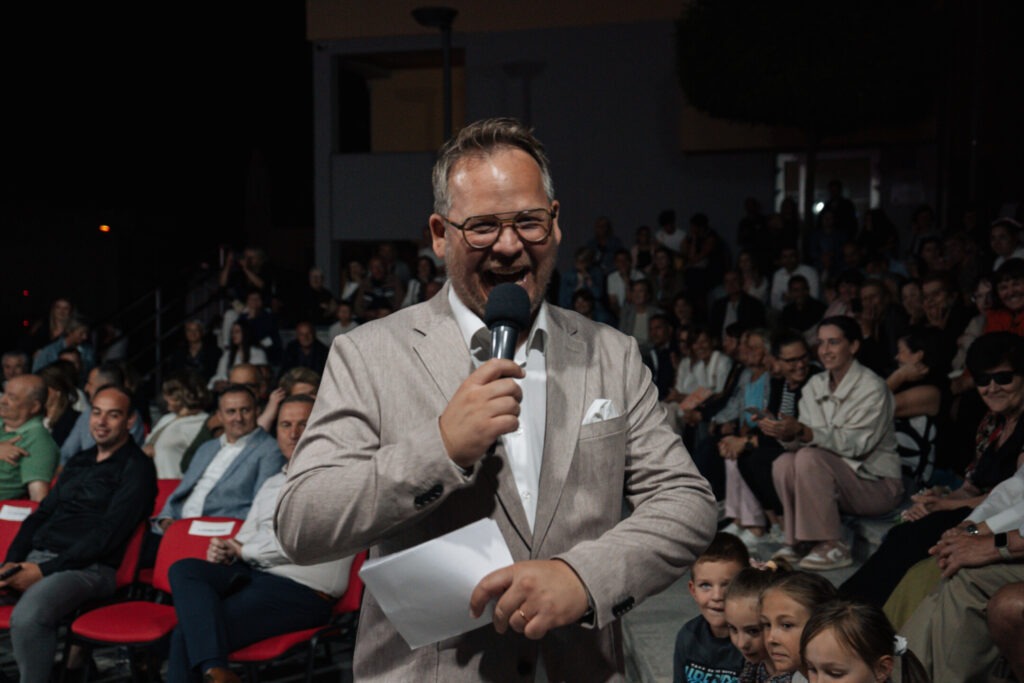
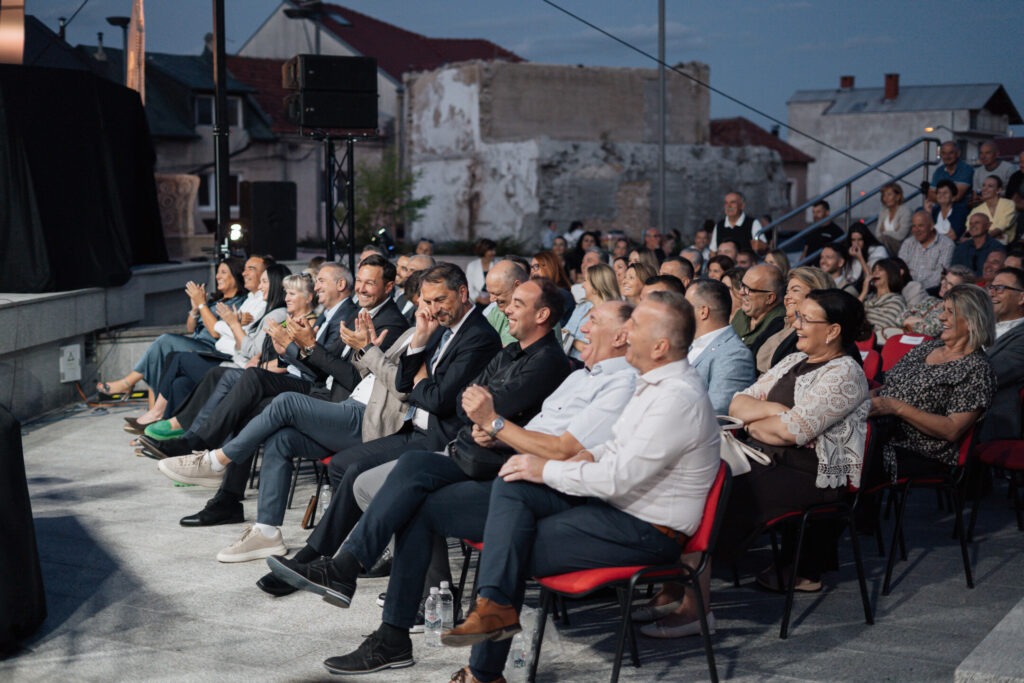
The program was emceed in the witty and relaxed style of Frano Ridjan, while the end of the evening was marked by a concert by Giuliano, who enticed both the participants and the audience to dance.
However, even with the end of the Show, the journey together did not come to an end. The next day, a workshop on making traditional jewelry was organized for the participants, and they also visited the Blidinje Nature Park, Masna Luka and Hajdučke vrleti.
Before returning to their homes, they visited Kedžara and the grave of Diva Grabovčeva. With a joint photo next to the Diva Grabovčeva statue, a work by academic sculptor Kuzma Kovačić, they paid tribute to the woman whose life story became a lasting symbol of loyalty, honor, and perseverance. It was a dignified end to a week filled with learning about Croatian history, cultural heritage, and the values that unite the Croatian people, regardless of where they live.
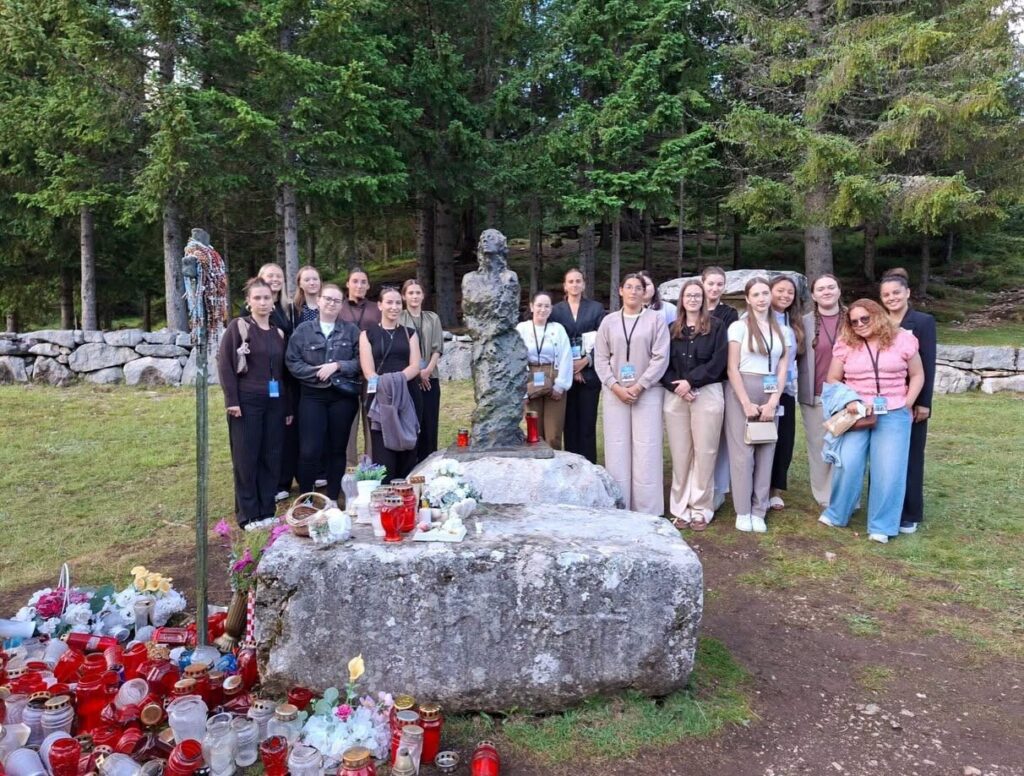
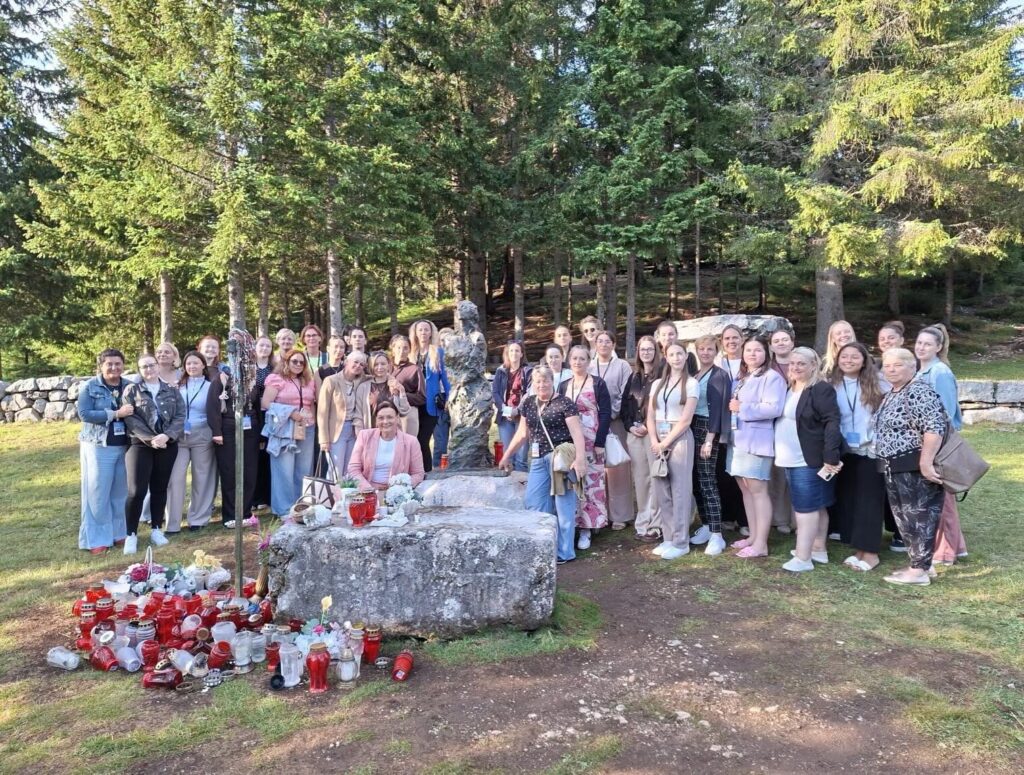
The 13th Traditional National Folk Costume Show and Contest for the Most Beautiful Croatian Woman in Folk Costume Outside the Republic of Croatia once again confirmed that national costumes are not just part of traditional heritage. It is a visible sign of belonging, a bridge between the homeland and the diaspora, and a symbol of unity that the Croatian people successfully preserve on all continents.
That is precisely why this event has held a special place among the Croatian Heritage Foundation’s programs for thirteen years – because it brings together young Croats from around the world, connects them with their homeland and enables them to continue living and passing on Croatian identity to future generations through friendship, togetherness and tradition.
The event was held under the auspices of the Croatian National Assebmly of BiH – Dr. Dragan Čović, the Government of Herzeg-Bosnia County, the Municipality of Tomislavgrad, the City of Biograd na More, the Central State Office for Croats Abroad, and the Ministry of Demography and Immigration of the Republic of Croatia.
Text: CHF


