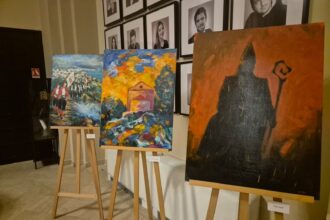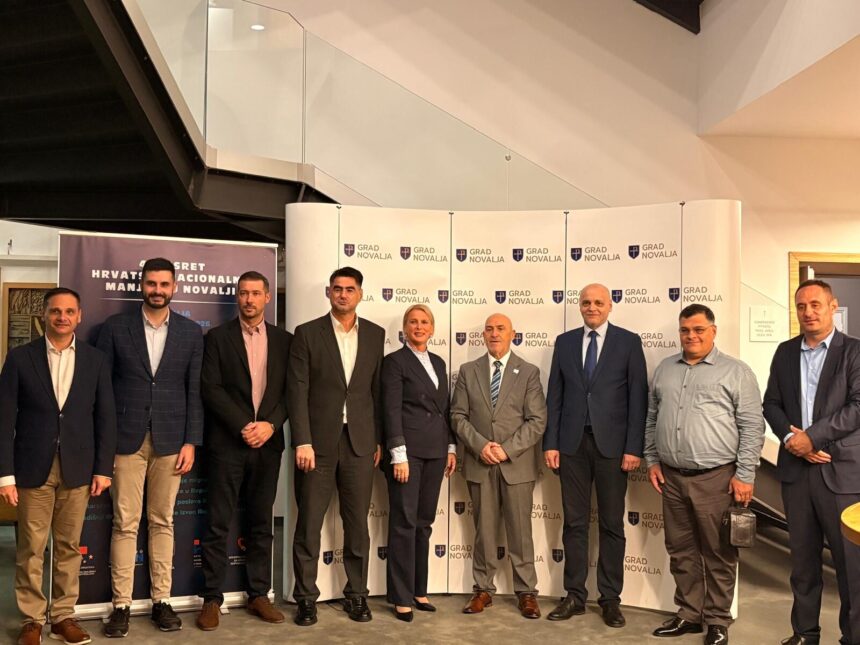
The three-day meeting in Novalja highlighted the richness of the cultural heritage of Croats in Serbia, the importance of preserving their national identity and the role of Croatian institutions in connecting this minority community with the homeland.
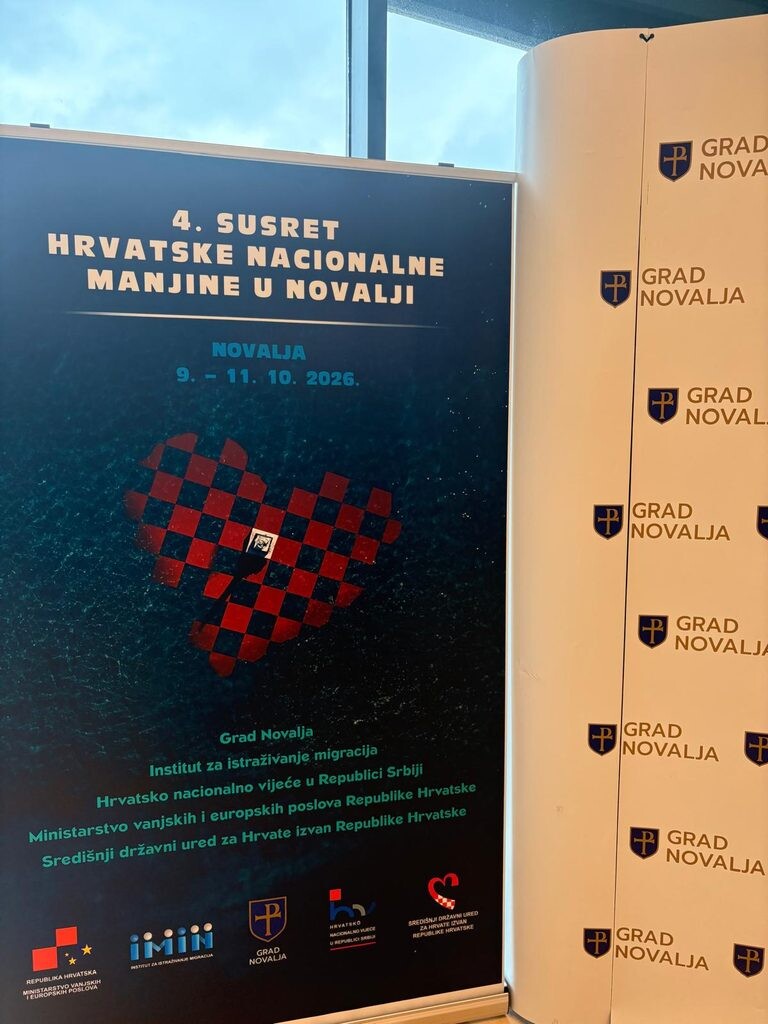
The Croatian Heritage Foundation participated in the 4th Meeting of the Croatian National Minority, held from October 9 to 11, 2026, in Novalja, which this year was dedicated to Croats in the Republic of Serbia. The Meeting was organized by the Institute for Migration Research with the support of the Central State Office for Croats Abroad.
As part of the meeting, expert panels were held on three key topics: the institutional and political framework of the Croatian community in Serbia, cultural and identity determinants, and the role of the media in promoting it. After the panel, a scientific conference was held at which 14 papers on the position, identity, cultural heritage and social life of Croats in Serbia were presented.
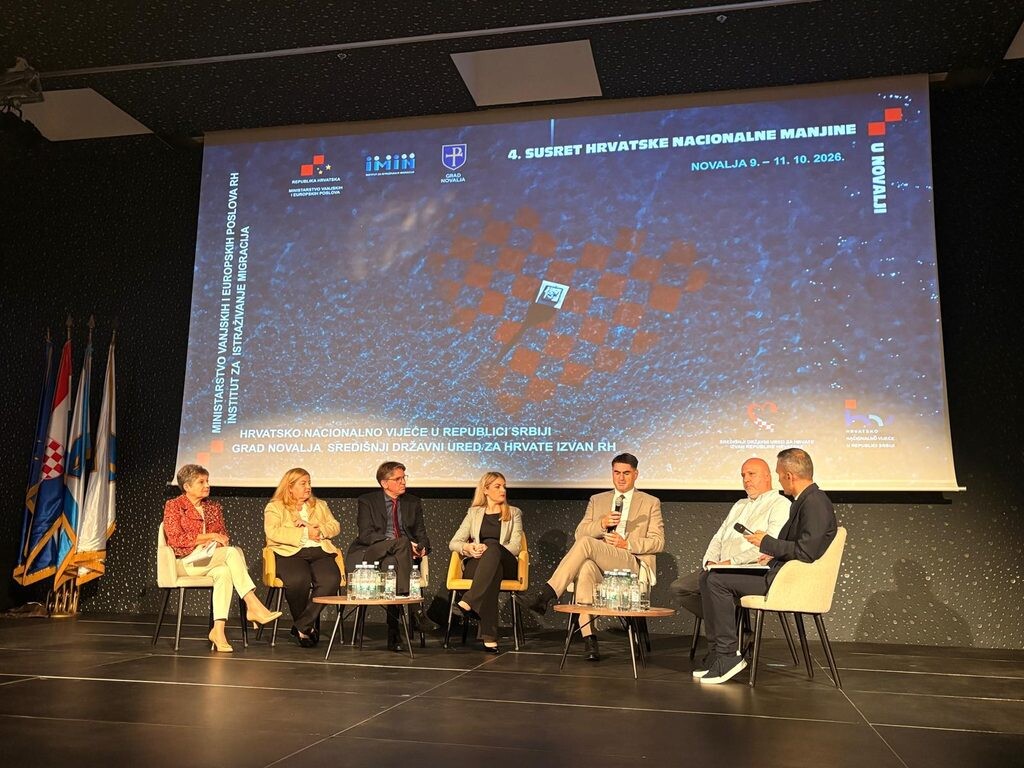
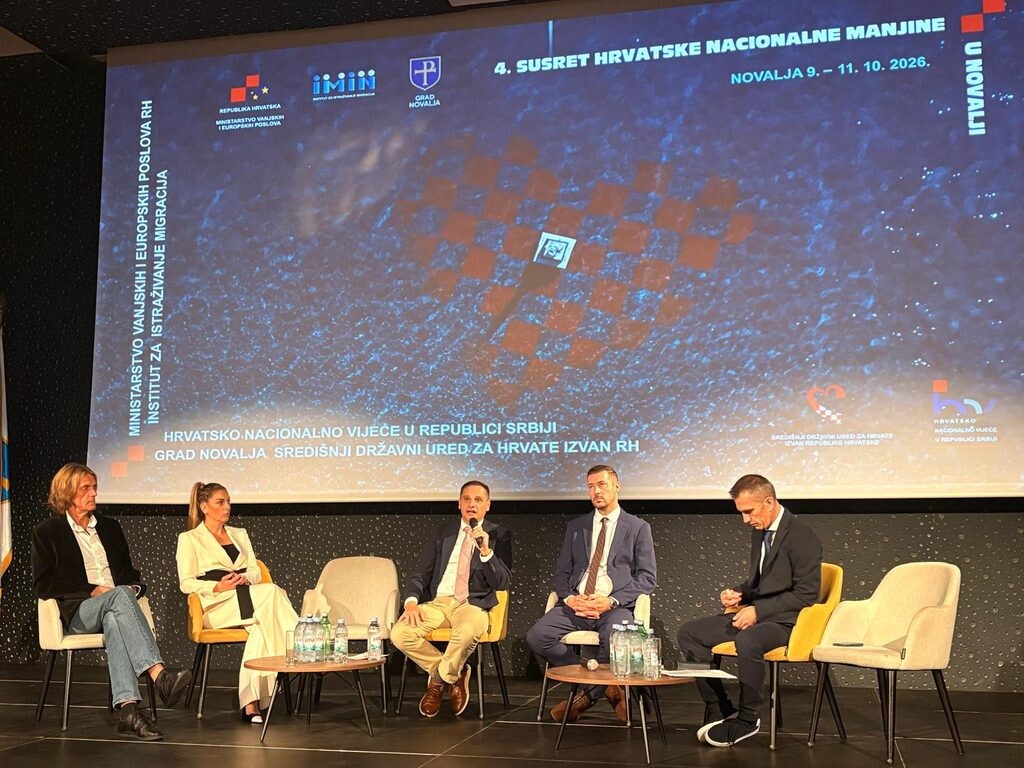
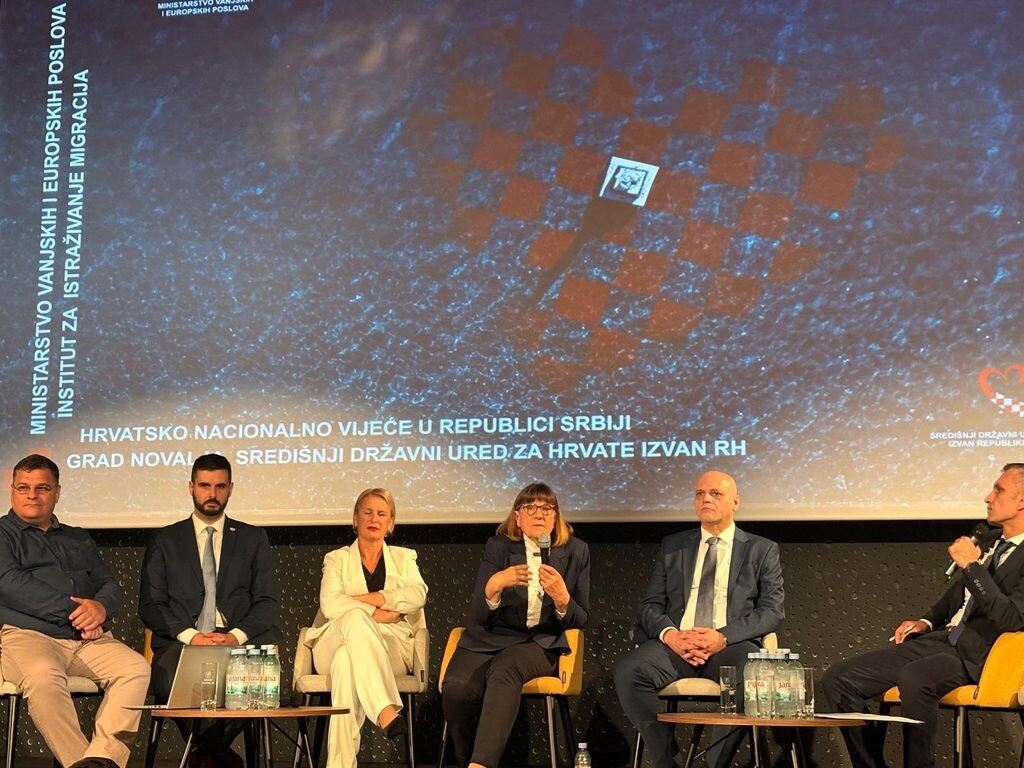
Croatian Heritage Foundation Director Zdeslav Milas participated in the panel “Cultural and Identity Determinants of the Croatian Community in Serbia”, where he presented the CHF’s programs and activities aimed at preserving the Croatian language, culture, and national identity. Among them, he emphasized the Little School of Croatian Language and Culture, the Summer and Winter School of Croatian Folklore, the Days of Croatian Folk Theater, and the Creativity Seminar in Tavankut, especially highlighting the importance of involving children and young people.
Speaking about the contribution of the CHF to the inclusion of cultural and literary creativity of Croats from Serbia in the total Croatian national heritage, he highlighted the Croatian Emigrant and Minority Lexicon, cooperation on the promotion of the Lexicon of Danube Croats – Bunjevci and Šokci, and the presentation of the editions of Croatian publishing institutions from Subotica to the homeland public.
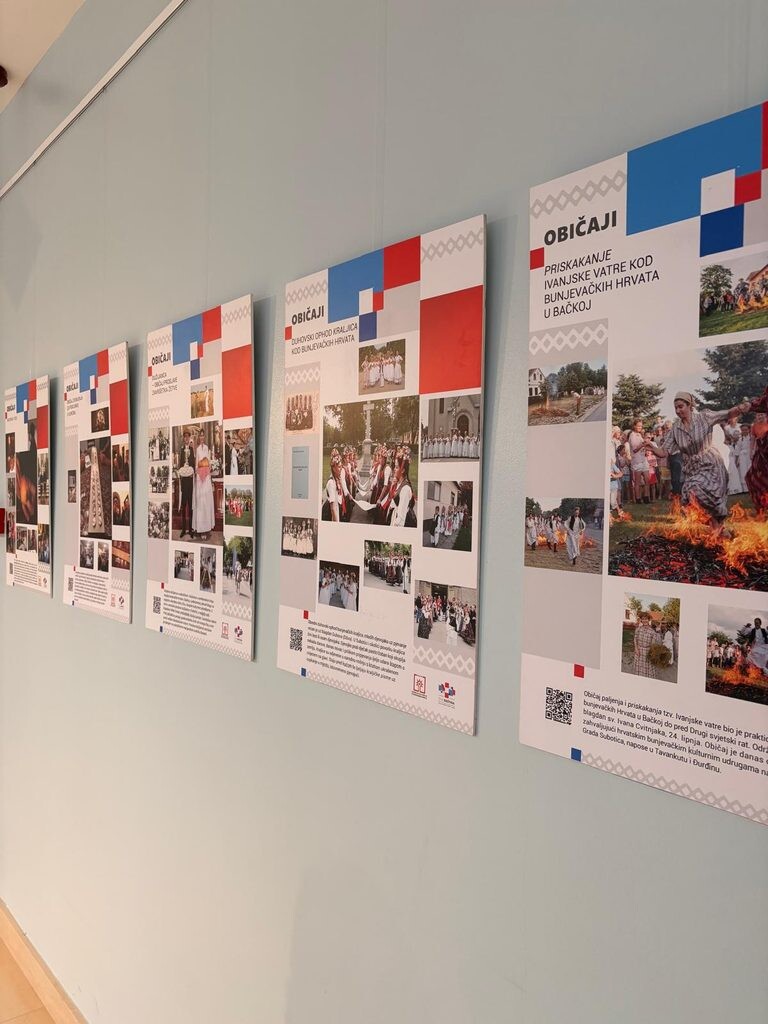
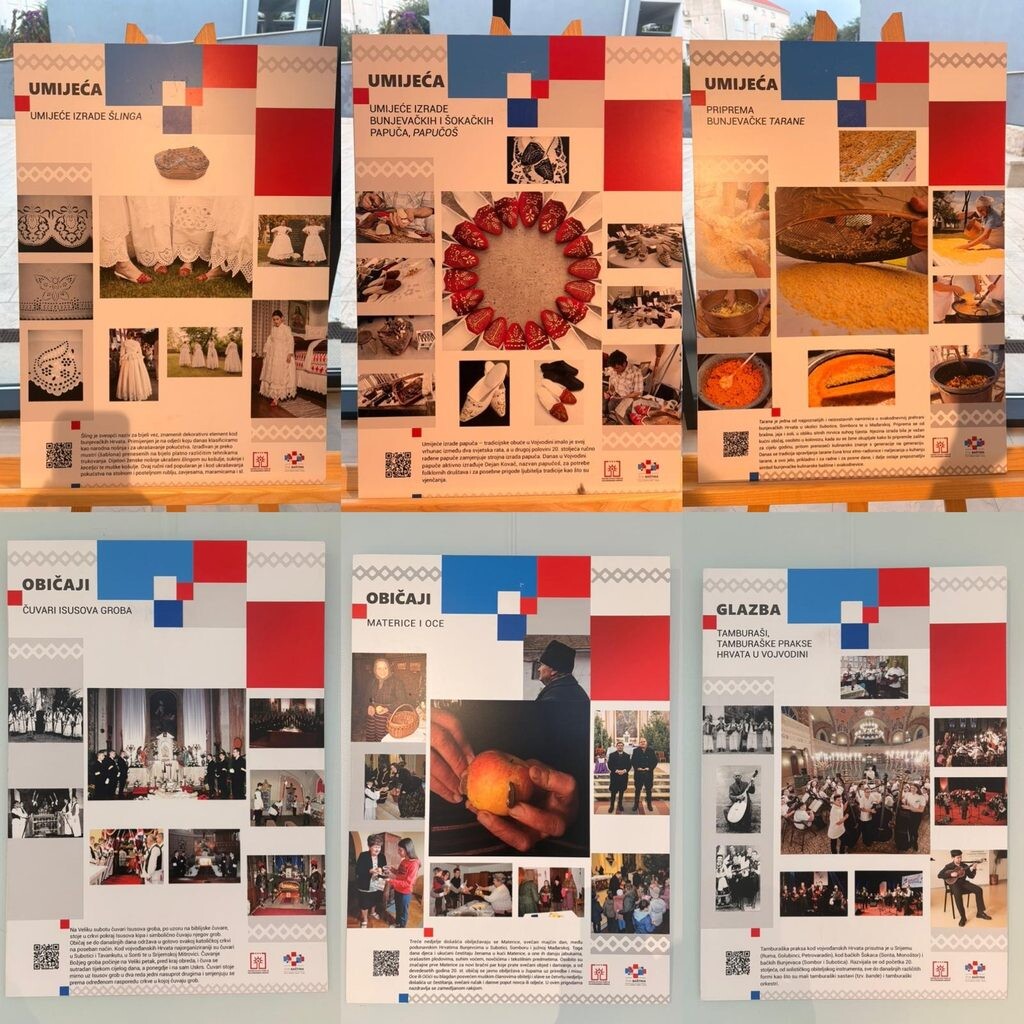
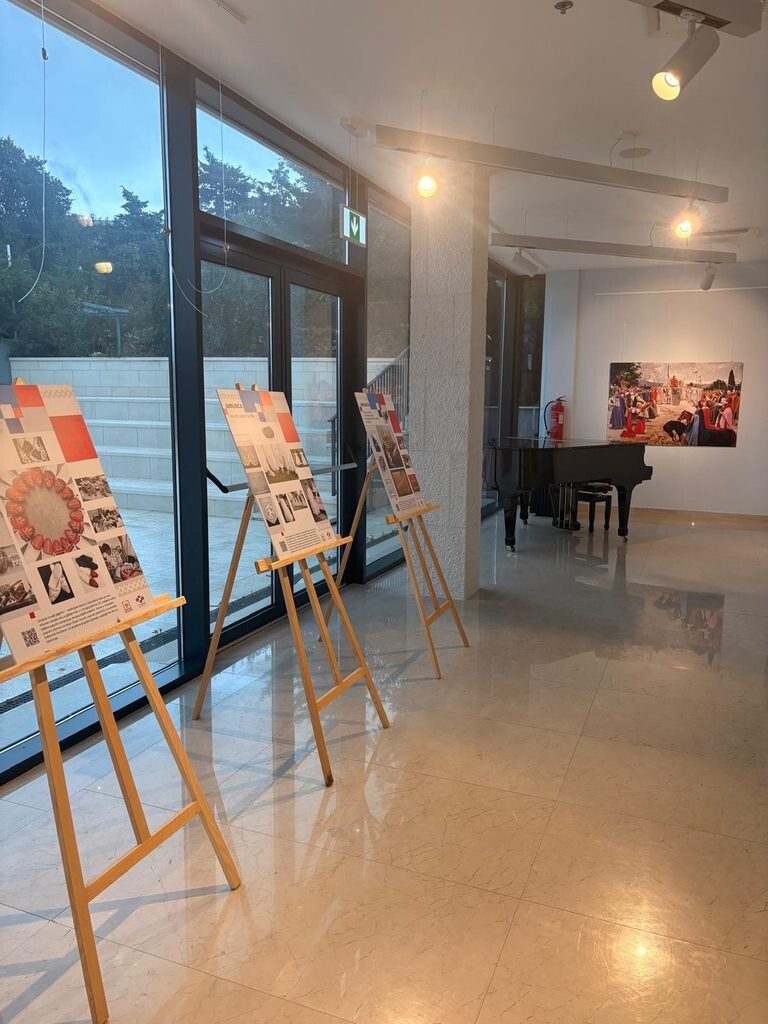
He also recalled numerous articles and contributions on Croats in Serbia published in Matica magazine, as well as exhibitions and book presentations dedicated to their cultural heritage and creativity, held at the Croatian Heritage Foundation in Zagreb. An important part of the cooperation is the regular visits of CHF representatives to cultural and other events of Croats in Vojvodina, which further strengthen direct ties with Croatian institutions, associations, and cultural and folklore ensembles there.
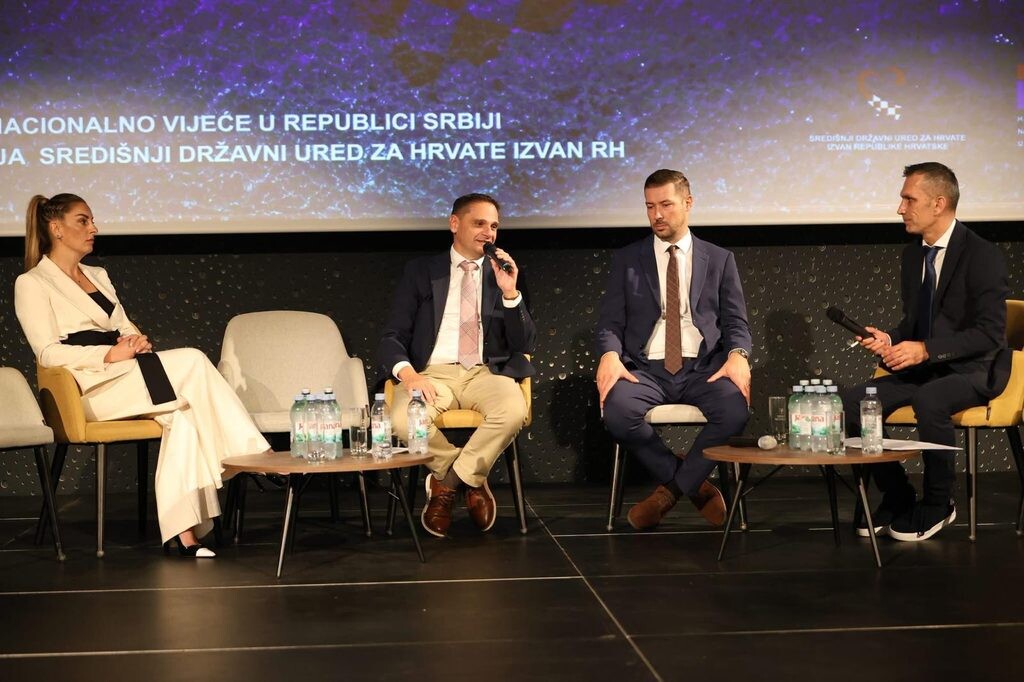
Milas also announced the 31st Croatian National Minority Forum, to be held on November 27, 2026, in Zagreb, organized by the Croatian Heritage Foundation and dedicated to the creativity of young people and for young people.
The cultural and artistic program included the Tamburitza group of the HGU Bunjevački Pisama Festival from Subotica, the original women’s group of Kraljica Bodrog from the Bodrog Ensemble from Monoštor and the folklore Vladimir Nazor Ensemble from Sombor, showcasing the richness of the musical and folklore heritage of the Croats in Vojvodina.
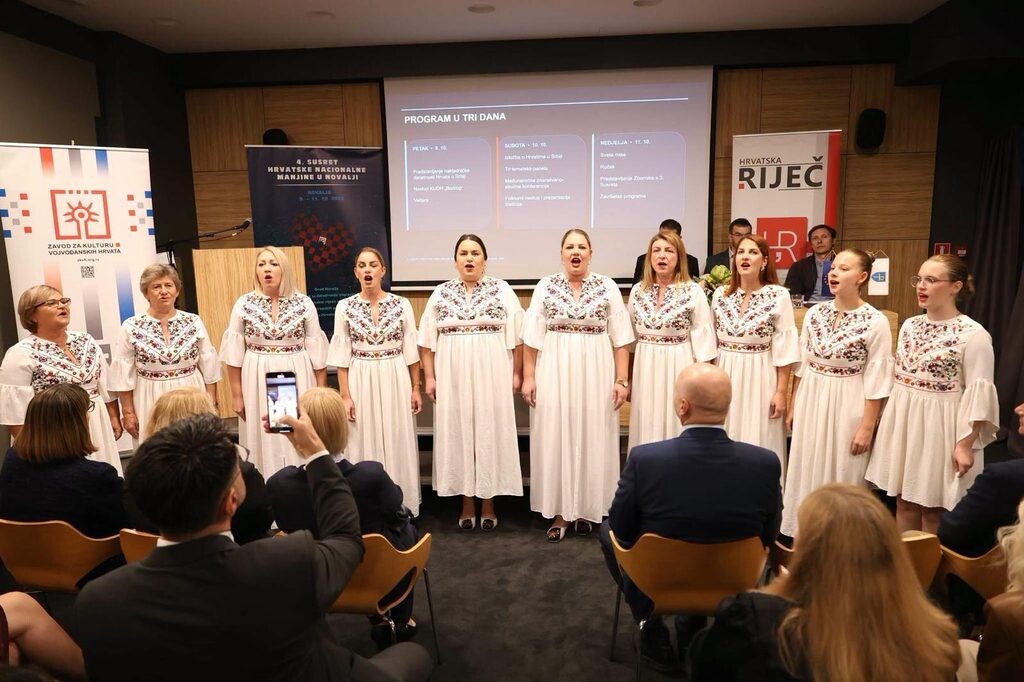
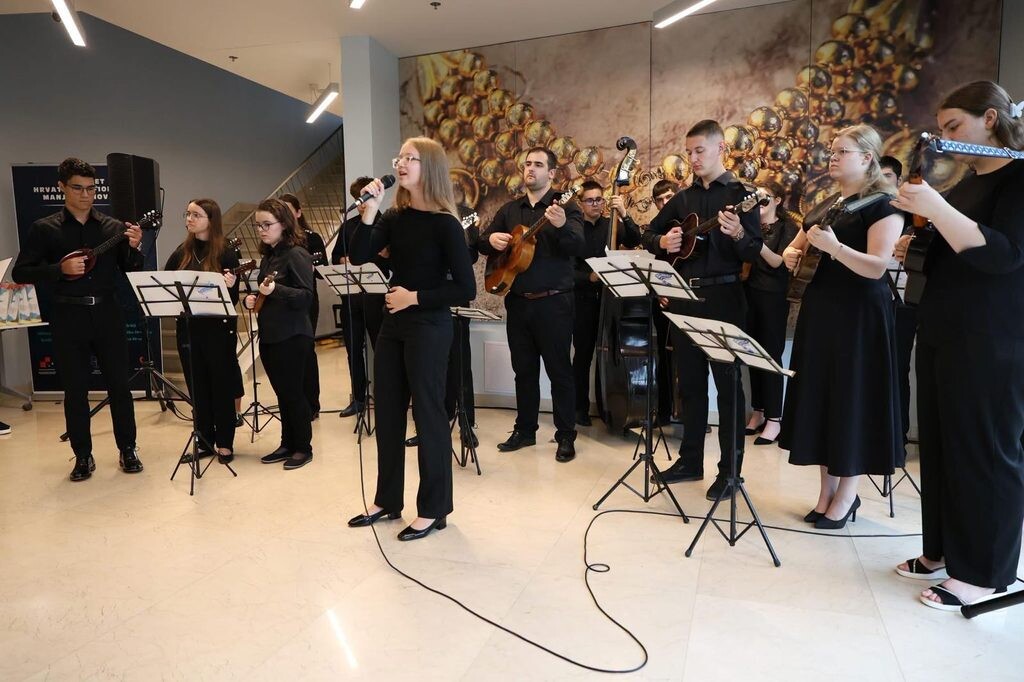
The meeting was also an opportunity to pay tribute to numerous Croatian associations, cultural and artistic societies and institutions in Serbia, whose dedicated work deserves special respect. From Subotica and Tavankut to Sombor, Monoštor and Syrmia, their members, with their enthusiasm and perseverance, preserve the Croatian language, customs and cultural heritage and pass them on to new generations.
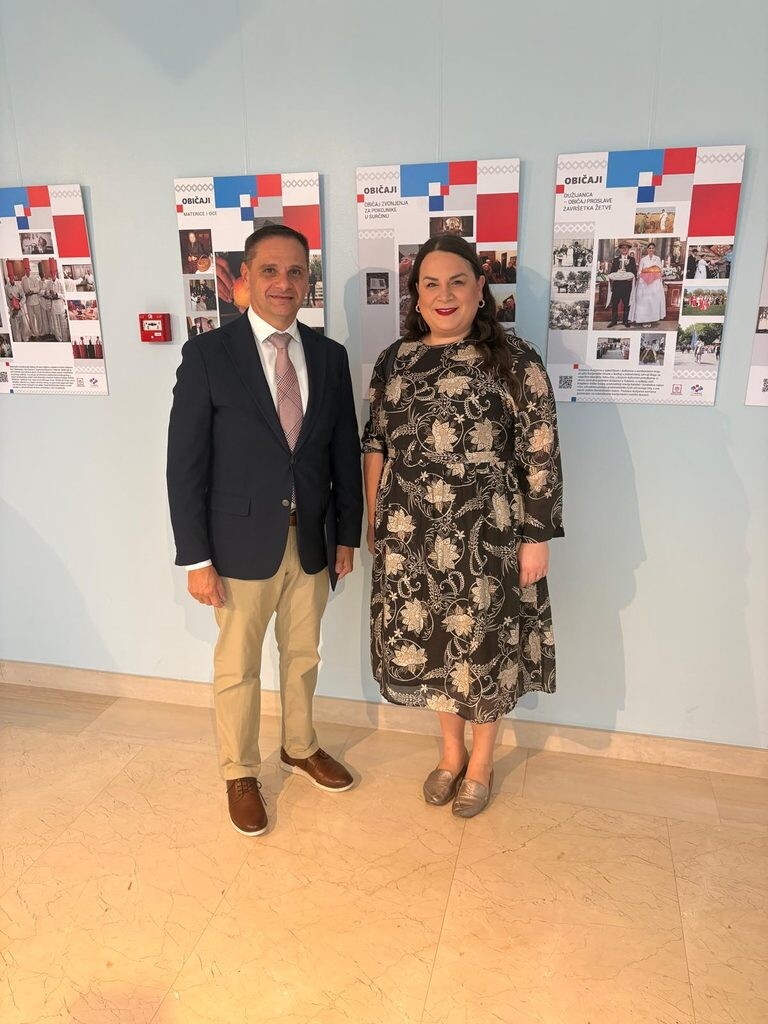
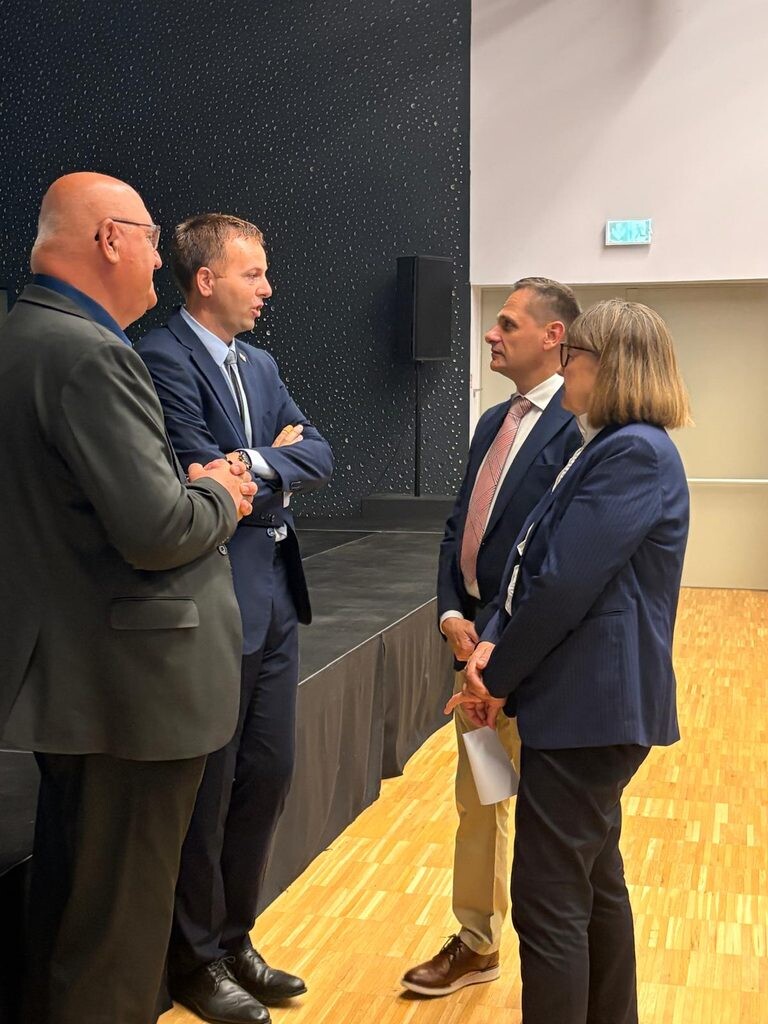
Credit goes out to the Institute for Migration Research, headed by Director Marina Perić Kaselj, Ph.D., for the successful organization of the Meeting, which, by linking professional and scientific discussions with a rich cultural and artistic program, contributed to becoming more familiar with the Croatian minority community in Serbia and its visibility in the homeland.
Croats in Serbia are an inseparable part of Croatia’s global unity. The Croatian Heritage Foundation will continue to support the preservation of their national identity, integration with the homeland and the development of new forms of cooperation.
Text: matis.hr